If you’ve ever come across videos with the hashtag #12-3-30 on TikTok, you know this trend promises an easy way to burn fat. The idea is simple: 30 minutes on a treadmill, walking three miles per hour at a 12% incline. Influencer-style success stories, like “I lost 30 pounds in a month,” helped the trend go viral. But now there’s scientific data to explain what’s really going on.
What the Science Says
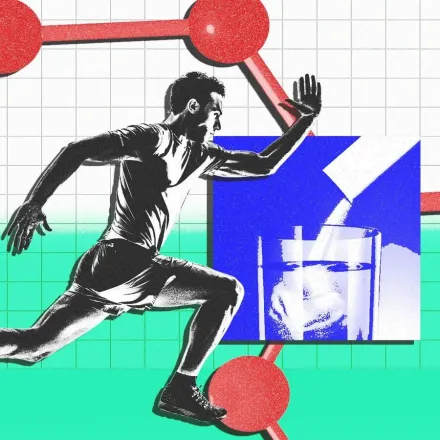
A recent study from the University of Nevada compared traditional running workouts with incline walking, like the 12-3-30 routine. Researchers matched the workouts for calorie expenditure to “compare apples to apples.” The result: while walking on an incline, the body uses a higher percentage of fat for fuel—about 40.6%—compared with roughly 33% during running.
At first glance, this might seem like a win for walking. But here’s the key point: a higher percentage of fat used doesn’t necessarily mean you’re burning more total fat.
The Key Takeaway
“Here’s where people get confused,” says Joe Ghafari, certified personal trainer and nutritionist. “Low- to moderate-intensity exercise, like incline walking, keeps you in the ‘fat-burning zone’ (zone two heart rate). But running burns more calories per minute—on average 13 versus 10 for incline walking. That means to burn the same amount of calories, you only need to run 23 minutes instead of 30 minutes of walking.”
In other words, if your goal is an overall calorie deficit and fat loss, running is still faster.
But Walking Still Works
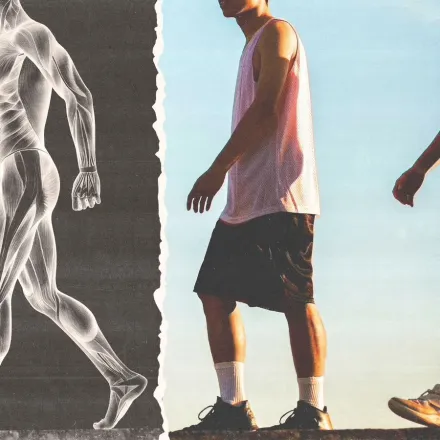
Walking also has benefits: it’s easier on the joints, lowers injury risk, and works well for people returning to exercise or building an aerobic base. “Incline walking builds a strong metabolic foundation without straining your knees or spine,” notes Dr. Cristina Del Toro Badessa.
How to Choose?
If you love running—run. With proper heart rate monitoring, you can stay in the fat-burning zone and get the same effect as the 12-3-30 workout.
If you don’t enjoy running or have joint issues—walk on an incline. 30 minutes at a moderate pace will deliver results and improve endurance.
The key is consistency. A workout you do repeatedly is more effective than a perfect workout done only once.
Conclusion
Fat burning is not just about exercise choice; it’s about maintaining a calorie deficit and enjoying the process. Running or incline walking? The answer is simple: do what you actually enjoy and can stick with consistently. That’s the secret to real results.