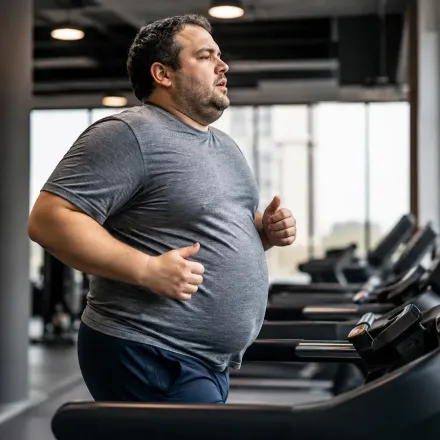
Evening workouts are a different story. It’s not just about hitting the gym and going through the motions—you need to adjust your nutrition properly to have energy, avoid overloading your stomach, and give your muscles what they need to grow. Eating chaotically leads to fatigue, slow progress, and sleep problems. Here’s a plan to make even late workouts work for you.
1. Don’t Skip Breakfast or Lunch
Stable energy in the evening starts with a solid day. Breakfast and lunch are your foundation. Oatmeal with berries and nuts, an omelet with vegetables and whole-grain bread, cottage cheese with honey and fruit, or a chicken sandwich will fuel you for the gym. Lunch? Chicken breast with rice and veggies, pasta with tuna, buckwheat with turkey, or beef stew. Key: balance protein, carbs, and healthy fats.
2. Pre-Workout Meals Should Be Light and Nutritious
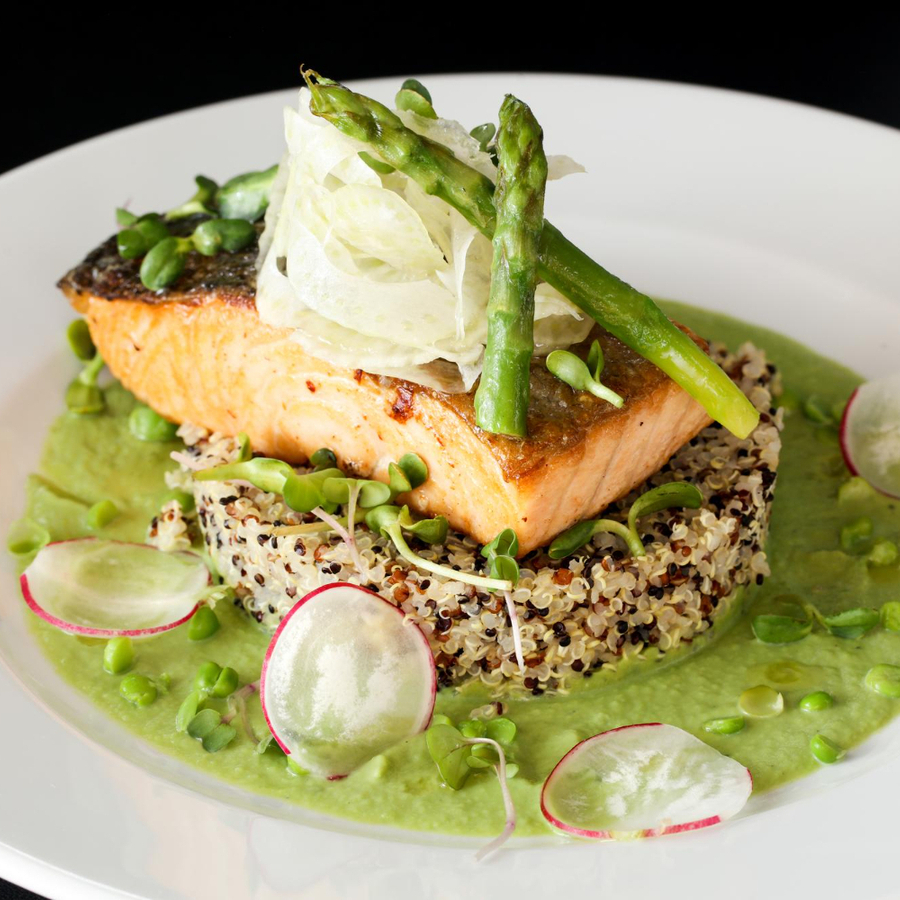
Heavy meals in the evening hurt your performance. Fatty meats, fast food, and sweets stress your digestive system and leave you sluggish. Better options: chicken fillet with veggies, baked fish with quinoa, steamed veggies with turkey, or cottage cheese with honey and fruit. Energy without a heavy stomach.
3. Snack 1–1.5 Hours Before Training
Even if lunch was filling, a light snack helps maintain blood sugar levels and prevents training on an empty stomach. Examples: banana with a spoon of peanut butter, Greek yogurt with berries, protein shake, whole-grain toast with avocado and egg, a handful of nuts with dried fruit. Skip chips, pastries, and candy bars—quick sugar gives only short-term energy and leaves you drained.
4. Eat After Training—It’s Essential
Skipping dinner after the gym damages muscles and doesn’t burn fat any faster. Within an hour after training: chicken or turkey with rice, omelet with vegetables, cottage cheese with fruit and nuts, or a milk/yogurt smoothie with berries. Protein repairs muscle fibers, fast carbs replenish energy stores.
5. Light Dinner and Good Sleep
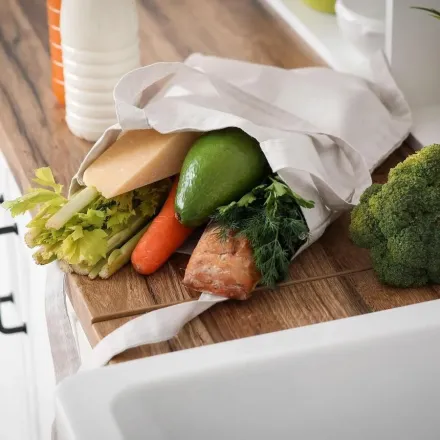
Even after training, don’t overload your stomach. Baked fish with vegetables, omelet with herbs, cottage cheese with berries and honey, vegetable salad with chicken, or baked broccoli with low-fat cheese—these meals satisfy without burdening your stomach. You’ll sleep well and recover faster.
6. Hydration—Your Secret Power
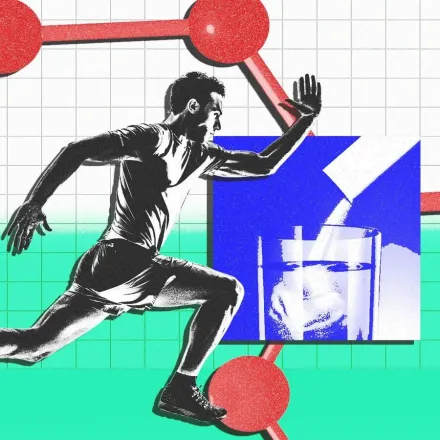
Drink water throughout the day. A glass before training and sips every 15–20 minutes during exercise maintain energy and muscle function. Sweating heavily or training intensely? Add a sports drink with electrolytes to restore balance.
7. Align Your Meals with Your Schedule
Consistency is key. Hearty lunch, light snack, small protein-rich dinner after training. If training earlier, dinner can be bigger and include carbs. This ensures steady energy without sudden hunger spikes.
8. Adjust Calories to Your Goal
Want to lose weight? Focus on protein, minimal fats, moderate carbs in the evening. Goal: light dinner with cottage cheese, fish, or vegetables. Trying to gain muscle? Include protein + carbs after training (rice, potatoes, whole-grain pasta). Dinner can be higher in calories, but avoid heavy fried foods.
9. Consider Food Absorption Speed
Heavy meat or fried potatoes before training cause sluggishness. Fast carbs 40 minutes before the gym give short bursts of energy. Combine wisely: 2–3 hours before—complex carbs + protein (buckwheat with chicken, pasta with tuna, omelet with veggies), right before—banana, dates, smoothie. After training—medium-digesting foods: chicken with vegetables, fish with rice, omelet with whole-grain bread.
10. Fats—Choose the Right Ones
Don’t fear fats in the evening: the right ones help hormone production, vitamin absorption, and joint health. Avoid fried foods, fast food, and trans fats. Use: nuts (a handful), avocado, olive or flaxseed oil, fatty fish with omega-3 (salmon, mackerel, sardines). A small amount of healthy fats in the evening ensures optimal sleep and recovery.