If you thought “maxxing” was just another trend for internet fans, think again: there’s one area that actually deserves attention. Meet **fibremaxxing**. And no, it’s not a gimmick — it’s simply about **eating more fiber**. Sometimes the simplest things are the most important.
What is Fibremaxxing?
Fibremaxxing literally means “maximizing fiber” in your diet. Sounds boring at first, but it’s really about your health — which can suffer if you don’t get enough fiber. According to the NHS, most adults consume less than half the recommended amount — 30 grams per day. The consequences? Constipation, gut problems, inflammation, and potential risks for your heart and brain.
“Fiber is something people barely talk about. It’s forgotten, but you can’t do without it,” says **Dana Ellis Hunnes, PhD, MPH, RD**, senior clinical dietitian at UCLA Health.
Why Fibremaxxing Matters
Fiber is the cell wall of plants. It’s barely digested, but it helps food move through your digestive system. You could say it’s **the vacuum cleaner of your gut**: removing toxins, preventing diverticula, supporting your microbiome, and reducing inflammation.
Besides gut health, fiber affects:
- Blood sugar stabilization
- Immune system support
- Focus and cognitive function
- Heart health
And yes, if you’re planning to lose weight in 2026, fiber is your ally. It keeps you full and helps you eat less, reducing your overall calorie intake.
Where to Find Fiber
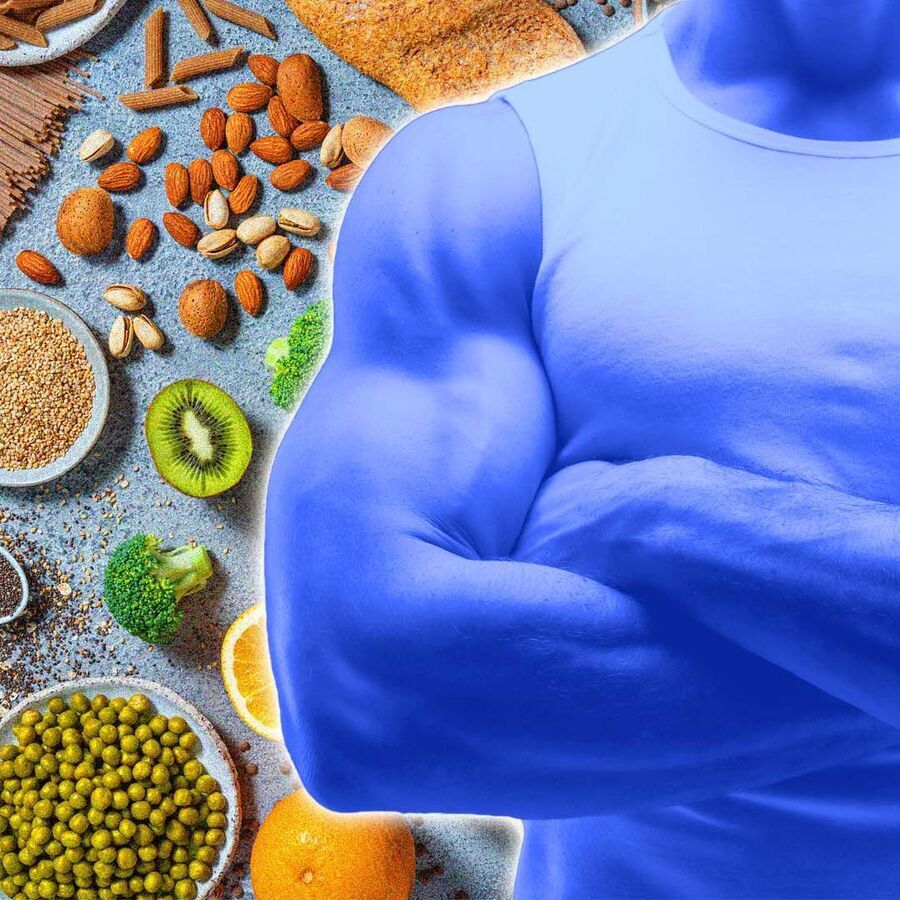
Almost all plant-based foods contain fiber, but some are especially effective:
- Beans — a top source of soluble fiber, cheap and convenient.
- Chia seeds, almonds, lentils, oats — easy to add to salads, smoothies, and meals.
Supplements are an option too, but it’s crucial to drink plenty of water, because synthetic fiber works differently from whole foods. Ideally, get fiber from whole foods, which also provide water, vitamins, and minerals.
How Much Fiber Do You Need?
- NHS recommended: 30 g per day
- Practical rule: 14 g of fiber per 1,000 calories
“Most people don’t even get half of that,” warns **Chris Mohr, PhD, RD**. “Both men and women are drastically under-consuming fiber.”
Can You Have Too Much Fiber?
There’s little risk if your fiber comes from natural foods and you drink enough water. Problems usually only happen if you overdo supplements without fluids.
Expert tip: increase fiber gradually. Don’t jump from 5 g to 50 g per day — let your gut adjust. Small steps, comfortable adaptation, and minimal side effects.
A minor side effect of fibremaxxing: gas. But if you go slowly, it won’t be a problem for you or anyone around you.
In 2026, the goal isn’t to chase every maxxing trend — it’s to set your body on a healthy rhythm. Fibremaxxing is a simple, proven, and effective habit that makes you stronger, more confident, and calmer. Start today — you’ll feel the difference in a month.