Being productive, getting everything done, and staying on top of your game sounds great. But there’s a fine line between efficiency and self-destruction. Ignoring fatigue turns a small problem into a serious crisis. Here are nine signs that you’ve been neglecting your body and it’s time to take a break.
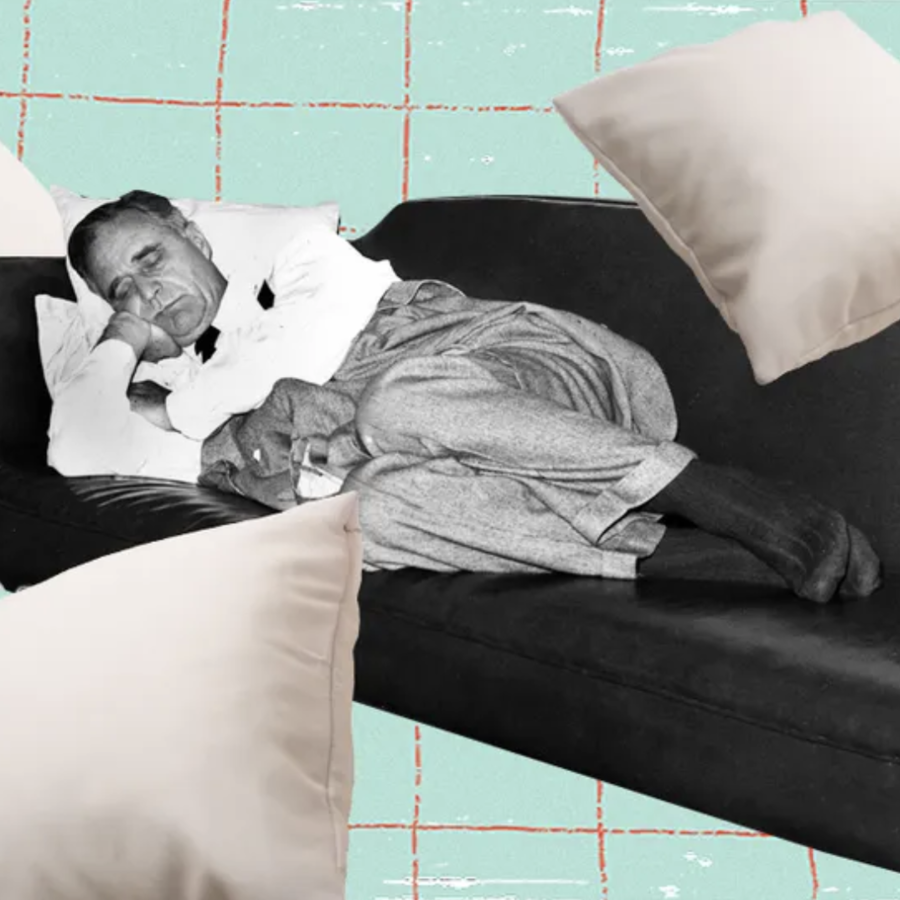
You Can’t Sleep Properly
After a long day, you’d think you’d collapse into bed and fall asleep immediately—but often that’s not the case. If your mind keeps racing, you wake up frequently at night, or have nightmares, it’s a sign your body is overloaded. Quantity of sleep can’t replace quality: no matter how long you sleep, fatigue persists.
Tip: Adjust your lifestyle, allow yourself proper rest, and create conditions for healthy sleep.
Routine Tasks Feel Harder
What used to take an hour now drags on for half a day? Your concentration drops, memory falters, and your thinking slows. This isn’t laziness—it’s chronic brain fatigue.
Tip: Break tasks into smaller steps, delegate, and don’t be afraid to ask for help.
Irritability and Emotional Instability
Do you notice yourself getting angry more often or losing patience over small things? Your nervous system is overloaded. Ignoring this can lead to serious mental health issues.
Tip: Practice mindfulness, take breaks, and step away from stressors.
Withdrawing from Social Interaction
Fatigue often shows up as social isolation. If you used to enjoy meeting friends or attending family events, but now avoid them at every opportunity, that’s a warning sign.
Tip: Stay connected with loved ones and share your thoughts and emotions. This helps restore energy and relieve tension.
Feeling Like You Don’t Have Time to Rest
If every minute of your life is filled with work or responsibilities, you’re ignoring your own needs. This lifestyle leads to emotional burnout and lower productivity.
Tip: Schedule breaks and rest just as strictly as your work tasks.
Neglecting Hobbies and Interests
Ignoring fatigue often leads to giving up activities that bring joy and energy. Hobbies are a key source of emotional recharge.
Tip: Reintroduce at least small pleasures that make you feel alive.
Overuse of Caffeine and Stimulants
Coffee, energy drinks, and stimulants give a short-term boost but drain your body in the long run. You may feel temporarily alert, but fatigue, anxiety, and sleep problems increase.
Tip: Address the root causes of your fatigue instead of masking it with stimulants.
Constant Procrastination
If even simple tasks feel overwhelming and keep getting postponed, it’s a sign of exhaustion. The more you delay, the higher the stress and the lower your productivity.
Tip: Analyze your schedule, eliminate unnecessary tasks, and free up time for rest and recovery.
Persistent Anxiety and Tension
Ignoring fatigue often leads to chronic stress. Your nervous system becomes overloaded, anxiety increases, focus decreases, and sleep suffers.
Tip: Do a full reset: rest, exercise, eat well, and pay attention to yourself. This helps restore energy and get back to a productive life without burnout.