There’s an idea that sounds especially appealing to any man who has finally decided to get back in shape: some foods supposedly require the body to burn more calories digesting them than they actually provide. In other words, you eat — and the calories apparently disappear. Almost like magic.
Unfortunately, the human body doesn’t work quite that much in our favor. But there is an interesting grain of truth in the idea: some foods are genuinely so low in calories and contain so much water and fiber that they can help with weight control. Calling them literally “negative-calorie foods,” however, isn’t entirely accurate.
So let’s take a closer look at what really happens to food after you eat it, which foods most often end up on the “negative calorie” list, and whether they can actually help you lose weight.
What Does “Negative Calories” Actually Mean?
The idea is simple: your body uses energy to chew, digest, absorb and process food. So, if those processes required more energy than the food itself contained, you would theoretically end up with a kind of calorie deficit.
Sounds great. Eat a cucumber — and suddenly you’re supposedly a little lighter. Add some celery — another bonus. And if you wash it all down with ice-cold water, you can almost imagine yourself as a highly efficient metabolic machine.
In reality, though, things are much less dramatic. “Negative calories” is more of a popular label than a precise scientific concept. With very rare exceptions, food still provides your body with energy. The difference is that some of that energy is used to process the food itself.
Your Body “Pays” for Food Too
After a meal, your body doesn’t simply stash the calories you’ve consumed in some imaginary warehouse. It has to break down nutrients, transport them, absorb them and put them to use. All of that requires energy.
This process is known as the thermic effect of food. On average, it accounts for roughly one-tenth of daily energy expenditure, although the exact figure depends on what’s actually on your plate.
Protein, for example, requires relatively more energy to digest and absorb. Fats and carbohydrates require less. Fiber is a different story altogether: a significant portion of it cannot be digested by human enzymes and continues on to the gut microbiota.
And this is where the popular idea of “negative calories” comes from. But there’s an important catch: the fact that your body spends energy processing food does not mean that a particular food automatically creates a calorie deficit.
Celery Can’t “Cancel Out” Pizza
This is where it’s worth stopping the most dangerous fantasy. If you’ve eaten a huge burger, fries and dessert, then added a few stalks of celery, your body isn’t going to open a spreadsheet and say, “All right, let’s subtract the burger.”
When it comes to losing weight, what matters is your overall energy balance. If you consistently consume more energy than you burn, your weight is likely to increase. If you burn more energy than you consume, your body starts using its stored reserves.
That’s why very low-calorie foods can be useful — not because they magically burn more calories than they contain, but because they allow you to eat a relatively large volume of food without consuming a huge number of calories.
Why Vegetables Really Do Help
Imagine two plates of roughly the same size. One contains a large serving of vegetable salad; the other contains a compact, calorie-dense snack. Visually, there may be plenty of food on both plates, but their energy content will be completely different.
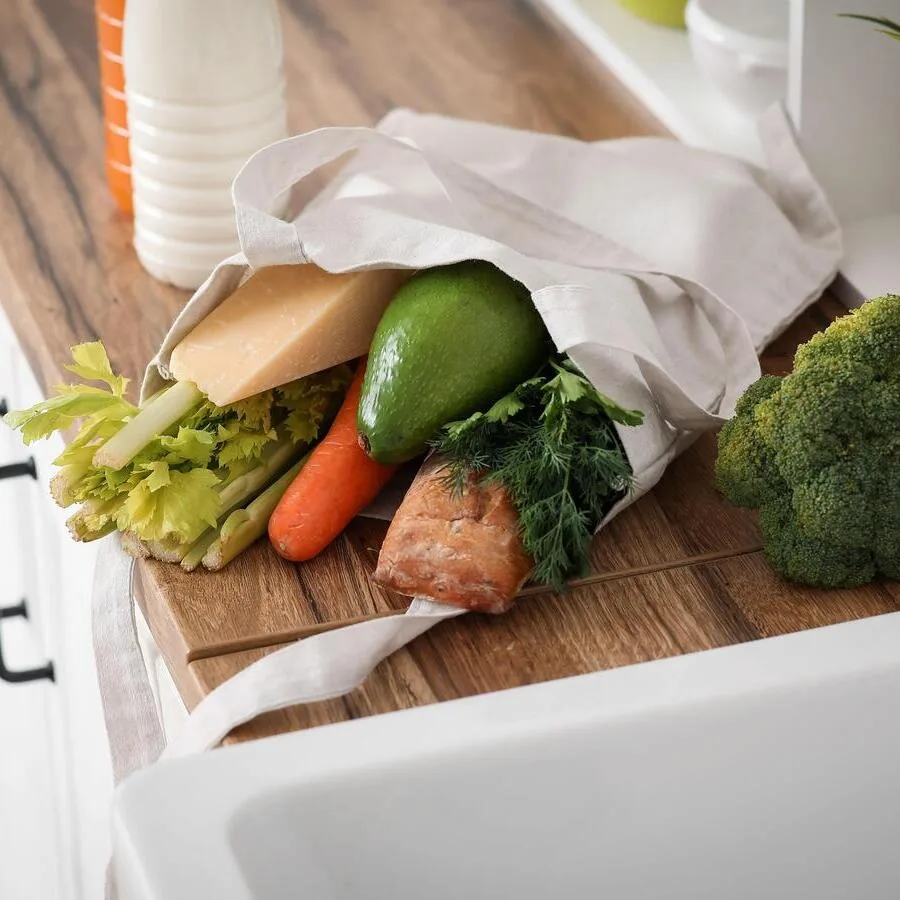
Vegetables, berries and some fruits often contain plenty of water and fiber. They add volume to your meals, can help you stay full for longer and, at the same time, don’t carry the same calorie load as many ultra-processed foods.
That’s why cucumbers, cabbage, zucchini, leafy greens, celery, berries and watermelon can be useful allies for anyone trying to keep their weight under control.
Which Foods Are Most Often Called “Negative-Calorie” Foods?
The list usually looks like something a particularly disciplined fitness trainer came up with after three cups of green tea.
Drinks
- water, including cold and mineral water;
- green tea and herbal tea without sugar;
- black tea without sugar;
- water with lemon or lime.
Fruit and Berries
- apples;
- raspberries;
- strawberries;
- blueberries;
- watermelon;
- lemon;
- grapefruit and other citrus fruits.
Vegetables and Greens
- celery;
- cabbage;
- cucumbers;
- iceberg lettuce;
- courgettes;
- zucchini;
- sweet peppers;
- asparagus;
- leaf lettuce.
It’s important, however, not to treat this list as a collection of foods that literally “burn calories.” A more accurate description would be foods with a low energy density.
What About Ice-Cold Water?
That’s another popular hack that sounds much more powerful than it actually is.
The logic goes like this: you drink cold water, and your body has to warm it up to body temperature. That requires a certain amount of energy. In theory — perfect.
In practice, the effect is so small that there’s simply no point in building a weight-loss strategy around it. For example, warming roughly 240 ml of very cold water may require only a few calories.
So if you drink a glass of ice-cold water expecting it to make up for yesterday’s pizza, your body probably won’t see things the same way.
Why “Eat and Lose Weight” Sounds So Appealing
Because the phrase contains everything we like: minimal effort, maximum results and no negotiations with our own willpower.
But real weight loss is usually much less glamorous. You don’t need to find a food that magically wipes out calories. It’s far more effective to make sure that most of your diet consists of foods that are filling without packing in excessive amounts of energy.
Vegetables can take up a substantial portion of your plate. Add a source of protein, some complex carbohydrates and healthy fats. That way, you won’t have to walk around hungry, dream about your refrigerator at three in the morning or end up hating the word “diet.”
The Main Secret Is Simple: Don’t Look for Magic
Don’t expect to find foods that literally give you negative calories simply because you eat them. What does exist are foods that can help make your overall diet lower in calories while still keeping you full.
And that’s a much more useful concept. A cucumber won’t burn off your lunch. Celery won’t erase dessert. Ice-cold water won’t turn your body into a fat-burning furnace.
But vegetables, berries, fruit, water and other low-calorie foods can help you control your appetite, increase the volume of your meals and make healthy eating more comfortable.
So if you want to lose weight, don’t look for food that “cheats” the laws of physics. Instead, choose foods that help you avoid overeating. It sounds less sensational, but it’s far more realistic.
And perhaps that’s the great paradox of healthy eating: the best results often don’t come from miracle foods, but from rather boring things — a balanced diet, moderation, movement and the habit of not turning every meal into a battle with your own refrigerator.