After an intense workout, your body needs time and the right nutrients to recover. A balanced diet can help repair muscle fibers, replenish energy stores, and ease post-exercise soreness. Certain foods and drinks can be particularly useful in supporting this process.
Protein: The Foundation of Muscle Recovery
Protein provides amino acids that the body uses to repair and build muscle tissue. That is why including high-quality protein sources in your post-workout meals is one of the most important ways to support recovery.
Eggs
Eggs contain complete protein, providing all the essential amino acids. They also supply vitamins and minerals involved in numerous bodily processes. An omelet, boiled eggs, or egg on toast can all make convenient post-workout meals.
Fatty Fish
Salmon, tuna, and mackerel are excellent sources of protein and omega-3 fatty acids. Two particularly important omega-3s are EPA and DHA, which are known for their anti-inflammatory properties. Including fatty fish in your diet may help support a healthy inflammatory response after exercise.
Cottage Cheese and Other Fresh Dairy Products
Cottage cheese and other protein-rich dairy products contain casein, a protein that is digested relatively slowly. They also provide leucine, an amino acid that plays an important role in muscle protein synthesis. These foods are a good choice for a light meal or snack after training.
Berries and Drinks That May Support Recovery
Some fruits and fruit juices contain antioxidants and plant compounds that help the body cope with the physical stress associated with exercise.
Montmorency Tart Cherry Juice
Montmorency tart cherries contain anthocyanins and other polyphenols. Some studies suggest that their juice may help reduce muscle soreness after intense exercise and support recovery. However, it is not a miracle cure and should not replace a balanced diet.
Watermelon
Watermelon contains plenty of water as well as L-citrulline, an amino acid involved in processes related to nitric oxide production and blood circulation. Its high water content can also help replenish fluids after exercise.
Pomegranate and Beetroot Juice
Pomegranates are rich in polyphenols, while beetroot contains naturally occurring nitrates. These compounds are being studied for their potential effects on circulation and physical performance. These juices can complement a balanced diet, although their effects vary from person to person.
Carbohydrates: Replenishing Energy After Exercise
During a workout, muscles use glycogen as a source of energy. After a demanding session, carbohydrates help replenish these stores and prepare the body for the next training session.
Sweet Potatoes
Sweet potatoes provide complex carbohydrates, fiber, and beta-carotene. They are a nutritious side dish and pair well with a source of protein in a post-workout meal.
Pumpkin
Pumpkin contains carbohydrates, fiber, and various micronutrients. It can be roasted, mashed, or served as a side dish with fish or meat.
Potatoes
Potatoes are an affordable and accessible source of carbohydrates and potassium. Whether boiled or baked, they can help replenish energy used during exercise and make a satisfying addition to a balanced meal.
Bananas
Bananas provide easily accessible carbohydrates and potassium, a mineral that plays an important role in muscle function. They are convenient to eat after a workout and pair well with yogurt or other protein-rich foods.
What to Eat After a Workout: Practical Meal Ideas
To support recovery, try combining protein and carbohydrates in the same meal. Here are a few simple ideas:
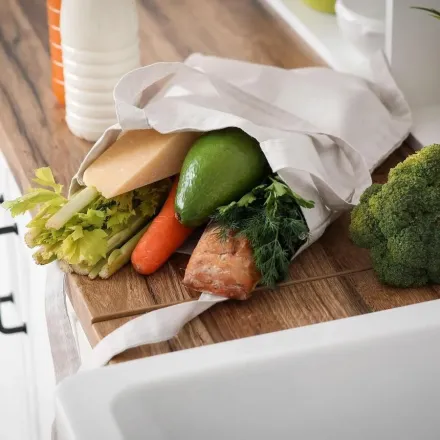
- An omelet with potatoes and vegetables.
- Baked salmon with sweet potatoes.
- Cottage cheese with a banana and berries.
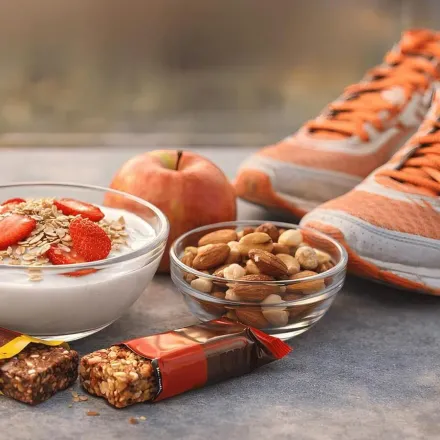
- Plain yogurt with fruit and a handful of nuts.
- Tuna with rice and a fresh vegetable salad.
Recovery Is About More Than Food
Even the most nutritious foods cannot make up for a lack of rest. For muscles to recover properly, it is important to stay hydrated, get enough sleep, and adjust workout intensity to your fitness level.
The key is to maintain a varied and balanced diet that provides enough protein, carbohydrates, healthy fats, and micronutrients. No single food can speed up muscle recovery on its own. The best results come from combining good nutrition with adequate rest and consistent training.