Running is one of the simplest ways to get in shape. No gym memberships, no waiting for equipment, and no need to listen to other people’s conversations between sets. You put on your running shoes, step outside, and you’re already doing something good for yourself. But there’s one catch: even the best running shoes won’t save you if your body decides it has run out of energy for the day.
That’s why, before heading out for a run, it’s worth thinking not only about your route and playlist but also about what you’re going to eat. What should you eat, when should you eat it, and which foods are best avoided so you don’t end up with a heavy stomach and the urge to call a taxi instead of beating your personal best? Let’s break it down without sports myths or complicated diet plans.
Why Eat Before Running at All?
Imagine your body is a car and your run is a road trip out of town. Sure, you can set off with an almost empty tank. But you probably shouldn’t expect a smooth journey.
When you run, your body uses energy, including its glycogen stores — carbohydrates stored in your muscles and liver. If your workout is intense or prolonged, having enough of these reserves available can affect your endurance and your ability to maintain your pace.
A small snack before you set off can help prevent hunger, weakness, and premature fatigue. This is particularly useful if you run in the morning, after going a long time without food, or when you’re planning a demanding workout.
But there’s another side to the story. If you eat a heavy meal right before heading out, your stomach may remind you of its presence throughout the entire run. Bloating, nausea, heartburn, and cramps are hardly ideal companions, even on a short jog.
The golden rule: Before running, the goal isn’t to eat as much as possible. It’s to give your body the right amount of energy at the right time.
When Should You Eat: Three Hours or Five Minutes Before the Start?
It depends on the size of your portion, the type of food, the intensity of your workout, and how your body responds. However, a few simple guidelines can help you avoid turning nutrition into a complicated sports science experiment.
2–3 Hours Before: A Full Meal
If you still have a few hours before your run, you can enjoy a proper meal. The best options are foods rich in carbohydrates, paired with a moderate amount of protein.
For example:
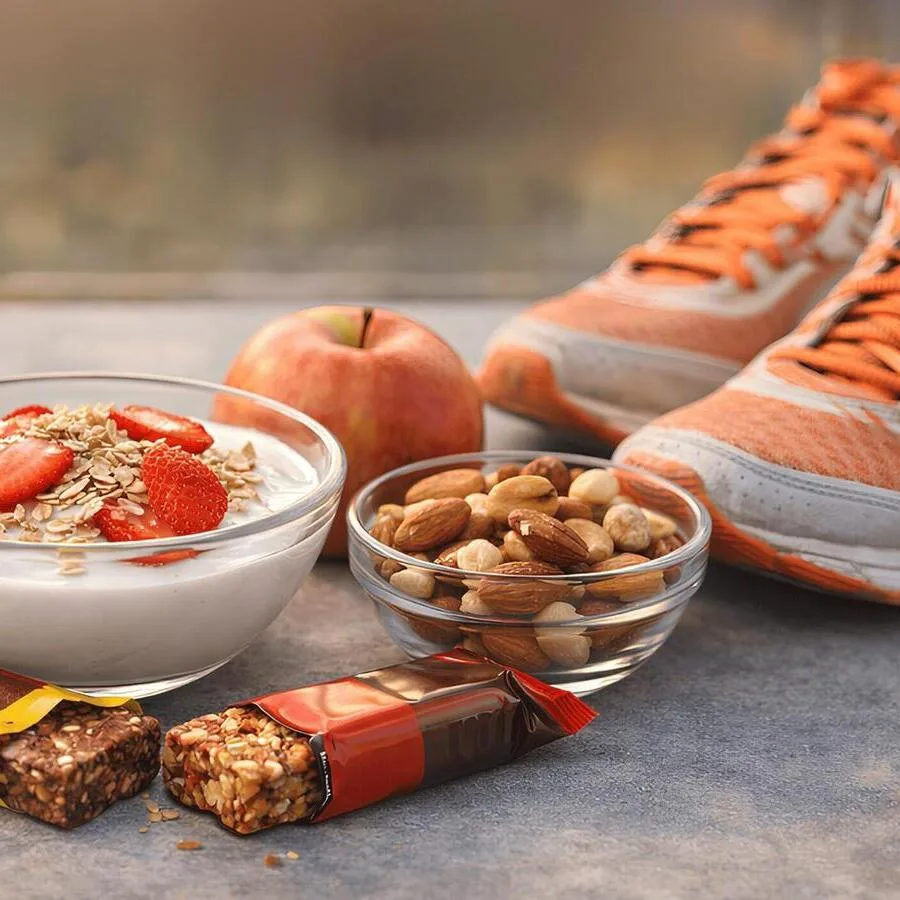
- oatmeal with berries;
- rice with chicken;
- pasta with lean meat;
- toast with an egg;
- yogurt with muesli, if you tolerate dairy products well.
A meal like this helps satisfy your hunger and provides your body with energy. Just don’t turn lunch into a feast: a large portion takes longer to digest comfortably.
30–60 Minutes Before: A Light Snack
If you have an hour before your run and your stomach is already hinting that it wouldn’t mind a little something, choose a light snack that is mainly made up of carbohydrates.
Here are a few good options:
A banana. A practical snack that’s easy to take with you. Bananas contain carbohydrates and potassium, and their texture and modest size make them a suitable choice for many people before a workout.
Toast with honey or jam. A simple way to get some carbohydrates without eating a large portion. It’s especially convenient when you’re short on time.
A few dates or some dried apricots. Dried fruit contains concentrated carbohydrates, so a small portion is usually enough.
A small glass of fruit juice or a fruit smoothie. A good alternative for people who find liquids more comfortable than solid food before running. Just avoid drinking too much at once, and pay attention to how your body responds to fruit-based drinks.
And remember: 30–60 minutes is only a general guideline. If even a banana makes you feel uncomfortable before running, try changing the timing of your snack or choosing a different food.
What Should You Eat Before a Morning Run?
Morning runs are a different story. You’ve only just woken up, your brain is still booting up, and your body is already expected to get moving. Do you absolutely have to eat breakfast before heading out?
If you’re planning a short, easy run and feel fine, some people can comfortably run without eating beforehand. However, fasted training isn’t suitable for everyone. If you experience weakness, dizziness, or intense hunger, don’t ignore those signals.
Before an intense or prolonged workout, a small carbohydrate-rich snack can be particularly helpful. This could be a banana, toast with honey, or another food you know you tolerate well.
After your run, make time for a proper breakfast containing carbohydrates and protein. For example, oatmeal with yogurt, eggs with toast, or cottage cheese with fruit can help you replenish your energy.
One more thing: Don’t experiment with unfamiliar foods on race day or before an important workout. It’s better to find out in advance which foods work for you.
Five Foods That Could Ruin Your Run
Something that tastes great at the dinner table isn’t necessarily a good choice before exercise, especially if you eat it right before heading out.
1. Fatty and fried foods. Burgers, French fries, and rich sauces can sit in your stomach for a long time and leave you feeling uncomfortably full.
2. Large portions of legumes. Beans, lentils, and chickpeas are nutritious, but a large amount of fibre before running can cause gas and bloating in some people.
3. A giant salad. Vegetables are good for you, but a large portion of raw vegetables immediately before a workout can put extra strain on your digestive system.
4. Spicy dishes. If spicy food sometimes gives you heartburn, it’s best not to find out right before a run whether exercise will make it worse.
5. Unfamiliar energy products. A new sports gel, an unfamiliar energy bar, or a drink containing a lot of caffeine can trigger an unexpected reaction. Try these products during an ordinary training session first, not before an important race.
It’s important to understand that there is no universal list of forbidden foods. If a particular food agrees with you, there’s no reason to eliminate it simply because you run.
Water Before a Run: How Much Should You Drink?
Even the perfect snack can’t make up for a lack of fluids. On the other hand, drinking a litre of water immediately before the start isn’t a great idea either: an overly full stomach can make running uncomfortable.
Drink regularly throughout the day and gradually meet your fluid needs before your workout. There’s no need to force yourself to drink as much as possible all at once.
For a short run lasting up to an hour, plain water is usually enough. During your workout, take into account your thirst, the weather, the intensity of the effort, and how you feel. Your fluid needs increase in hot weather and during longer runs.
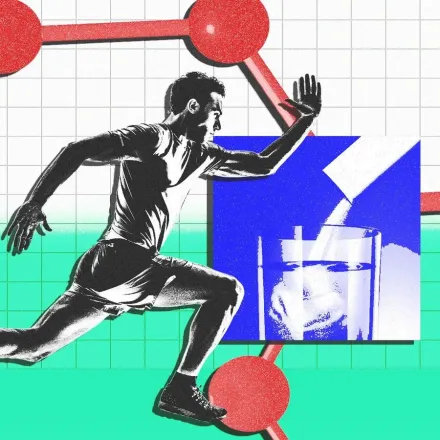
If you run for more than 60–90 minutes, sports drinks containing carbohydrates and electrolytes may be useful, particularly in hot weather. They help replace fluids and salts lost through sweating while providing additional energy. For a typical short run, however, an isotonic drink usually isn’t necessary.
Can You Run on an Empty Stomach to Lose Weight Faster?
This is one of the most common questions among people who want to lose a few pounds. During fasted exercise, your body may use a greater proportion of fat as an energy source. However, that doesn’t automatically mean you’ll lose more body fat in the long term.
Changes in body weight depend on your overall energy balance, training consistency, diet, and recovery. So don’t force yourself to run hungry if it makes your workout harder or leaves you feeling unwell.
If your goal is to lose weight, it’s better to focus on a sustainable routine you can maintain for months rather than constantly testing your endurance by skipping breakfast.
If you have diabetes, are prone to hypoglycaemia, or have another condition that affects your blood glucose levels, it’s best to discuss your pre-workout nutrition with a healthcare professional.
The Ideal Pre-Run Formula
You don’t need to buy expensive supplements, prepare complicated meals, or plan your eating schedule down to the second. For most recreational runners, it’s much simpler than that.
- 2–3 hours before: Have a balanced meal that isn’t too heavy and contains carbohydrates with a moderate amount of protein.
- 30–60 minutes before: Have a small, light snack if you’re hungry or have an intense workout ahead.
- Immediately before the start: Avoid overeating or drinking too much water in one go.
- During the run: Take the duration, weather, thirst, and your own condition into account.
- After your workout: Eat enough to replenish your energy and provide your body with protein.
The most important thing is to learn to listen to your body. For some people, a banana half an hour before the start is enough; others feel better after eating breakfast two hours beforehand. That’s perfectly normal: digestion, workout intensity, and energy needs vary from person to person.
Ultimately, a good run doesn’t begin with a miracle superfood. It starts with a simple plan: enough energy, a comfortable stomach, proper hydration, and an appropriate level of effort. And if you still don’t feel like running after eating the right snack, perhaps the banana isn’t the problem. Maybe today you simply need another alarm clock… or a rest day.