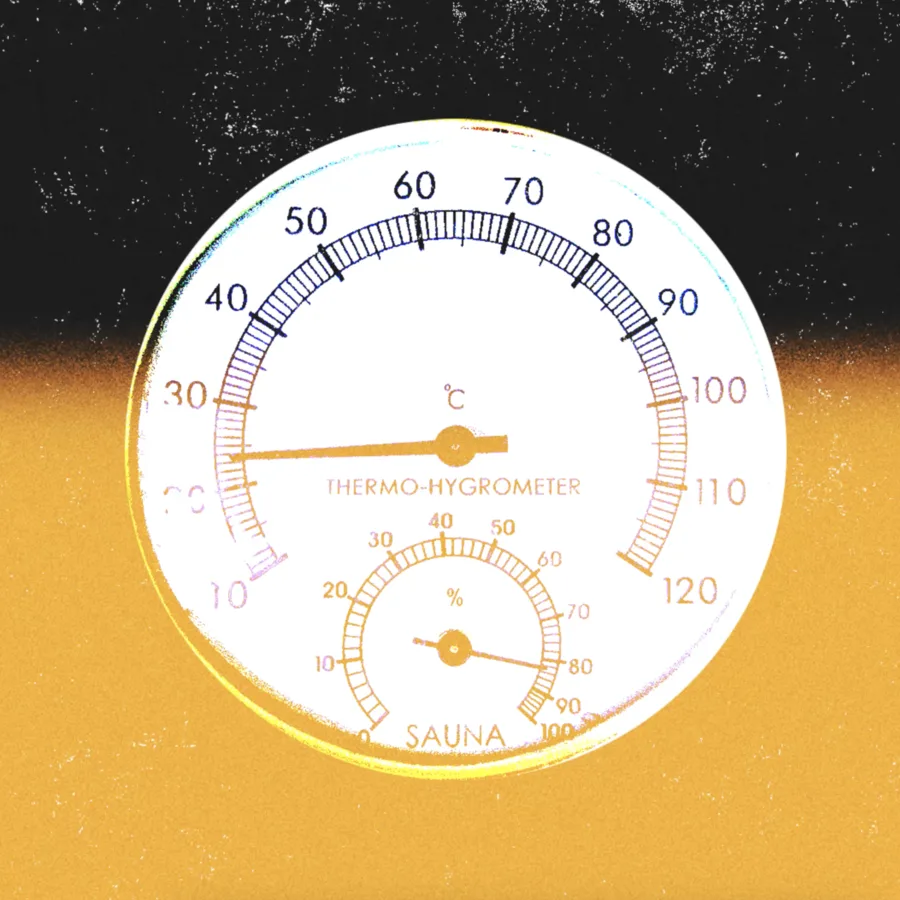
Saunas have long been associated with wellbeing, recovery and longevity. But today, there are two distinctly different options: the traditional sauna, with its intense heat and hot air, and the infrared sauna, which warms the body using infrared radiation at more moderate temperatures. Both promise health benefits, but which one really deserves a place in your routine?
Two Ways to Warm Up: What’s the Difference?
The main difference lies in how the heat is produced. In a traditional sauna, a heater warms the air inside the cabin, usually to around 70–100°C. Pouring water over the hot stones increases humidity and makes the heat feel even more intense.
An infrared sauna works differently. Its emitters produce infrared energy that warms the body directly, without having to raise the air temperature to the same level. As a result, the cabin usually stays between 40 and 60°C, which can feel more comfortable for people who struggle with extreme heat.
Traditional Sauna: A Serious Workout for Your Heart
The heat of a traditional sauna triggers a significant physiological response. Your heart rate increases, blood vessels widen, and the heart pumps more blood to help the body regulate its temperature. This creates a cardiovascular stimulus that, in some respects, resembles certain responses to moderate physical exercise.
Changes also occur in plasma volume and circulation. The stress placed on blood vessel walls by flowing blood, known as shear stress, may play a role in the mechanisms associated with vascular function.
Some observational studies have linked regular traditional sauna use with a lower risk of cardiovascular disease. However, these findings should be interpreted carefully: a statistical association does not, by itself, prove that sauna use directly causes better health.
Infrared Sauna: Gentler Heat for Recovery
An infrared sauna offers a different experience. Because the air temperature is lower, some people find it easier to stay inside comfortably. This can make it appealing after intense workouts or for anyone who prefers a less demanding form of heat exposure.
Helen Hanstock, a researcher at Mid Sweden University, has been involved in studies suggesting that relatively short infrared sauna sessions may offer potential benefits for muscle recovery after exercise. However, the evidence is still limited, and infrared saunas cannot yet be considered a universally proven way to speed up recovery.
Does Higher Temperature Mean Greater Benefits?
Not necessarily. Higher temperatures generally create a more intense heat stimulus, but that does not automatically make them better. The response depends on your physical condition, individual heat tolerance, session length and overall health.
The goal should not be to withstand as much heat as possible, but to find an exposure that is appropriate and safe for your body. If you leave a session feeling dizzy, weak or nauseous, you have not gained any extra health benefits by pushing yourself to stay longer.
What If You Only Have Access to an Infrared Sauna?
There is no reason to dismiss it. An infrared sauna can be a perfectly reasonable option if you find it more comfortable and want to make heat exposure part of your wellness routine.
However, do not try to raise the temperature of an infrared cabin to traditional sauna levels yourself. Always follow the manufacturer's instructions and start with short sessions. Once you understand how your body responds, you can gradually adjust the duration.
Leave the cabin if you experience dizziness, nausea, weakness or any other sign of discomfort. Staying hydrated is also important, particularly after prolonged sweating.
The Detox Myth: Does a Sauna Really Flush Out Toxins?
The idea that sweating helps the body eliminate large amounts of toxins is one of the most common claims in sauna marketing, particularly when it comes to infrared models. However, there is no strong scientific evidence that sauna sessions produce significant detoxification.
Sweating is primarily a mechanism for regulating body temperature. The liver and kidneys do most of the work when it comes to processing and eliminating waste products and potentially harmful substances.
It is therefore worth being sceptical of claims that present a sauna as a deep cleanse for the body or attribute therapeutic effects to infrared light that have not yet been adequately supported by scientific research.
Sauna as Preparation for a Hotter Future
Controlled exposure to heat can contribute to heat acclimatisation. Over time, the body may adapt and become better at tolerating certain hot conditions. This can be useful in some situations, particularly for people who exercise outdoors during warmer months.
But adaptation should not be confused with complete protection. Going to the sauna does not guarantee that you will avoid heatstroke, nor does it replace the precautions needed when temperatures rise.
How to Choose: A Practical Verdict
If you enjoy intense heat and are interested in the cardiovascular stimulus associated with traditional sauna use, a classic sauna may be a good choice, provided your health allows it.
If you prefer more moderate temperatures, find intense heat difficult to tolerate or want a more comfortable experience after training, an infrared sauna may fit your routine better.
Either way, a sauna should complement a healthy lifestyle, not replace physical activity, proper rest or a balanced diet. If you have cardiovascular disease, blood pressure problems or another relevant medical condition, consult a healthcare professional before making sauna sessions a regular habit. You should also avoid using a sauna after drinking alcohol.
The Bottom Line: The Best Sauna Is the One You Use Wisely
There is no universal winner. The traditional sauna provides a more intense heat stimulus and has a larger body of observational research exploring its potential cardiovascular benefits. The infrared sauna offers a gentler alternative that some people find more comfortable, while its possible effects on muscle recovery continue to be studied.
The right choice depends on your goals, heat tolerance and overall health. What matters most is moderation, paying attention to your body's signals and resisting the temptation to turn every session into an endurance contest. After all, you should walk out feeling better — not as though you have just lost a battle with a volcano.