B vitamins play an essential role in keeping the body functioning properly. They support energy production, nervous system function, metabolism, and cell renewal. For men who want to stay active, maintain their vitality, and look after their health, getting enough of these vitamins is particularly important.
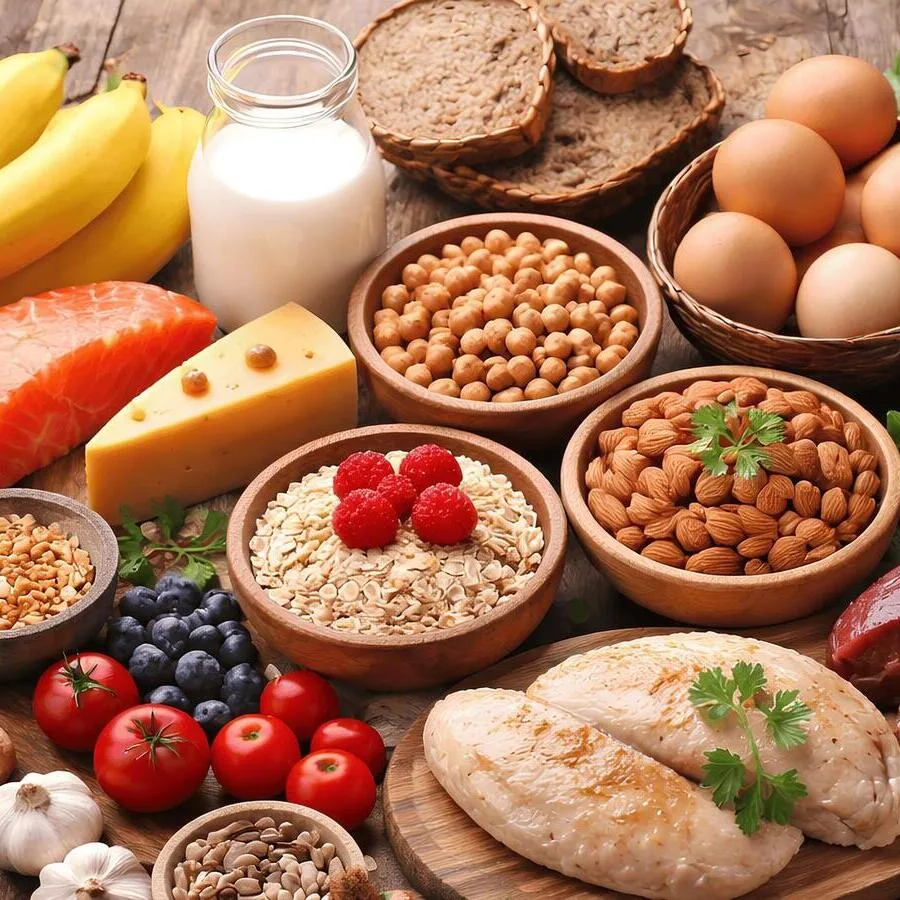
The good news is that you don't need exotic or expensive foods to get them. Many everyday ingredients are naturally rich in B vitamins. From sunflower seeds to seafood, here's a look at eight important vitamins and the best food sources to include in your diet.
Why Are B Vitamins Important for Men?
B vitamins help the body convert food into energy, support brain and nervous system function, and contribute to the production of red blood cells. Some also play a role in hormone synthesis and the metabolism of proteins, carbohydrates, and fats.
Getting enough of these nutrients is therefore important for maintaining energy levels and supporting the body's essential functions. Individual needs vary depending on age, lifestyle, and health status. A varied diet remains the best way to meet most daily nutritional requirements.
B1 — Thiamine: Make Room for Sunflower Seeds
Thiamine helps the body metabolize carbohydrates and supports normal nervous system function. It also helps the body use the energy supplied by food.
Good sources of vitamin B1 include sunflower seeds, pine nuts, pork, pistachios, and whole grains, particularly whole wheat and wheat bran. A handful of seeds makes an easy addition to breakfast or a convenient snack between meals.
B2 — Riboflavin: Eggs and Mushrooms Take Center Stage
Riboflavin is involved in energy production and helps protect cells from oxidative stress. It also contributes to maintaining normal vision and healthy skin.
You can find it in liver, mushrooms, eggs, cheese and other dairy products, as well as almonds. Adding eggs to breakfast or mushrooms to a main course is a simple way to make your diet more varied.
B3 — Niacin: Fish and Poultry Are Excellent Choices
Vitamin B3 supports normal energy metabolism and nervous system function. It also contributes to maintaining healthy skin and mucous membranes.
Peanuts, tuna, salmon, chicken and turkey breast, liver, and various seeds are all good sources of niacin. Fish and poultry are particularly easy to incorporate into balanced meals.
B5 — Pantothenic Acid: A Vitamin Found in Many Foods
Pantothenic acid is involved in the synthesis and metabolism of important substances, including steroid hormones and certain neurotransmitters. It also helps the body release energy from food.
Liver, mushrooms such as shiitake and button mushrooms, egg yolks, seeds, and avocados are good sources of vitamin B5. This variety makes it easy to include the vitamin in many different dishes.
B6 — Pyridoxine: Pistachios, Garlic, and Salmon
Vitamin B6 plays a role in protein metabolism, red blood cell formation, and normal immune system function. It also contributes to the regulation of hormonal activity and supports the normal functioning of the nervous system.
Good sources include pistachios, garlic, liver, salmon, tuna, and various seeds. A diet that combines fish, vegetables, nuts, and whole grains can provide vitamin B6 from a range of food sources.
B7 — Biotin: Don't Overlook Egg Yolks and Nuts
Biotin is involved in the metabolism of carbohydrates, fats, and proteins. It also helps maintain normal hair and skin.
Foods that contain biotin include liver, egg yolks, almonds, walnuts, soybeans, legumes, and yeast. Since biotin is found in a variety of foods, a balanced diet will generally provide enough to meet the body's needs.
B9 — Folate: Green Vegetables Deserve a Place on Your Plate
Folate is essential for cell division and contributes to normal blood formation. It is particularly important during periods of rapid cell renewal.
Liver, spinach and other leafy greens, lentils, chickpeas, beans, asparagus, and broccoli are all good sources of vitamin B9. To get enough regularly, try including green vegetables and legumes in your meals.
B12 — Cobalamin: Mussels and Other Animal-Based Foods
Vitamin B12 supports normal nervous system function, red blood cell formation, and energy metabolism. It is also essential for DNA synthesis.
It is found mainly in animal-based foods, including liver, mussels and other shellfish, mackerel, herring, beef, dairy products, and eggs. People following a vegan diet should pay particular attention to their B12 intake and make sure they have a reliable source, often in the form of a supplement.
Can B Vitamins Be Taken Together?
Yes. B vitamins naturally occur together in many foods and contribute to interconnected metabolic processes. A varied diet therefore allows you to consume them together without having to plan specific combinations.
However, it is important to distinguish between vitamins obtained from food and high-dose supplements. Taking several supplements without professional advice is not necessarily beneficial. High doses of certain vitamins, particularly B6, can cause unwanted side effects. It is also advisable to consult a healthcare professional before combining multiple supplements or taking large doses of vitamins.
How to Build a Diet Rich in B Vitamins
A few simple habits are often enough to make your intake of these vitamins more varied:
- Add sunflower seeds or nuts to your breakfast or snacks.
- Choose whole grains instead of refined grain products.
- Include eggs, mushrooms, and leafy greens in your meals regularly.
- Rotate your protein sources: fish, poultry, meat, legumes, and dairy products.
- Enjoy seafood from time to time, especially mussels, if you like them.
The vitamin content of foods can vary depending on the product, its origin, freshness, and preparation method. The goal is not to calculate every milligram, but to focus on a varied and balanced diet.
B vitamins are not a magic solution that will restore your energy overnight. Nevertheless, they are an important part of a diet that supports the body's normal functions. By including a variety of foods in your meals, you can meet a large proportion of your nutritional needs while enjoying dishes that are both delicious and nourishing.