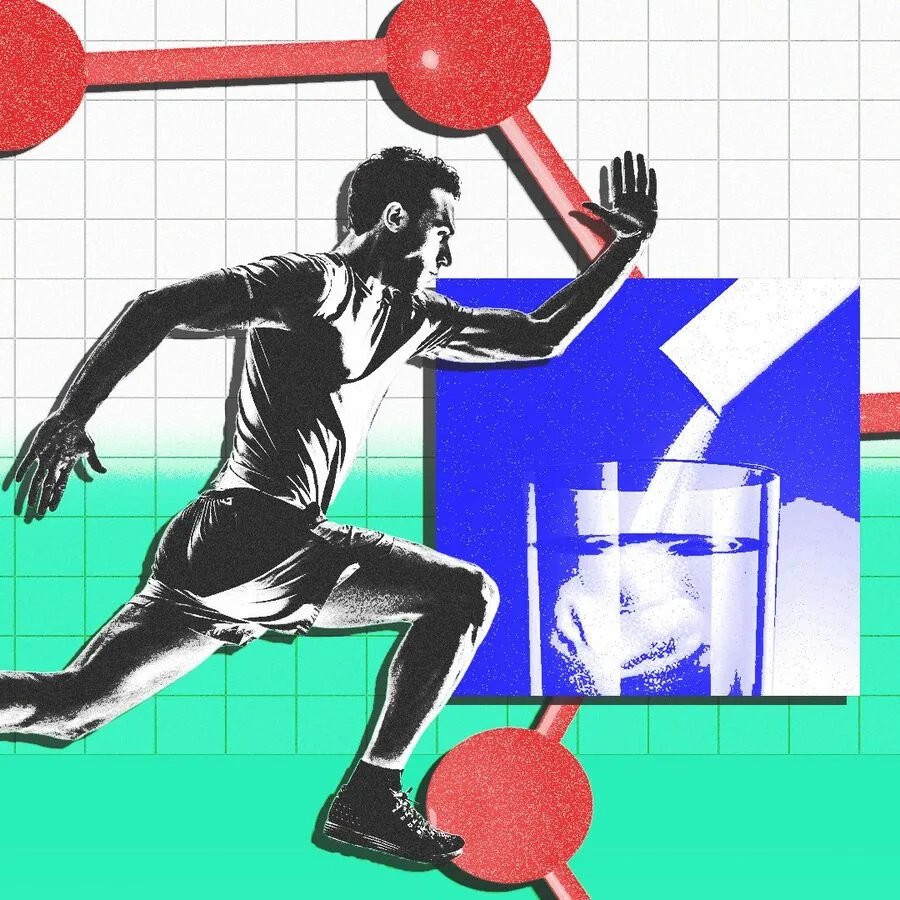
For years, electrolytes were associated with fitness fanatics, marathon runners and people carrying suspiciously large water bottles everywhere they went. You could easily assume they were reserved for those who spend more time in the gym than in their own bed. But in recent years, electrolyte drinks and powders have become a full-blown lifestyle trend.
People drink them after workouts, on hot days, after a night out and sometimes simply instead of water. The marketing promises more energy, faster recovery and “super hydration.” But where does the real benefit end and perfectly packaged hype begin?
Here’s what electrolytes actually do, who can benefit from them and why, sometimes, plain water and a decent meal are still the better choice.
What Exactly Are Electrolytes?
Electrolytes are minerals that are essential for the body to function normally. The most important ones include sodium, potassium, magnesium and calcium.
They help regulate fluid balance, support the nervous system, assist muscle contractions, help maintain normal blood pressure and take part in countless chemical processes that keep the body running.
When these minerals dissolve in water, they form electrically charged particles known as ions. These ions allow cells to transmit electrical signals, helping the nervous system control movement, the heartbeat and muscle activity.
It may sound highly technical, but electrolytes don’t have to come from a brightly colored sports drink. Bananas, yogurt, nuts, leafy greens and fortified plant-based drinks can all provide important minerals.
Do Electrolytes Actually Give You Energy?
Here’s an important distinction: electrolytes are not an energy source. They don’t contain calories that your body can directly turn into energy.
What they can do is help the body’s systems work properly. If you sweat heavily and lose significant amounts of sodium and fluid, you may experience fatigue, headaches, difficulty concentrating or a drop in physical performance.
That’s why you may feel more alert and capable after drinking an electrolyte beverage. But it isn’t a magical energy boost. In most cases, you’re simply replacing what your body lost: fluids and minerals.
When Might Water Not Be Enough?
For everyday life, water is usually the simplest and perfectly adequate way to stay hydrated.
The situation can change when your body loses large amounts of fluid and minerals — especially during long or intense exercise, and particularly in hot conditions.
Electrolytes may be useful if:
- you exercise for longer than 60–90 minutes;
- you do intense physical activity in hot or humid weather;
- you have several training sessions in the same day;
- you sweat heavily;
- you are recovering from vomiting or diarrhea and have lost significant amounts of fluid and minerals.
One interesting factor is how much salt you personally lose through sweat. It can vary considerably from one person to another. If you regularly notice white salt marks on dark workout clothes after exercising, it may be a sign that you lose a relatively large amount of sodium through sweat.
Heat can make the situation even more significant. High temperatures and humidity can increase sweating — and therefore increase the loss of both water and electrolytes.
What Do Electrolytes Actually Do in the Body?
They Help Maintain Fluid Balance
Sodium and other electrolytes help the body distribute fluids properly. This becomes especially important when you’re sweating heavily.
Fluid balance affects blood volume and, consequently, blood pressure. Too much or too little fluid can disrupt this delicate balance.
They Support the Nervous System
The nervous system communicates with the rest of the body through electrical signals. Electrolytes are involved in creating and transmitting those signals.
That’s why they aren’t relevant only to runners and bodybuilders. Heartbeats, reflexes, movement and the transmission of nerve impulses all depend on the complex electrochemical activity of our cells.
They Help Your Muscles Contract Properly
Muscles also depend on a balanced supply of electrolytes. When that balance is disrupted, communication between nerves and muscles can become less efficient, potentially contributing to weakness or muscle cramps.
However, don’t assume that every cramp automatically means you’re deficient in magnesium or sodium. Muscle cramps can have many different causes, and an electrolyte drink isn’t a universal cure.
Electrolytes or an Energy Drink?
The two often sit next to each other on store shelves, but they serve very different purposes.
An electrolyte drink is primarily designed to replace fluids and minerals. Energy drinks, on the other hand, typically rely on caffeine, sugar or other stimulants to create a feeling of alertness and energy.
If you’ve spent two hours training in intense heat and feel completely drained, you don’t necessarily need a shot of caffeine. And if you simply slept badly before an early-morning meeting, electrolytes won’t magically turn you into someone who got eight hours of sleep.
Each type of drink has its own job.
What Happens If You Overdo It?
More isn’t automatically better. That rule applies to electrolytes, too.
Excessive sodium intake can negatively affect blood pressure and the cardiovascular system. On the other hand, drinking huge amounts of plain water during extremely long periods of exercise without replacing enough sodium can lead to dangerously low blood sodium levels, a condition known as hyponatremia.
That’s why extremes should be avoided during prolonged physical activity. The goal isn’t to consume as much water or as many electrolytes as possible. The goal is to maintain the right balance.
How Do You Know If You Actually Need Electrolytes?
Start with the simplest thing: listen to your body.
Thirst, urine color, how much you sweat and how you feel after physical activity can tell you more than flashy advertising for a sports drink ever will.
If you exercise moderately, eat a normal diet, don’t spend hours training in extreme heat and drink enough water throughout the day, you may not need electrolyte supplements at all.
After a long run, a hard workout in hot weather or a significant loss of fluids, however, the situation can be very different.
How to Choose an Electrolyte Drink
If you want to add electrolytes to your routine, don’t simply grab the first bottle or tub labeled “Hydration” because the packaging looks impressive.
Check the nutrition label. Pay attention to how much sodium, potassium and magnesium are actually included per serving. As a rough reference, products intended for recovery after demanding physical activity may contain around 200–800 mg of sodium, 400–600 mg of potassium and 100–200 mg of magnesium per serving.
These numbers are not universal daily recommendations. Your actual needs depend on the duration and intensity of exercise, temperature, sweat rate, diet and overall health.
Choose products from reputable manufacturers, read the label carefully and avoid formulas loaded with extremely high mineral doses or long lists of unnecessary additives.
Do You Need Electrolytes After a Night Out?
This may be the question that gets more people interested in electrolytes than anything else.
Alcohol can contribute to fluid loss, while that awful feeling the next morning is usually linked to a combination of dehydration, disrupted sleep and other physiological effects.
An electrolyte drink may help replace fluids and some minerals. But it isn’t an antidote to alcohol and won’t simply erase the consequences of a heavy night.
The best strategy is much less glamorous: drink responsibly, eat something, have some water, get some sleep and give your body time.
The Golden Rule: Don’t Turn Electrolytes Into a Religion
It’s easy to fall into the trap of fitness marketing. A colorful powder, a stylish bottle and a promise of “maximum hydration” can suddenly make plain water seem almost too boring to be effective.
But your body doesn’t need complicated solutions when simple ones already do the job.
Electrolytes are genuinely important. They help maintain fluid balance and support the nervous system and muscle function. For people who train hard for long periods, sweat heavily or lose significant amounts of fluid due to illness, they can be extremely useful.
But if your typical day consists of commuting to work, a few meetings, several cups of coffee and a 45-minute workout, you don’t automatically need to drink liters of electrolytes just because fitness influencers do.
Sometimes the best “hydration hack” is much less exciting: drink water, eat properly and get enough sleep.
If you have a chronic medical condition, kidney or heart problems, high blood pressure, or take medications, talk to your doctor before regularly using electrolyte supplements.