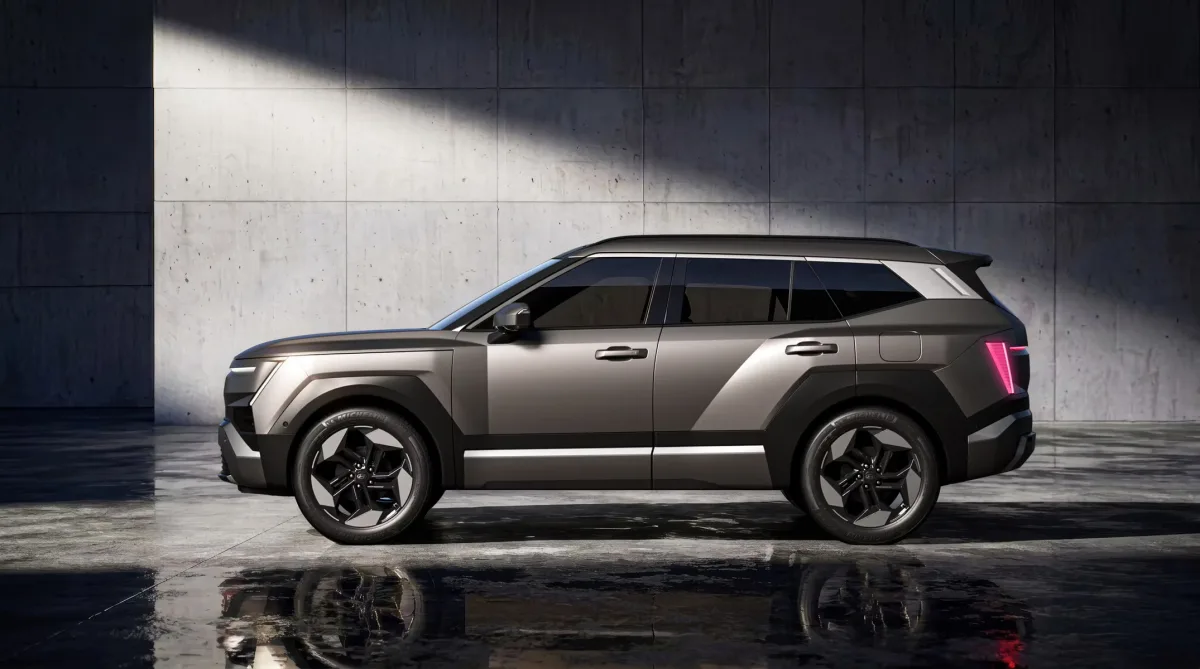
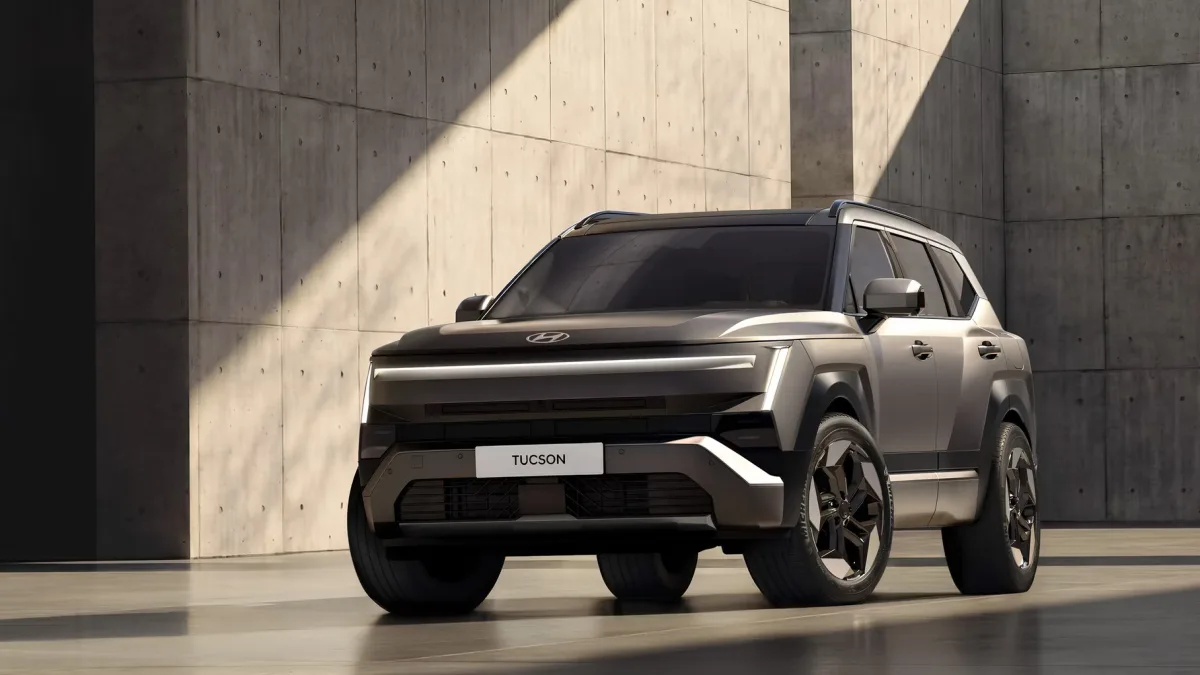
The new Hyundai Tucson is no longer trying to be just another family SUV. Instead, it wants to look equally at home outside a downtown skyscraper, carving through a mountain pass, or parked outside a football stadium. And this time, Hyundai appears to have created one of the most exciting automotive premieres of the year.
Hyundai has officially unveiled the all-new Tucson in South Korea. The crossover arrives with a dramatically redesigned exterior, a modern cabin built around a new digital architecture, and several features that were previously reserved for much more expensive vehicles. If the previous Tucson was a bold experiment, the new generation is making a serious bid to become one of the defining SUVs of the coming years.
“Art of Steel”: A Design That Stands Apart
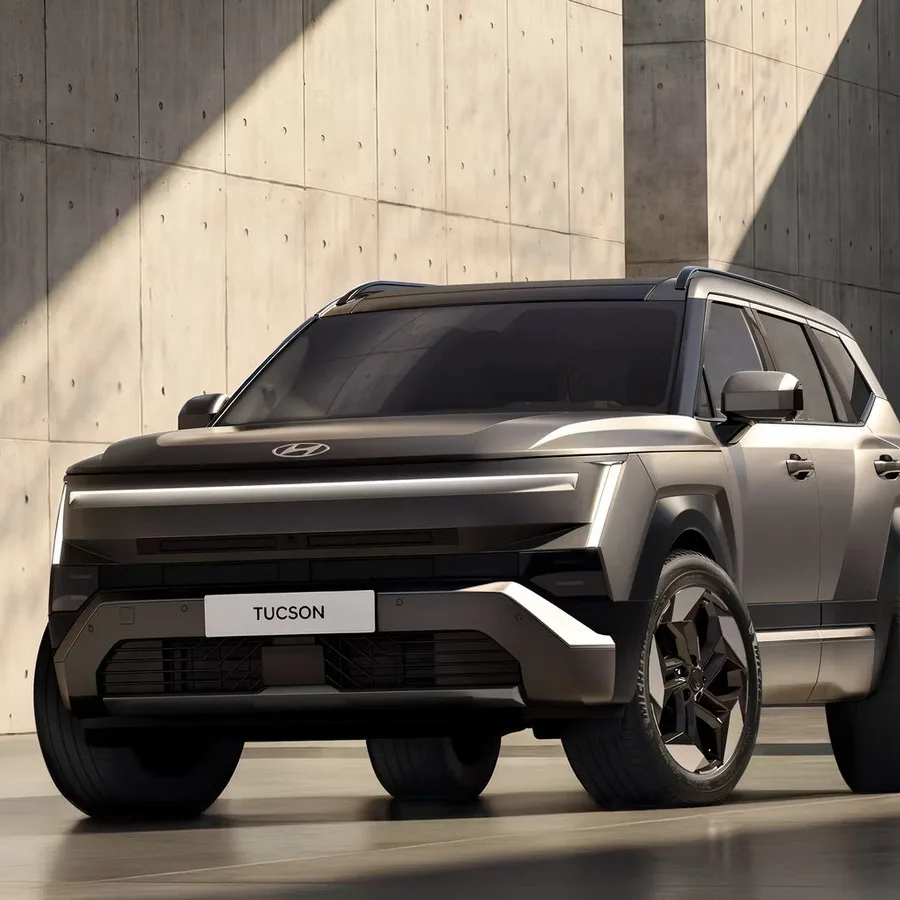
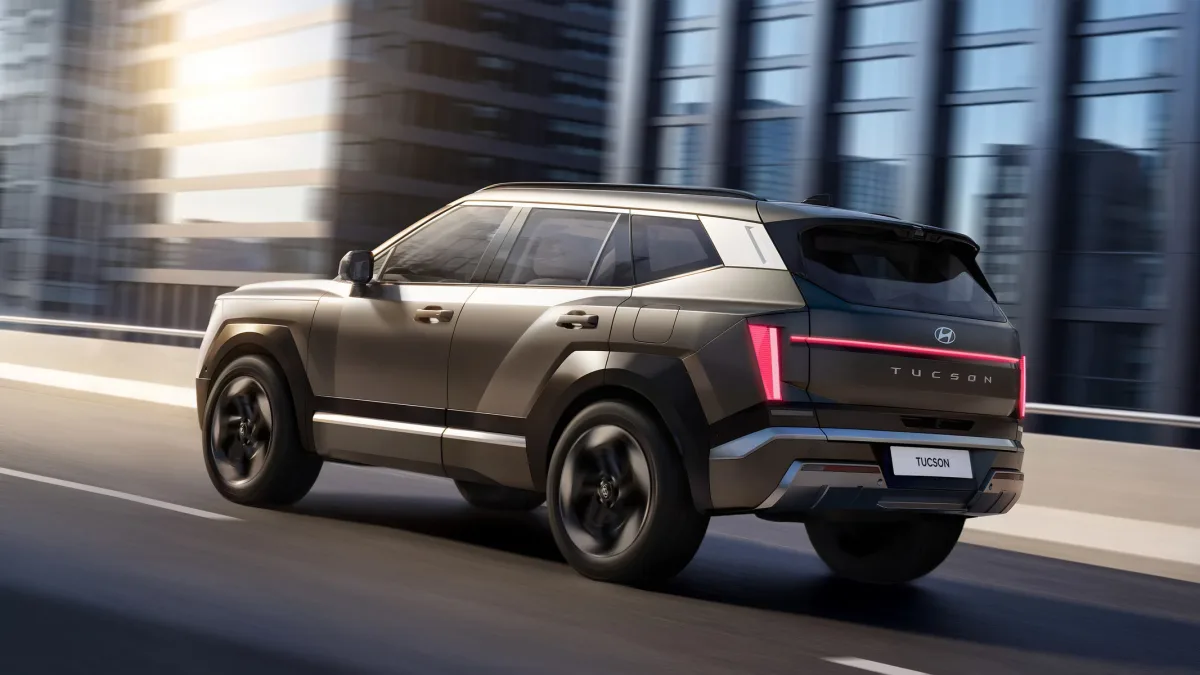
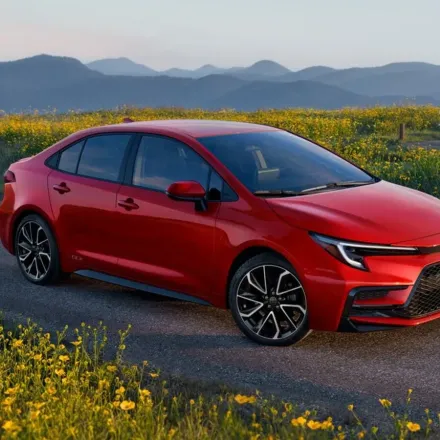
Hyundai continues to evolve its signature design philosophy, Art of Steel. The new Tucson is one of the clearest expressions of that vision.
Gone are the flowing curves. In their place come sharp geometry, clean surfaces, and a muscular body defined by crisp lines. The SUV looks as though it has been sculpted from a single block of steel.
Key styling highlights include:
- rectangular LED lighting;
- wide, sporty front and rear bumpers;
- bold sculpted side panels;
- pronounced wheel arches;
- a more upright, commanding front end.
The result is a Tucson that looks more mature, more aggressive, and noticeably more premium than its predecessor.
Bigger in Every Important Dimension
And it’s not just about appearance.
The new Tucson has grown in almost every direction:
- Length: 4,700 mm
- Width: 1,905 mm
- Height: 1,685 mm
- Wheelbase: 2,785 mm
That means more room for passengers, greater cargo capacity, and proportions that move Tucson closer to larger, more upscale SUVs.
The Cabin No Longer Feels Like a Spaceship — And That’s a Good Thing
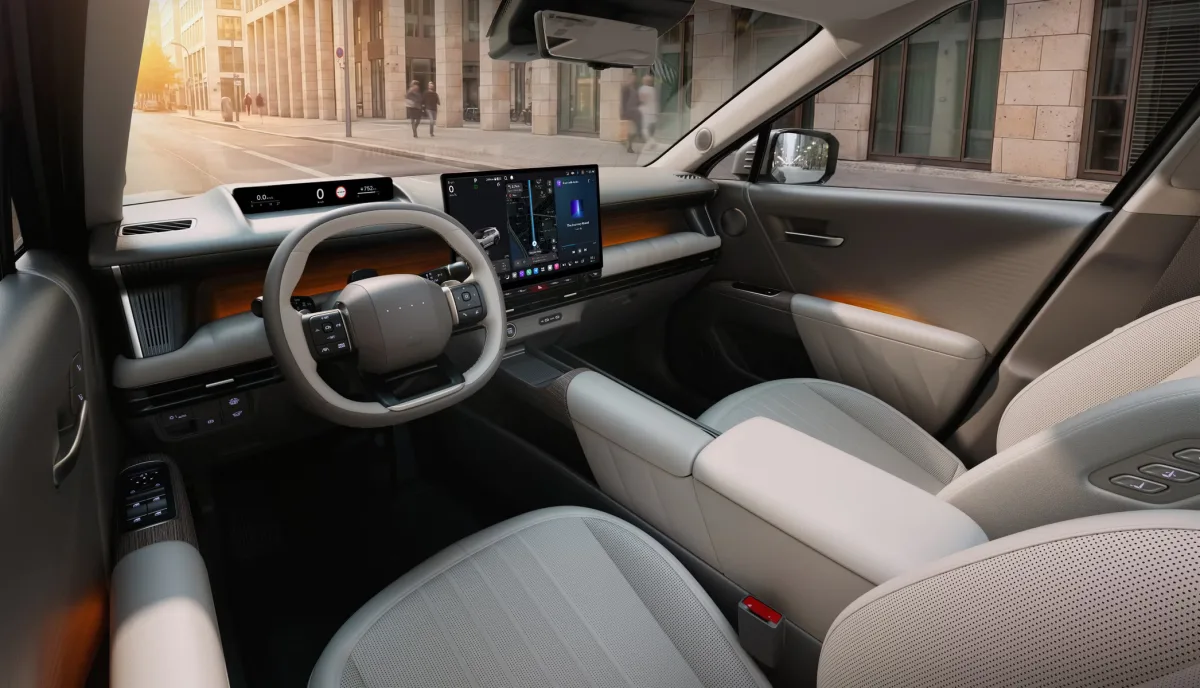
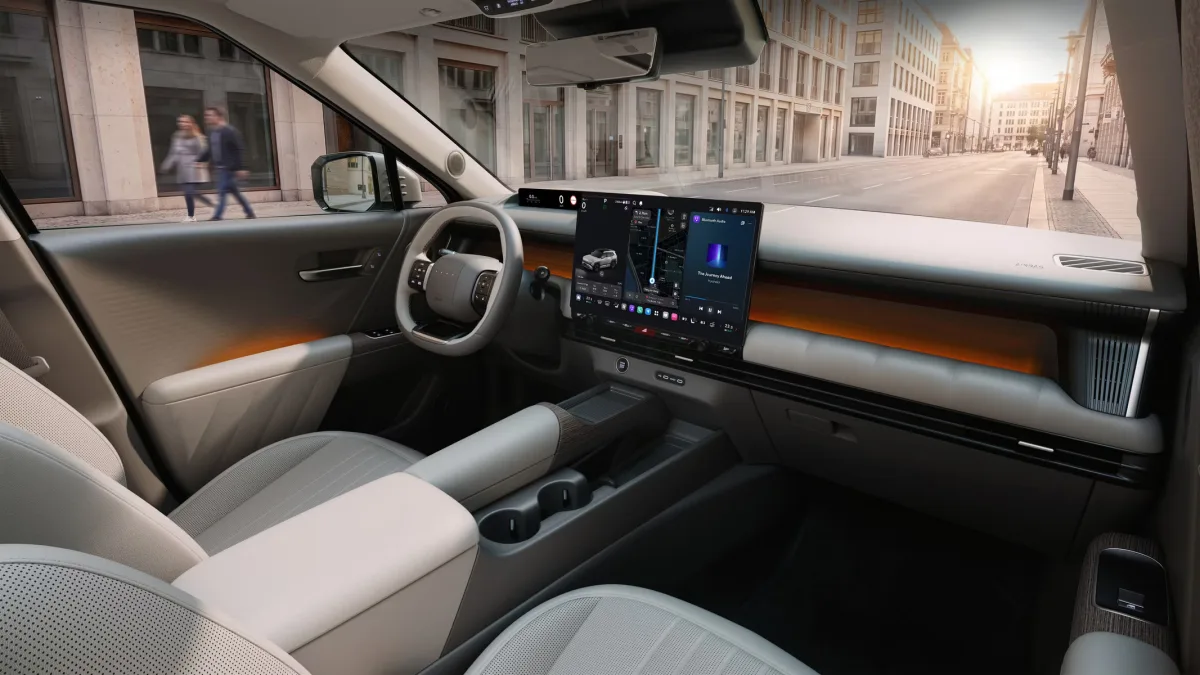
The previous Tucson centered its interior around one giant connected display. The new model takes a different approach.
Drivers now get two separate screens, with the digital instrument cluster positioned closer to the windshield for improved visibility and less distraction while driving.
Hyundai has also kept something many rivals have already abandoned.
Physical Buttons Are Back
Below the central touchscreen, Hyundai has retained:
- quick-access buttons;
- rotary climate controls;
- dedicated physical switches.
That means adjusting the temperature or audio volume is possible without digging through touchscreen menus — a welcome return to practicality.
More Powerful Engines
Hyundai hasn’t reinvented the powertrain lineup, but it has made it stronger.
Gasoline Engine
The 1.6-liter turbocharged four-cylinder now produces 193 horsepower, up from 180 hp.
Another major upgrade is the transmission.
The previous seven-speed dual-clutch gearbox has been replaced by a smoother eight-speed automatic transmission designed to improve comfort and everyday drivability.
Hybrid Powertrain
The hybrid version also gets a performance boost.
Total system output increases to 245 horsepower.
Buyers will once again be able to choose between:
front-wheel drive;
all-wheel drive.
When Will It Go on Sale?
Sales of the new Hyundai Tucson begin in South Korea in October 2026.
Official pricing will be announced closer to launch.
As for the global version, Hyundai has not yet revealed a release timeline, but the model is expected to roll out to international markets gradually after its domestic debut.