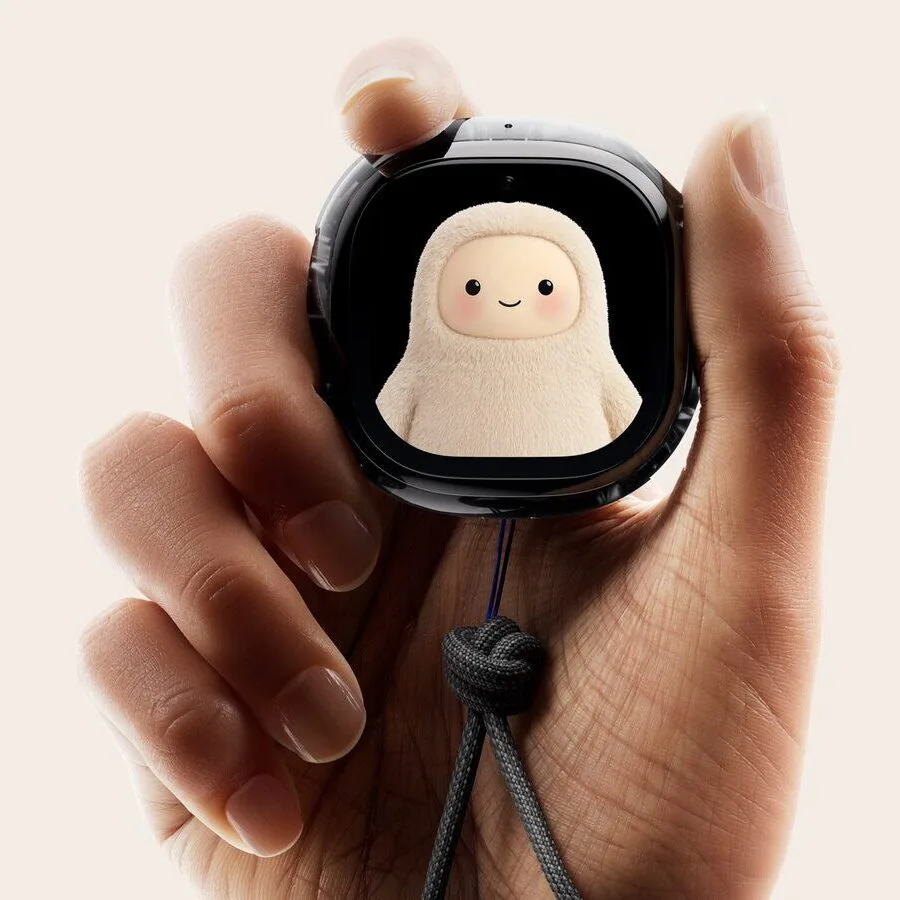
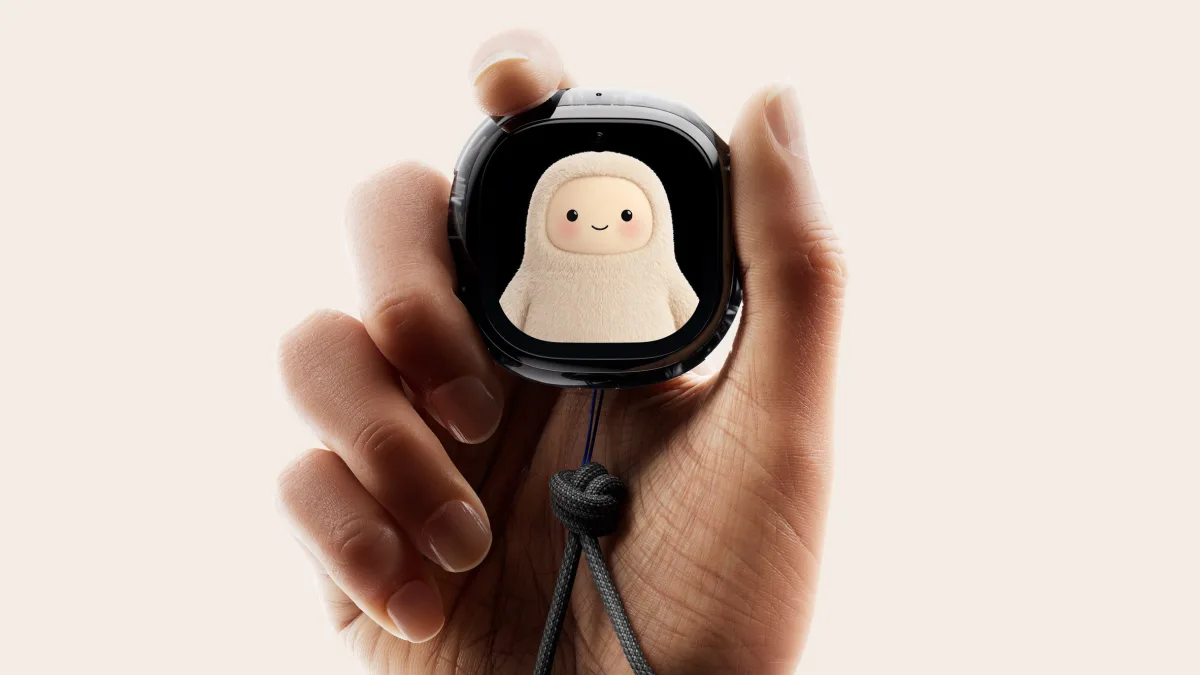
Meta is working on an unusual device designed to take artificial intelligence beyond the smartphone and turn it into a more personal everyday companion. The small Muse Charm looks like a modern take on the Tamagotchi – except that instead of a virtual pet, it could carry an AI agent.
A tiny device instead of another screen
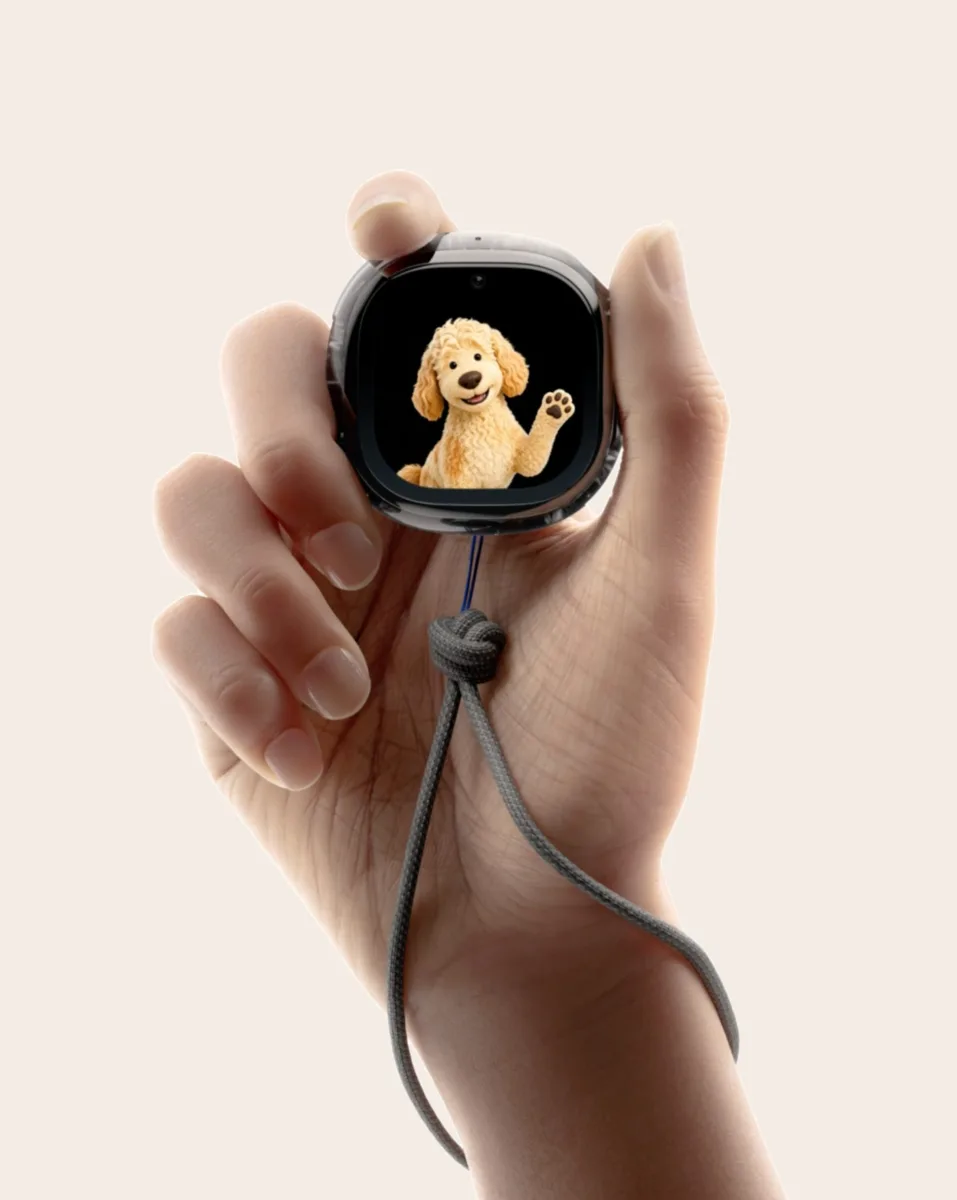
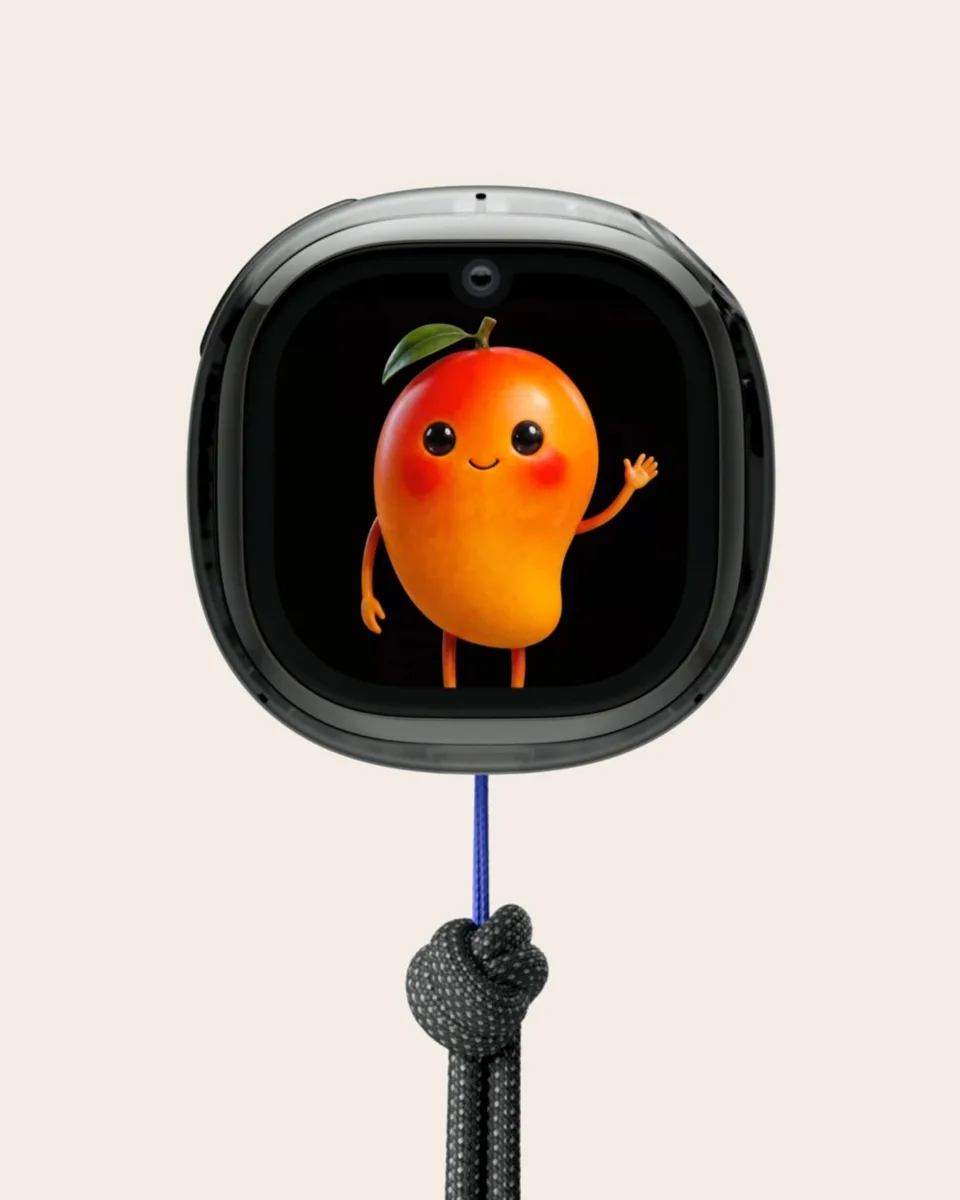
The device is reportedly called Muse Charm and is designed to be small enough to carry comfortably throughout the day. Its appearance is said to resemble a miniature Apple Watch, but without a traditional wrist strap. Instead, a small lanyard or loop would allow the device to be worn or attached to clothing.
The concept is surprisingly simple: users would not have to reach for their smartphones every time they want to interact with AI. The assistant could remain close at hand, ready to answer questions, respond to requests or react to what is happening around the user.
An AI that feels more like a personal companion
Meta has increasingly positioned its AI as something that can become more than a tool responding to individual commands. Muse Charm could represent another step toward the idea of AI as a continuous digital companion.
Instead of opening an app and typing a question, interaction could become much more immediate. The AI agent would have a physical presence without turning into yet another conventional smartphone screen.
The design is being led by a former Apple executive
One of the most intriguing aspects of the project is its design team. Meta's new design group is being led by Alan Dye, the former head of design at Apple.
His involvement suggests that Meta is thinking about more than just the device's technical capabilities. Its shape, materials, portability and the way people interact with it could all be central to the experience.
Why does Meta need a dedicated AI device?
Smartphones already come with increasingly powerful AI features. Yet the technology industry is looking for new ways to make artificial intelligence feel more natural and accessible.
Meta is already developing smart glasses designed to bring digital assistants closer to everyday life. Muse Charm could be another step in the same direction: AI would no longer exist only inside an app, but become part of the user's physical environment.
From Tamagotchi to personal artificial intelligence
The Tamagotchi comparison is particularly interesting. The tiny virtual pets of the 1990s became part of their owners' daily routines. People had to check on them, respond to their needs and keep them alive.
An AI agent obviously works in a completely different way. Still, there is a fascinating parallel: instead of a passive digital tool, the device could become something people develop an ongoing relationship with.
The next step after smart glasses?
Meta appears to be exploring a new form of personal technology. Smart glasses already bring AI closer to the user's face and immediate surroundings. A tiny wearable AI agent could take that idea even further.
The key difference is that Muse Charm would not necessarily have to remain in front of the user's eyes. It could work quietly in the background and demand attention only when it actually has something useful to say or do.
But there is a question more important than the design
As intriguing as the concept sounds, an always-carried AI agent inevitably raises privacy questions. A device that could potentially listen continuously or perceive its surroundings would need to handle personal data with a high degree of transparency.
For Meta, the challenge will therefore not simply be making Muse Charm small, stylish and convenient. The company will also need to explain how it intends to build trust around a device that could become deeply embedded in a user's everyday life.
A small gadget with a very big idea
Muse Charm is, for now, primarily a sign of where personal AI could be heading. Away from chat windows and apps, and toward devices that integrate artificial intelligence more continuously into everyday life.
Whether the tiny companion can actually become a new tech icon remains to be seen. But the idea behind it is clear: the next generation of AI may feel less like software – and more like a personal digital companion.