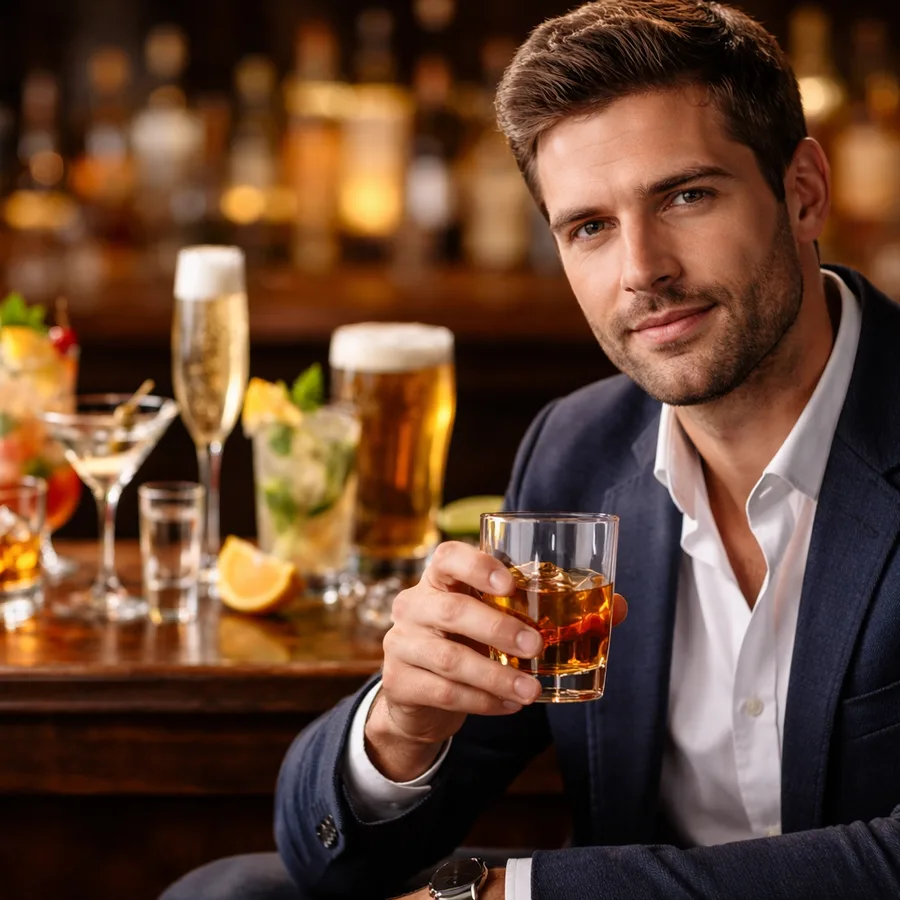
Here's a question that fascinates men almost as much as football or cars: why do two glasses of wine create one kind of mood, a pint of beer another, and a few shots of vodka can send the evening in a completely different direction?
At first glance, the answer seems obvious: every alcoholic drink contains the same active ingredient — ethanol. But the experience really does feel different depending on what you're drinking. And it's not because of a whiskey's "personality" or the magic of a particular brand. Much of the difference comes down to physiology, how quickly alcohol enters your bloodstream, and even what's on your plate.
Same alcohol, different feelings
Most people describe the effects of different drinks in similar ways:
- beer helps you relax;
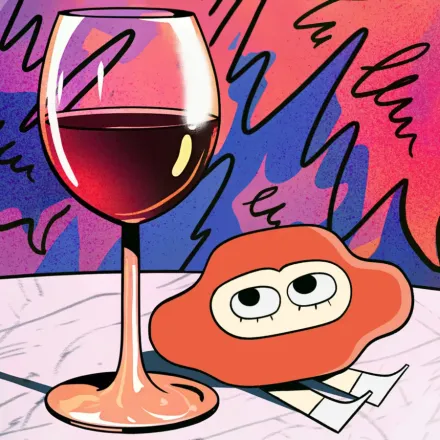
- wine creates a calmer, more intimate mood;
- spirits tend to bring on energy or a stronger feeling of euphoria much faster.
These impressions aren't just popular beliefs. A large British study involving nearly 30,000 people found that different categories of alcoholic drinks were consistently associated with different emotional experiences. Spirits were linked more often to confidence and energy, beer to relaxation, and red wine to calmness and even sleepiness.
It's important to remember that these were participants' perceptions, not proof that a specific drink directly causes a particular emotion.
The real secret is how fast you get drunk
The biggest factor is how quickly alcohol reaches your bloodstream.
Vodka contains a high concentration of alcohol and very few other compounds that slow absorption. That's why its effects often arrive faster and feel more intense.
Cognac, whiskey, and brandy are also strong drinks, but they're distilled spirits that contain additional natural compounds. Those substances can slightly change how quickly alcohol is absorbed, making the intoxication feel smoother and more gradual.
Why beer feels "softer"
Beer isn't just alcohol — it's also packed with water, carbohydrates, and a larger volume of liquid. That slows stomach emptying, so alcohol enters the bloodstream less abruptly.
That's why many people feel relaxed after a beer before they feel noticeably intoxicated.
There's one catch: several beers in a row quickly add up to a significant amount of alcohol.
Champagne gets you drunk faster than you expect
Sparkling wine has one special ingredient: bubbles.
Carbon dioxide speeds up the movement of alcohol from the stomach into the intestines, where it's absorbed much more quickly. That's why champagne often kicks in faster than expected, even though it's less alcoholic than vodka.
Food is the evening's underrated hero
There's one rule physiology strongly supports: drinking on an empty stomach makes alcohol hit harder.
As long as food stays in your stomach, alcohol remains there longer too. Your body also produces an enzyme called alcohol dehydrogenase, which begins breaking down some ethanol before it reaches the bloodstream.
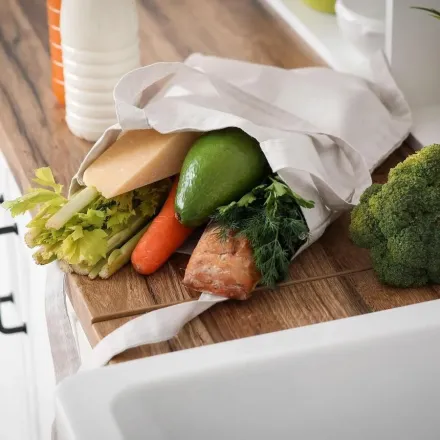
That's why even a light snack — cheese, an apple, a sandwich, or a handful of nuts — can make intoxication happen more gradually.
Why the same drink affects people differently
How alcohol affects you depends on many factors:
- body weight;
- metabolism;
- age and sex;
- fatigue level;
- how much you've eaten;
- how quickly you drink.
That's why two people can drink exactly the same amount of wine and experience completely different effects.