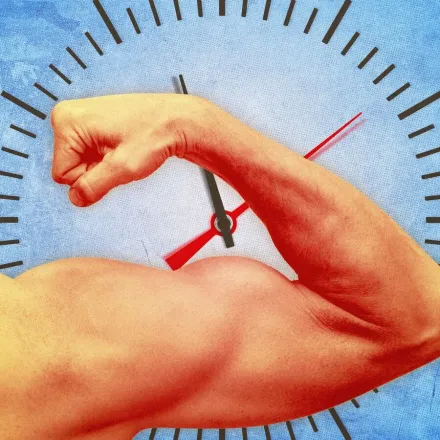
We love joking about our “best years,” but if you put romance and memes aside, one simple question remains: when does the human body actually perform at its peak? At 25? At 30? Or maybe after 40, when experience, discipline, and an expensive gym membership finally come together?
Scientists decided to answer that question with data instead of opinions. And the results of a major study that lasted nearly half a century are changing what we know about the true peak of physical performance.
Your Physical Peak Isn't at 20
Many men assume their best physical shape comes in their early twenties. But the research tells a different story.
Researchers at Sweden's Karolinska Institute analyzed data from the long-running SPAF project, which has tracked the physical fitness of hundreds of people since 1974. Participants were tested every five years, with researchers measuring endurance, aerobic capacity, and overall fitness.
The biggest takeaway was surprising: most men reach their highest aerobic capacity between the ages of 26 and 36.
During this period, the heart, lungs, and muscles work at their most efficient.
What Happens After 35?
After age 35, the body gradually begins to lose some of its maximum physical capacity. But that doesn't mean you'll suddenly wake up feeling weaker overnight.
The first changes are almost impossible to notice. According to the study, physical performance declines by about 0.3% to 0.6% per year. It's such a slow process that most people don't even realize it's happening.
As the years go by, that decline becomes more noticeable, especially later in life, when the natural effects of aging begin to accelerate.
Why Are Some 45-Year-Old Men Fitter Than Others at 30?
This is where things get interesting.
Age is only one part of the fitness equation. The study found that men who stayed physically active from their teenage years maintained their endurance, strength, and mobility for much longer.
In other words, regular exercise appears to slow the age-related decline in physical performance.
There's more good news: even men who started exercising later in adulthood saw meaningful benefits. Their overall health indicators improved by about 10%.
Your Muscles Love Movement
After age 60, the body begins to lose muscle mass more rapidly. That's one of the main reasons mobility decreases, fatigue increases, and strength starts to decline.
But here's the encouraging part: muscles respond to training at any age.
Strength training, walking, swimming, cycling, or even regular brisk walks can help keep your body stronger and more capable for years to come.
How to Stay Fit for Longer
Researchers highlighted several habits that consistently make a difference:
- regular cardio exercise to support heart and lung health;
- strength training two to three times a week;
- getting enough protein in your diet;
- prioritizing quality sleep and recovery;
- moving every day instead of living a sedentary lifestyle.
You don't need to become a marathon runner or spend every evening at the gym. What's far more important is making movement a regular part of your everyday life.