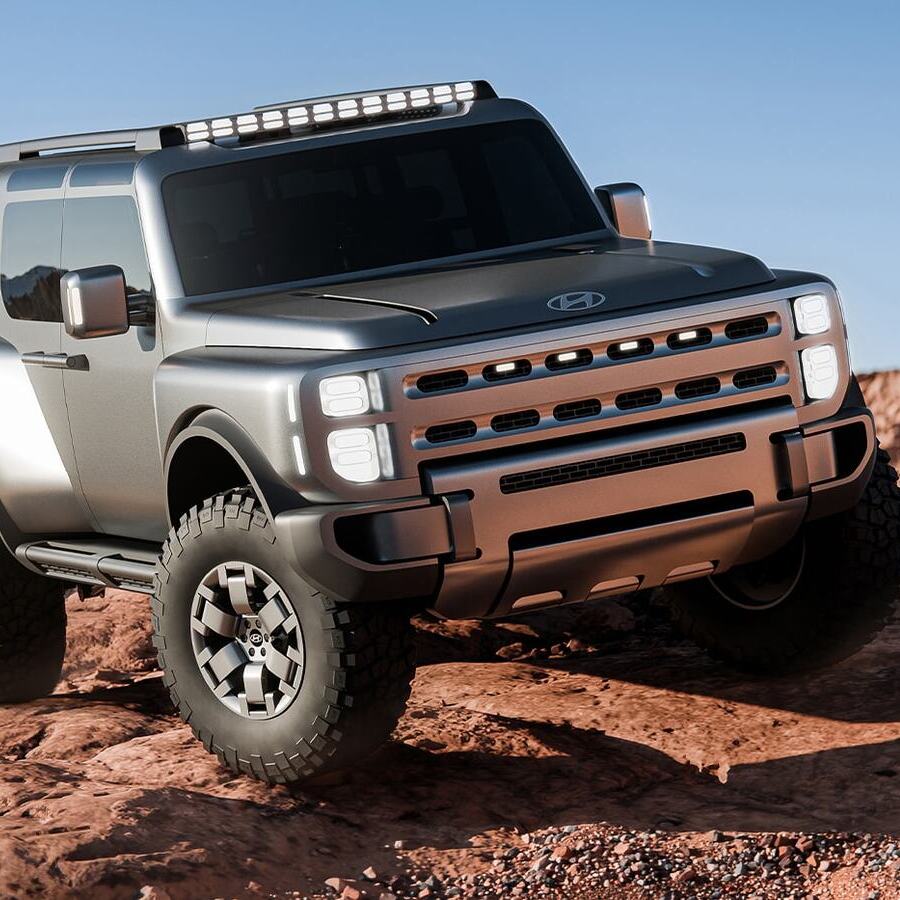
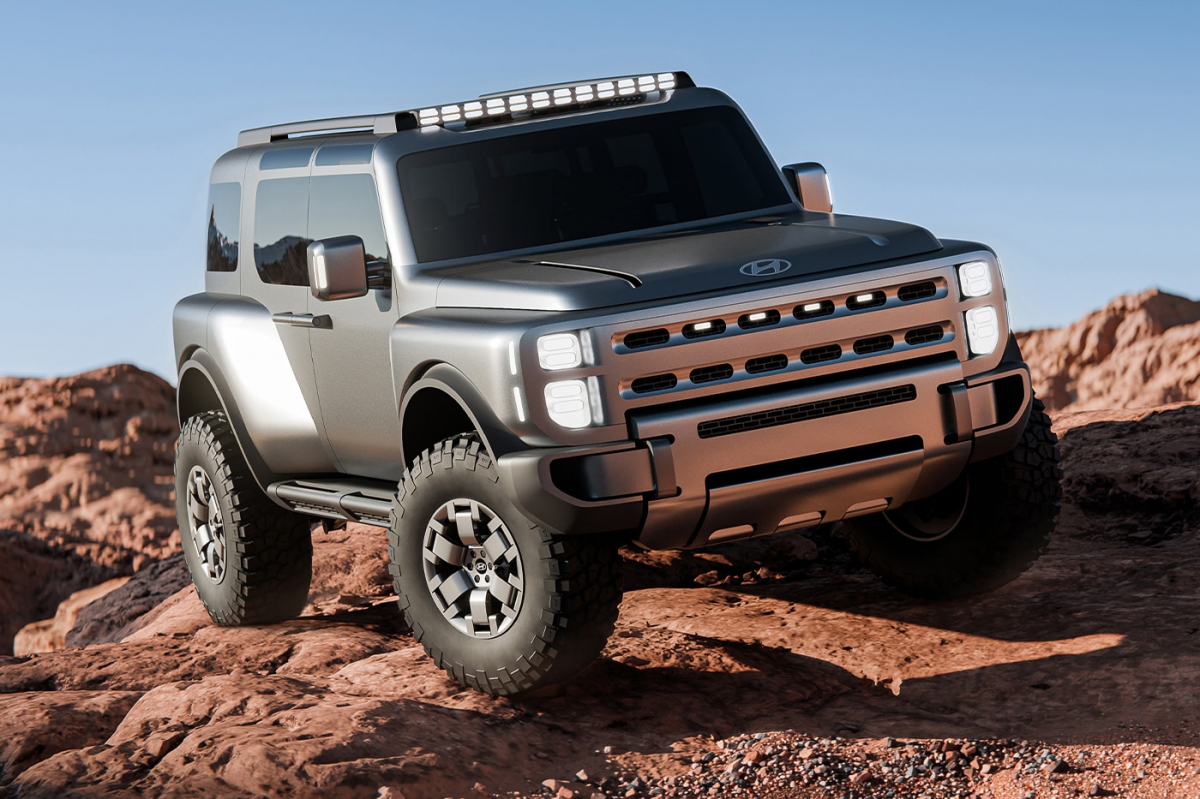
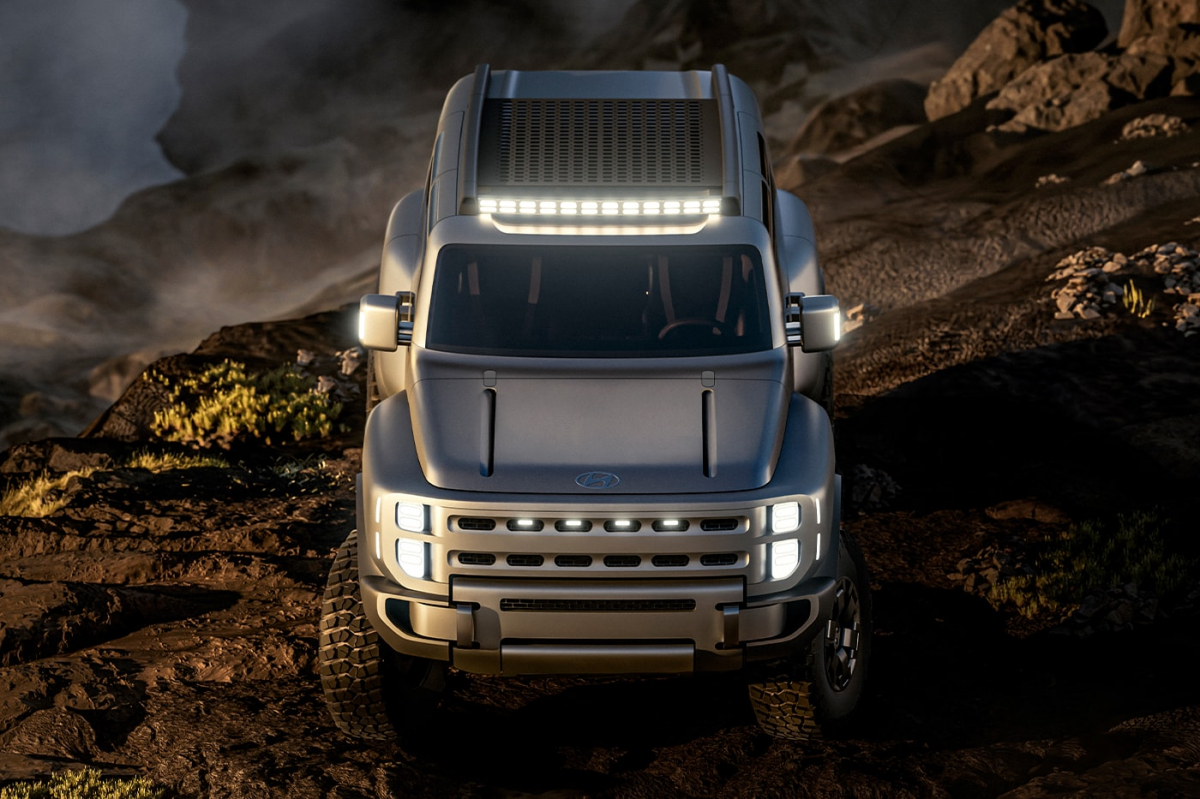
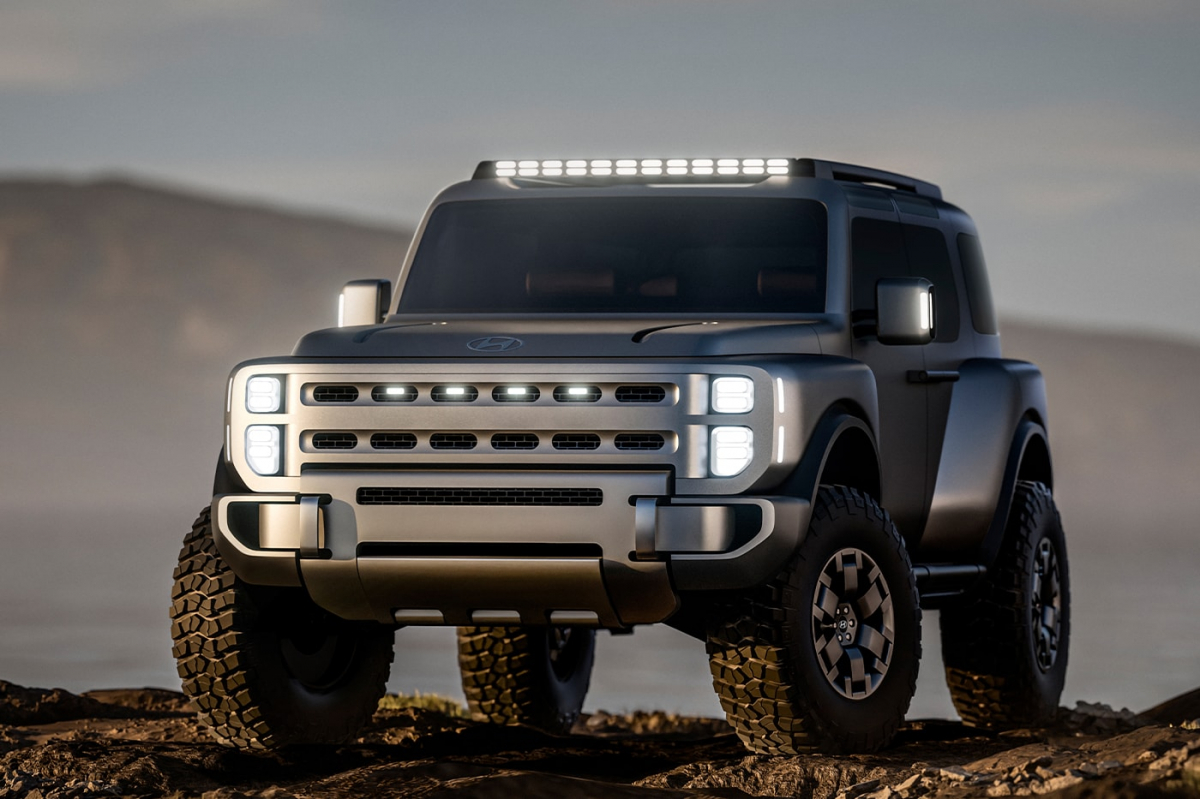
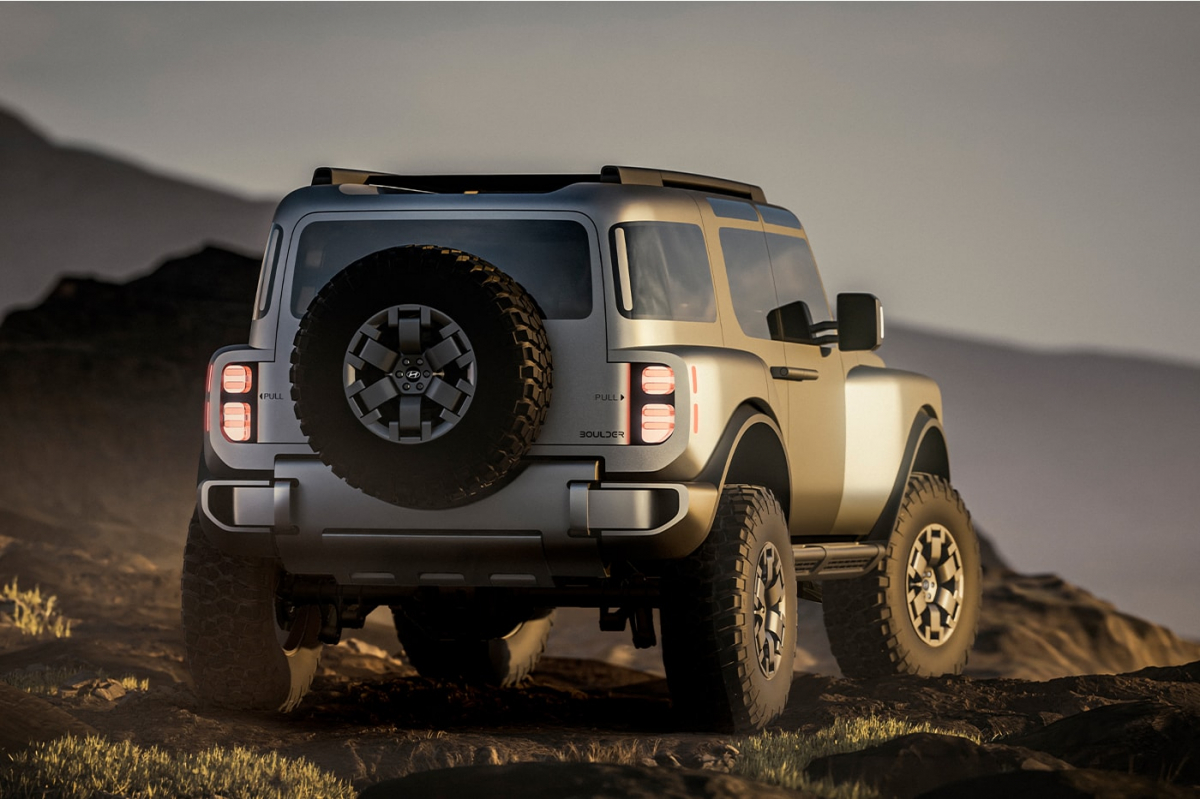
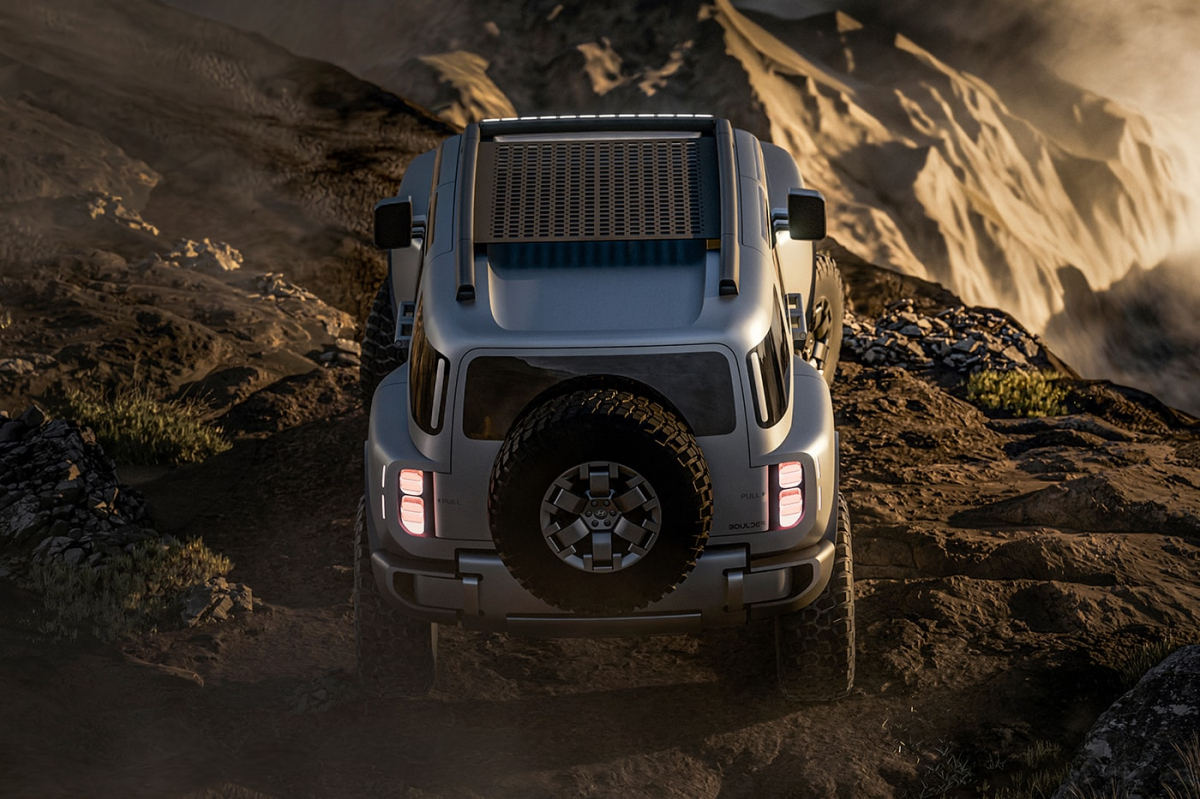
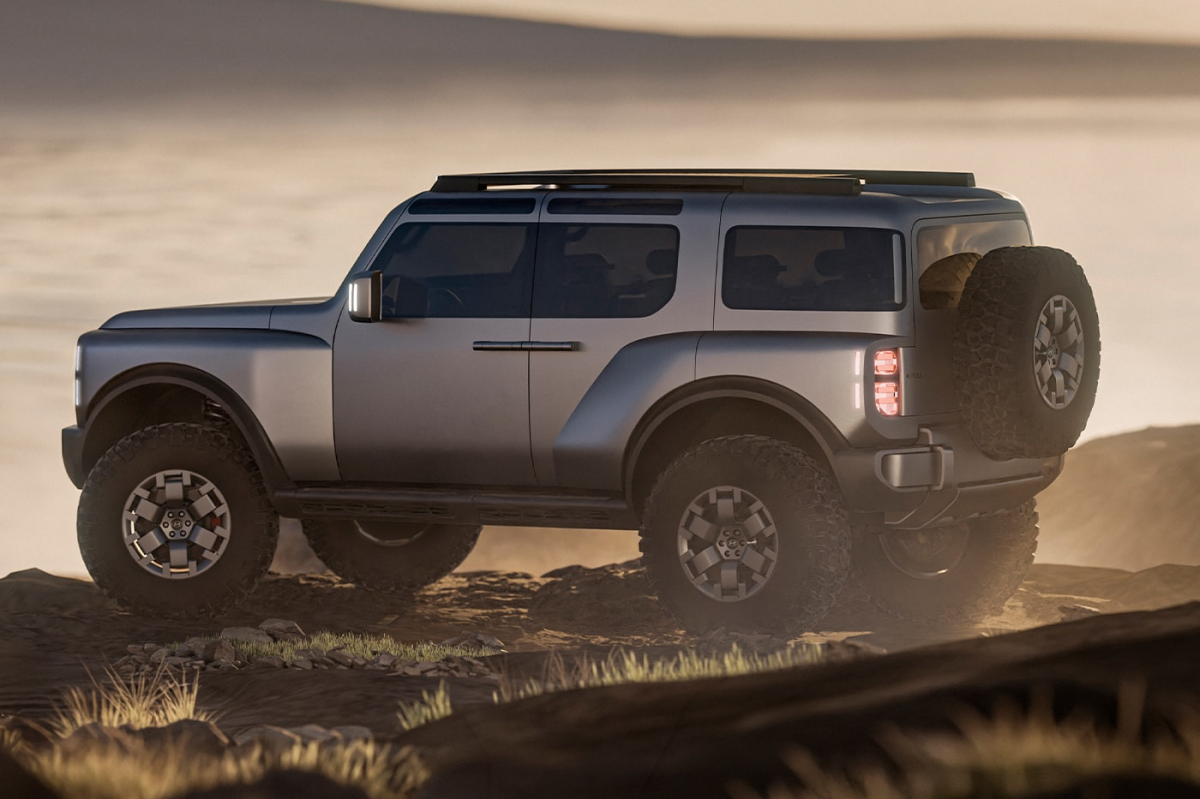
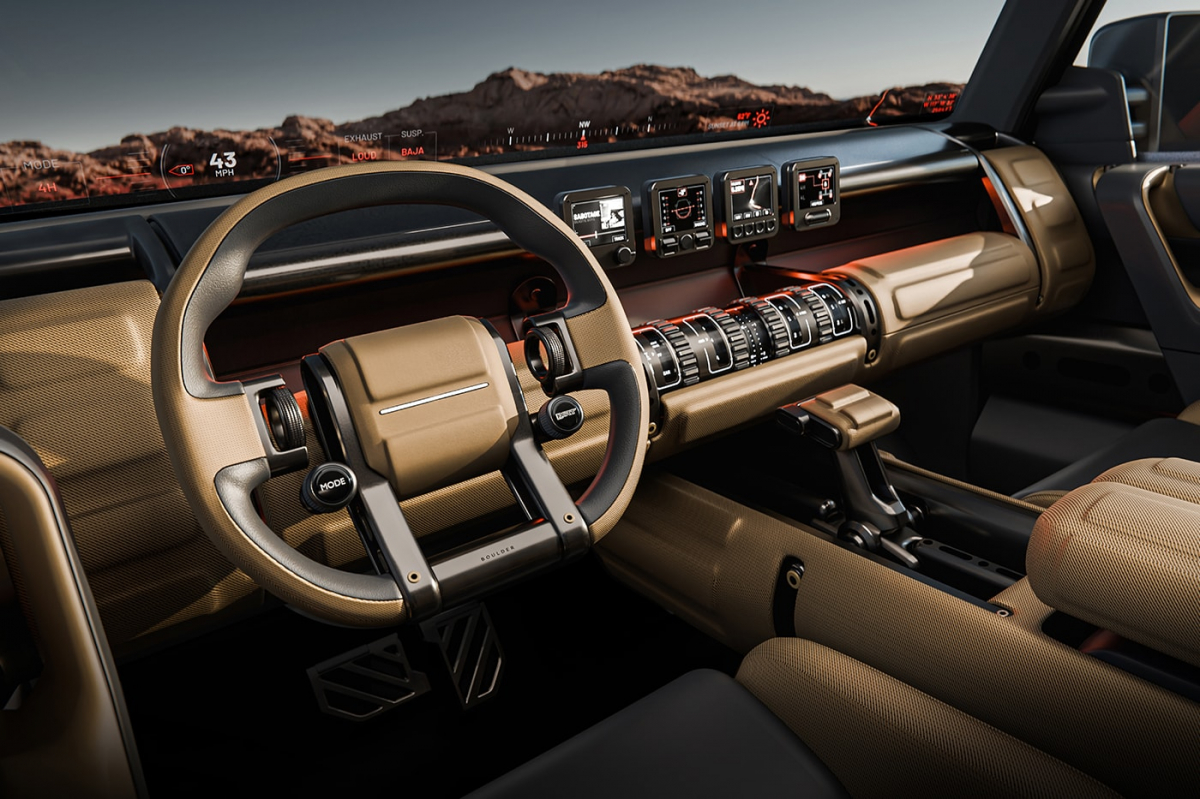
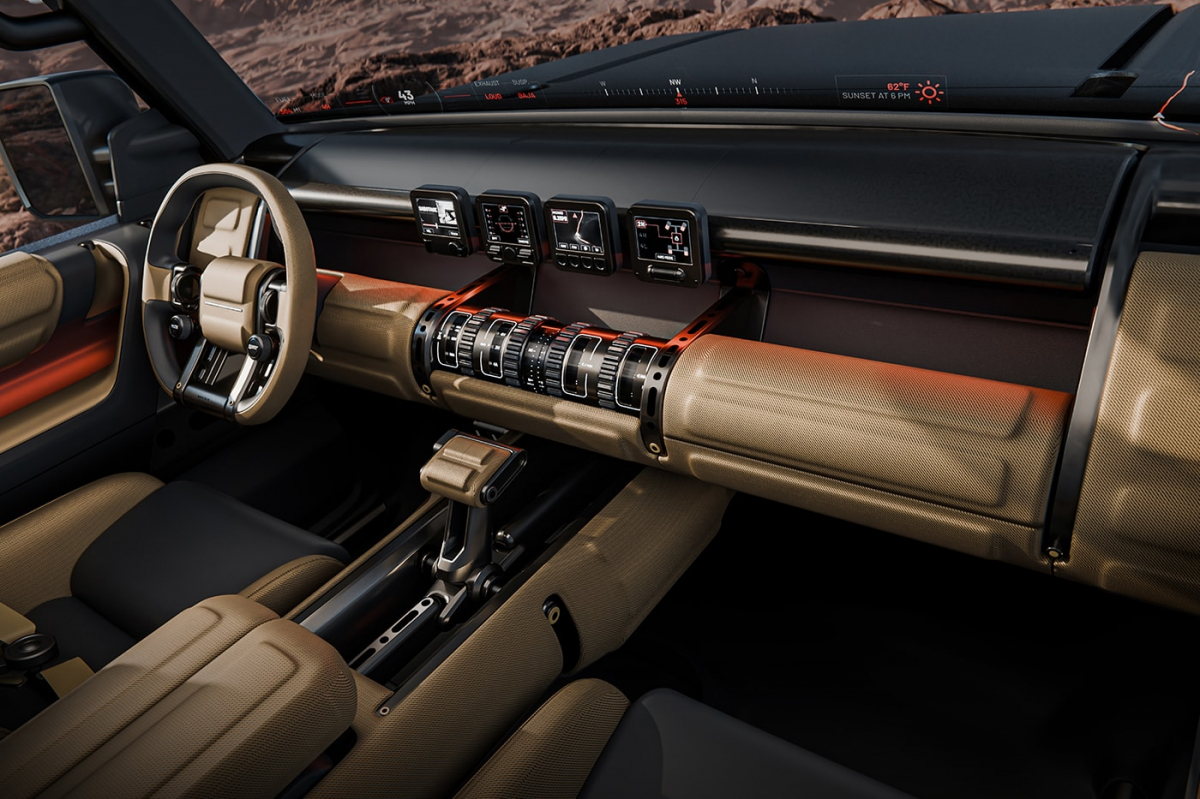
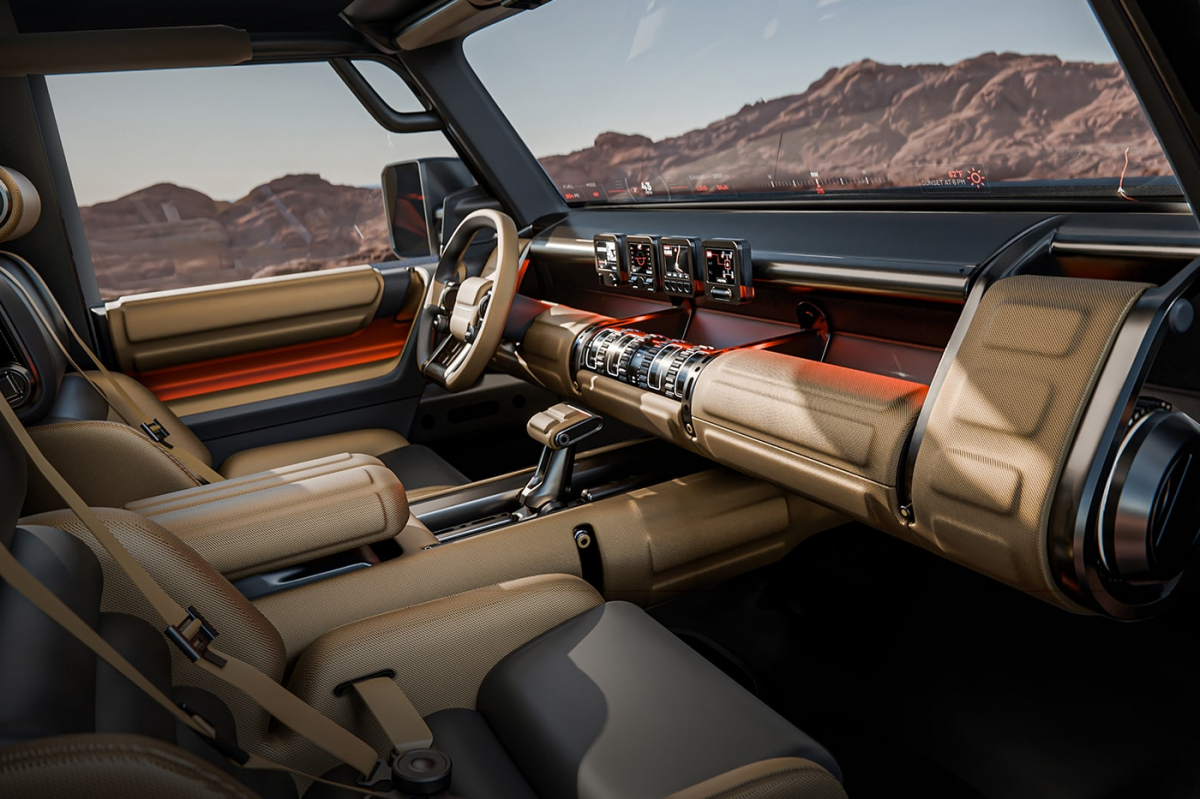
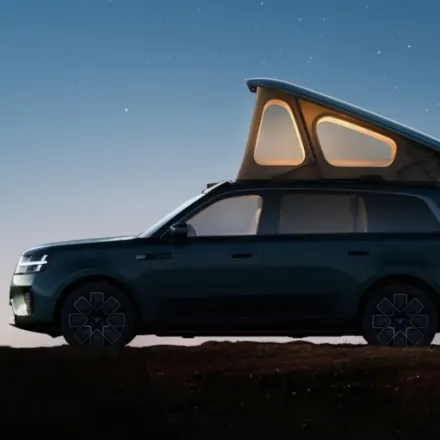
For years, Hyundai has mostly been associated with sensible crossovers, urban comfort and tech-packed family cars. But it looks like the times are changing. At the New York Auto Show, the brand unveiled the Boulder Concept — a concept vehicle that looks like it wasn’t designed for parking outside a supermarket, but for the kind of route where the pavement ends and the real adventure begins.
And yes, this isn’t just a flashy design fantasy built for the spotlight. The Boulder is a pretty clear sign that Hyundai is seriously stepping into territory long ruled by pickups, mud, rocks, fuel cans, tents and people who don’t just like to “drive,” but to push through whatever stands in the way.
At first glance, one thing is obvious: the Hyundai Boulder Concept was not built for a soft lifestyle. This is a machine with an aggressive, almost military personality. A tough body-on-frame structure, massive proportions, a brutal silhouette and the kind of presence that suggests this thing can go places most modern SUVs wouldn’t even dare to look at.
What really sets the Boulder apart from the usual “city off-roaders” is its honest off-road philosophy. It’s built on a body-on-frame platform, and that alone is a serious statement. In an era when many vehicles only imitate toughness with plastic cladding and marketing slogans, Hyundai has decided to play for real.
If you’ve ever seen a vehicle sitting on giant mud tires, then you know it’s not just about appearance. It’s about intention. The Boulder gets 37-inch mud-terrain tires, and that already puts it in the category of machines that aren’t afraid of ruts, rocks, sand, washed-out trails or any terrain where Google Maps starts to panic.
On top of that, it comes with aggressive approach, departure and breakover angles. In other words, this concept doesn’t just look like a proper off-roader — it was genuinely designed with difficult terrain in mind. There’s no “fake extreme” energy here. Everything about it suggests Hyundai wants to compete in the same league as vehicles bought not for status, but for adventure.
One of the most interesting features of the Boulder is its double-hinged tailgate, which can open from either side. And this is exactly the kind of design idea that doesn’t just sound cool in a press release — it actually looks useful in real life.
Picture this: you’re somewhere at the foot of a mountain, in the forest, by a lake or at a campsite. In the back, you’ve got gear, tools, food, maybe a board, fishing rods or an overnight setup. And instead of awkwardly climbing in to reach your stuff, you get practical, easy access from different sides. It’s a simple idea, but that’s exactly how a vehicle becomes something that truly understands its owner’s lifestyle.
Another great touch is the safari windows — classic extra windows that add not just style, but also the feeling of a true expedition vehicle. It’s exactly the kind of detail that makes the Boulder feel not only powerful, but also, in the best possible way, a little romantic.
Because a real off-road machine isn’t just about conquering obstacles. It’s also about mountain sunrises, forests after the rain, roads carved along cliffs and that sense of freedom you simply can’t get in dense city traffic.
And this is where things get really interesting. The Boulder Concept isn’t just a “look what we can do” design study. Hyundai has already made it clear: this is a preview of the brand’s first-ever midsize body-on-frame pickup truck, expected to arrive in 2029.
That means the company isn’t just playing with the image of a rugged adventurer — it’s seriously preparing a new vehicle for the American market, and doing it properly. The truck is expected to be developed, engineered and assembled in the United States, using American steel. That’s an important signal: Hyundai doesn’t just want to enter the segment — it wants to do it by the rules of the local auto industry.
And honestly, that’s a very smart move. Because in America, a pickup isn’t just transportation. It’s practically a cultural code. And if Hyundai manages to give the market not just another “compromise truck,” but a machine with real charisma and real capability, it has every chance to make a very loud statement.