In the past, cars competed in engine power. Then came the era of multimedia systems, electric drivetrains, and autopilot technologies. Today, the competition has shifted to a new level — driver health and comfort. That is why the new Plasma Care UVC technology introduced by Hyundai and Kia could become one of the most interesting automotive innovations in recent years.
After the COVID-19 pandemic, we got used to antiseptics, air purifiers, and ultraviolet sterilizers. But now a similar system could live inside your car. And it does not require stopping the vehicle or activating a special mode — purification works continuously while you drive.
Clean air without extra buttons
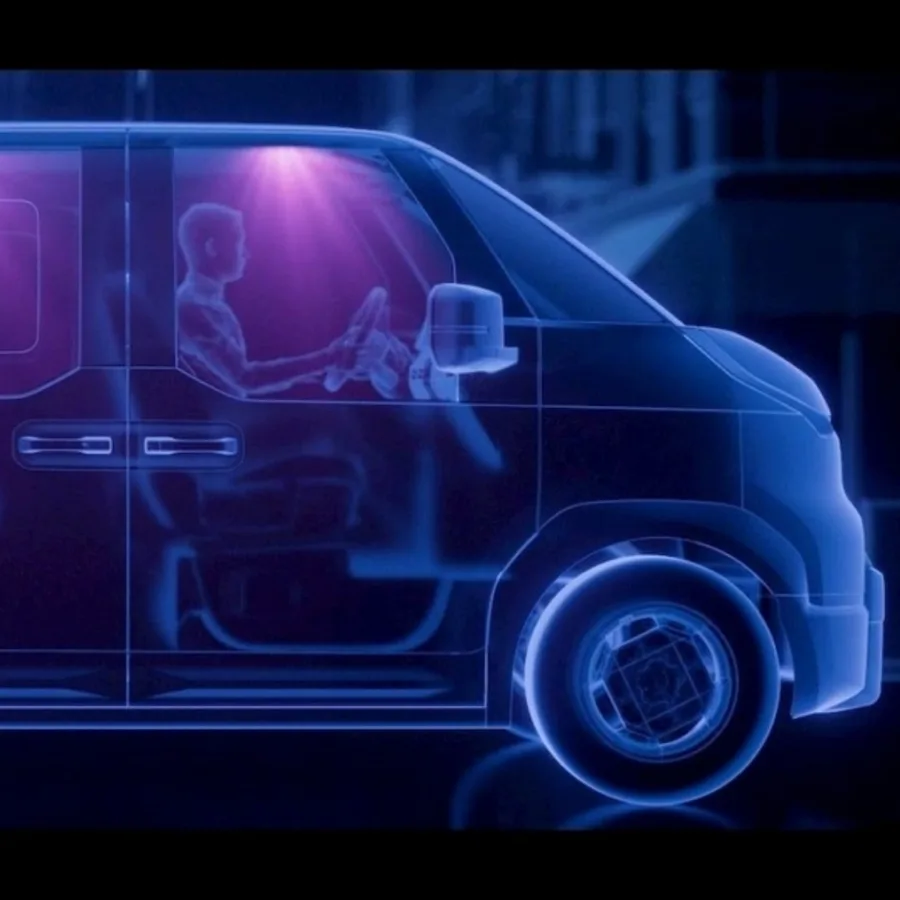
Plasma Care UVC is an integrated cabin disinfection system that uses special plasma lamps with far-UVC radiation in the 200–230 nanometer range.
It sounds complex, but the principle is simple. The lamps are installed in the car’s ceiling and continuously clean the air inside the cabin. They do not analyze pollution levels or scan the space — the system simply runs nonstop while the vehicle is in motion.
The most convenient part for the driver is that there is no need to think about it at all. It works automatically.
Not only bacteria, but also unpleasant odors
Every driver knows how quickly a car interior can absorb foreign smells. Coffee, food on the go, wet sports clothes, pets, or cigarette smoke can linger for months.
Hyundai and Kia claim that Plasma Care UVC not only fights microorganisms but also significantly reduces unpleasant odors. This means that even after long trips, the cabin should remain fresher without constant use of air fresheners.
Safety first
Ultraviolet radiation is usually associated with risks for skin and eyes. That is why many people may approach this innovation with caution.
However, engineers explain that the system uses far-UVC light, which does not penetrate the outer layer of human skin. According to the company’s internal tests, within about 40 minutes of operation the technology can eliminate up to 99.9% of Escherichia coli bacteria in the cabin air.
If these results are confirmed in real-world use, the car would effectively gain its own continuous sanitation system.
Useful not only for private cars
The most interesting aspect is that the potential of this technology goes far beyond standard passenger vehicles.
It can be installed in public transport, ambulances, corporate vans, taxis, tourist buses, and other vehicles that carry many people throughout the day.
This could be especially relevant for transport services, where cabin cleanliness directly affects passenger comfort and company reputation.
Cars of the future are becoming smarter
Just a few years ago, manufacturers focused mainly on engine power, large screens, and digital dashboards. Today, more attention is given to things the driver barely sees but feels every day: air quality, acoustics, lighting, and overall comfort.
These technologies are shaping a new generation of cars where care for people is just as important as technical performance.
When will it arrive?
For now, Plasma Care UVC has already been successfully tested in the Kia PV5 electric minivan, but Hyundai and Kia have not yet announced exact timelines for its rollout into production vehicles.
However, if the system proves effective in real conditions, it is quite possible that in the coming years air purification will become as common as climate control, heated seats, or automatic braking systems.
The future of cars is no longer just about speed and comfort, but also about invisible protection working for drivers and passengers every second.