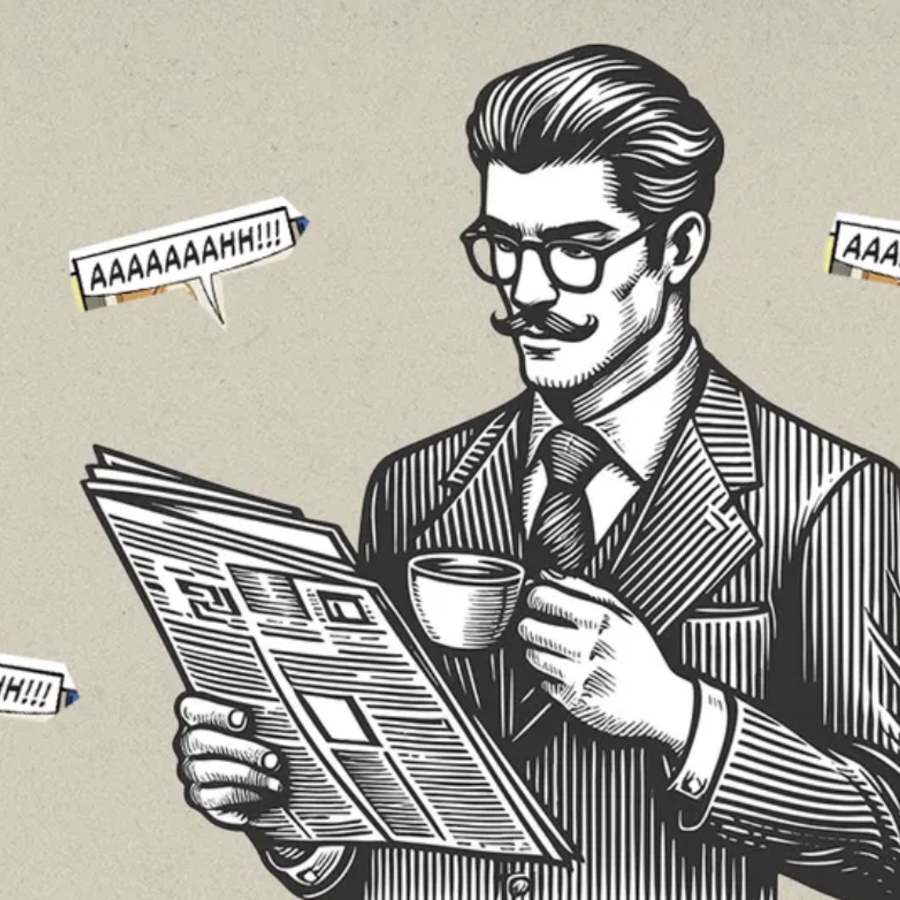
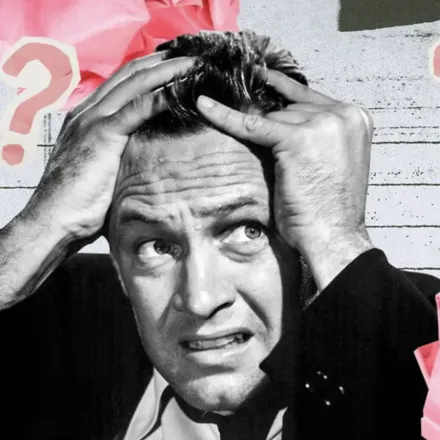
It seems like the world is full of rude, toxic, and annoying people. News, social media, the internet — everywhere it seems to shout: “Humanity is corrupt!” But in reality, that’s not entirely true. Most people are normal; there are just a few reasons why we get the opposite impression.
The “Rotten Apple” Effect
Even if 99 people behave normally, one rude or unpleasant person always stands out. Our brains are wired to notice negative behavior more strongly. Online, this effect is even more pronounced: a tiny minority gives the impression that everyone is aggressive. For example, one forum user starts insulting everyone, a few others join in, and thousands of observers get the sense that conflict is the norm.
We React More Strongly to Negativity
Psychologists have long proven that a single negative experience outweighs ten positive ones. This works the same in social media and real life. You post a photo, get fifty likes and compliments, but one sarcastic comment sticks in your mind. That’s how the feeling that the world is against you is formed.
The Internet Amplifies Exposure
In the past, your social circle was limited to neighbors and friends. Today, you encounter hundreds or even thousands of people online. Even if only one percent are toxic, that’s enough to ruin your mood. The wider the reach, the stronger the impression that “everyone is like this.”
The Mass Effect of Negative Experiences
One toxic person can trigger a chain of conflicts, pulling normal people into the mix. On the road or on social media, one person’s argument can turn into a wave of negativity. It seems like “everyone is aggressive,” even though in reality, it’s just an active minority making noise.
News and Social Media Focus on the Negative
Media outlets know that negativity grabs attention. Scandals, accidents, disasters — these are louder and more visible than good deeds. Social media algorithms push emotional, provocative content that sparks reactions, creating the impression that everyone around you is angry or aggressive.
Social Comparison Increases Cynicism
On social media, people show either their best side or their most provocative side. Anonymity allows for bolder, sharper behavior. In reality, most people behave normally, but we judge “humanity” based on a distorted online picture.
Algorithms Amplify Extremes
Platforms want to keep your attention. Controversial and emotional content gets more likes and shares. This creates the impression that toxic people are everywhere.
Personal Experiences Amplify Perception of Negativity
Our mood and stress levels influence how we perceive others. Fatigue, irritability, pressure — even neutral actions can feel aggressive. A colleague accidentally bumps into you at the office — it seems intentional, even if it isn’t. This is why the world can feel full of “bad people.”