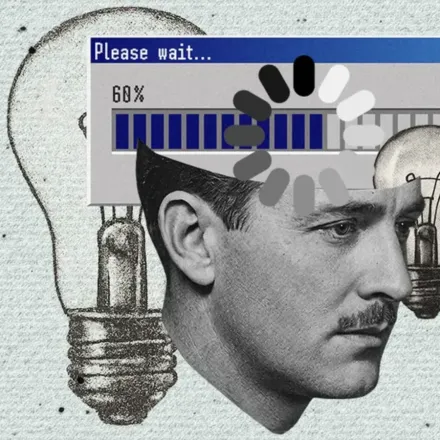
OnlyFans is not just a platform—it’s a social phenomenon, a mirror reflecting the digital age, where personal attention has become a commodity and reality a luxury. The platform allows creators to earn hundreds of thousands of dollars posting adult content, while millions spend decades in education, carry student debt, and work 40–60 hour weeks under heavy responsibility and strict schedules. It’s a stark global contrast: instant earnings through digital intimacy versus decades of hard work.
The Illusion of Intimacy
People aren’t paying for bodies or sexual content. Free porn is everywhere. Subscribers pay for emotional presence and the feeling of being noticed. These are parasocial relationships, where the fan feels like they’re the only one for the creator. $50 a month isn’t about sex—it’s about feeling seen in a world that trains people to stay invisible.
Social engineering is at play: users aren’t just consuming content, they’re engaged. Direct messages (DMs), personal videos, requests for their name to be said on camera—these create digital intimacy that the brain interprets as almost real. Even if it’s an Indian or Filipino chatter responding, the subscriber experiences a dopamine and oxytocin spike—hormones of pleasure and trust.
Scalability vs. Traditional Labor
In traditional jobs, you sell your time. Even the best neurosurgeon is limited by how many surgeries they can perform in a day. OnlyFans content scales instantly: one post can be seen by hundreds of thousands simultaneously. Profit depends not on the difficulty of work but on the audience reach. The platform breaks the old “study hard, work hard, get rich” formula, offering digital monetization of personality.
Simple math: content is created once but sold many times. Contrast with traditional economics: a doctor or engineer is limited by physical resources; a digital creator is unlimited. This is a fundamental shift in work psychology and modern economy.
Loneliness and Digital Void
We have hundreds of “friends” on social media, but no one to call at 3 a.m. Algorithms create a false sense of connection, showing only what we like. Live interaction disappears, replaced by likes and comments. The brain reacts differently: a like triggers dopamine, live contact triggers oxytocin, the trust hormone. Chronic social isolation increases the risk of heart disease, depression, and premature death.
The Psychology of OnlyFans
OnlyFans leverages emotional triggers through parasocial relationships. Subscribers believe they receive personal attention. Many top creators hire chatters who respond 24/7, creating the illusion of intimacy. As menscult.net notes, the “just for me” effect is a powerful emotional trigger, stronger than sexual arousal itself.
Subscribers first observe creators on Instagram or TikTok: breakfast, the dog, complaints about the weather. On OnlyFans, they pay for “the same person”. Digital closeness becomes psychological currency, and the platform turns emotions into revenue.
The Collapse of Illusions
When subscribers realize the intimate messages are handled by an Indian or Filipino chatter, the magic disappears. Emotional disappointment hits harder than sexual excitement. AI models that respond instantly and never tire could turn OnlyFans into a digital mannequin graveyard, devoid of life and real interaction.
The platform that promised to defeat loneliness faces a deeper problem of authenticity. When users realize they bought a “loneliness placebo,” they search for real human connection, not algorithms or hired chatters.
The Offline Renaissance
After technological extremes comes the offline renaissance: private clubs, phone-free parties, board games, camping trips. People start valuing live, imperfect interaction more than perfect smartphone images. OnlyFans failed to deliver its main promise: overcoming social isolation.
What is OnlyFans
OnlyFans is a platform for content creators to sell adult content and parasocial relationships with subscribers. It’s a psychological, economic, and social phenomenon of the digital era.
Social Dynamics
OnlyFans emerged amid social isolation, the collapse of traditional institutions, and the need for personal significance. Subscribers pay for emotional presence, not sexual content.
Scalability and Psychology
The platform demonstrates how scalable content generates profit, while personal branding and social engineering create emotional value.
Risks and Future
AI and chatters pose a risk of experience desanctification. OnlyFans may lose relevance as a social elevator if users realize they are buying an illusion rather than reality.