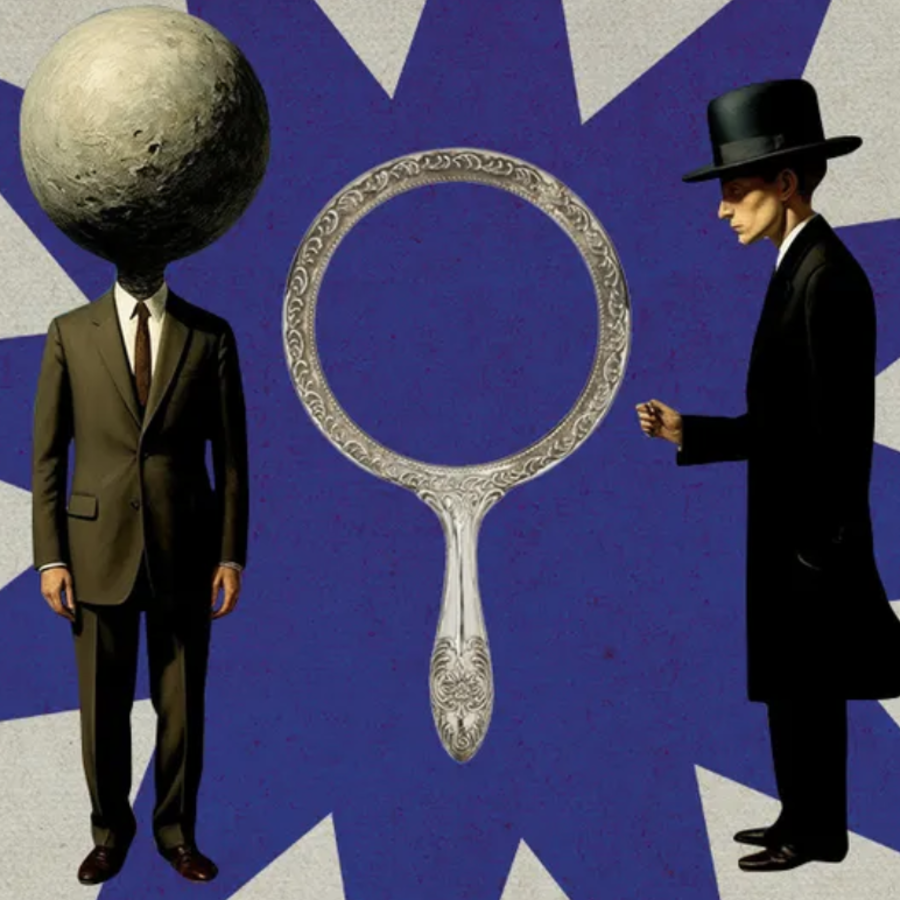
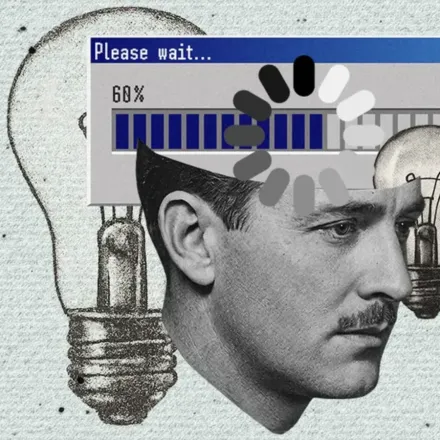
You’ve probably heard this phrase hundreds of times: “Be yourself.” It sounds simple, almost like a mantra, repeated in motivational talks, self-help books, and on social media. But here’s the paradox: today, this idea is increasingly becoming not a way of living, but a role we perform for the world.
Social Media and “Performing Authenticity”
Today, “being yourself” often means “appearing unique and genuine.” You post photos, share stories, express your thoughts—but always with an eye on likes, comments, and audience reaction. The more you try to look “interesting” or “unusual,” the more you feel like you’re playing a role. The real “you” hides behind filters, carefully crafted captions, or perfectly curated images.
Instead of freedom of expression, it becomes a theater of your own life: your “self” is a performance for others, not for you.
“Be Yourself” as a Social Expectation
Once, this phrase meant inner freedom: exploring your desires, fears, and habits without societal pressure. Today, it’s almost a rule. If you don’t publicly showcase your uniqueness, you might feel like you’ve “fallen short,” that your life doesn’t meet the standards.
The paradox is that freedom becomes an obligation. You strive to be interesting and bold even when it contradicts your inner feelings. Ultimately, your inner self gets lost in other people’s expectations.
Commercialization of Authenticity
The trend of “authenticity” has spawned a whole industry: brands sell courses, products, and life hacks promising to help you “find yourself.” In reality, they teach you not to live your life, but to look a certain way to gain recognition, success, or money.
You can take dozens of courses and buy expensive items, yet still follow someone else’s instructions instead of your own desires. Life turns into a carefully staged performance, where your true individuality is subordinated to external standards.
Fear of Being Boring
Modern society values boldness and uniqueness. Quiet, calm personalities are often seen as “boring.” The fear of being ordinary makes people invent an “interesting self”: picking hobbies not because they enjoy them, but for effect, behaving how others expect rather than how they feel.
The result is a constant performance, where every action is judged through someone else’s eyes. Over time, this leads to emotional exhaustion and inner emptiness.
Comparison and the Ideal Trap
Social media and media constantly show “how to live correctly.” Your “self” starts to feel not bright, successful, or unusual enough. Instead of exploring your own desires, you adjust your behavior to others’ standards.
You’re not just trying to be yourself—you’re trying to be the “best version of yourself” by someone else’s measure. Life becomes a stage, where the real personality disappears behind the mask of perfection.
Real “Being Yourself”
Truly being yourself means stopping the comparison with others, accepting your weaknesses and unique traits. Live in a way that’s comfortable for you, not dictated by society. Then life stops being a performance and becomes your own.
Inner Fears and Self-Control
We often control every word, action, and emotion out of fear of judgment or mistakes. It may seem like we live freely, but in reality, we’re performing an “authentic role,” carefully choosing what to show the world.
Real “being yourself” requires courage to release that inner control, allow yourself to make mistakes, feel, and act naturally. Only then do you start living a real life, not a performance for others.