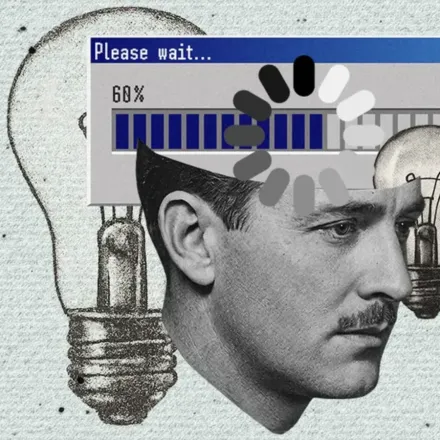
Impulsiveness isn’t a sign of weakness—it’s a habit of losing to yourself. One extra piece of cake, an unplanned purchase, or a message to your ex at two in the morning might seem harmless, but each moment reinforces the habit of giving in to temptation. Willpower works like a muscle: the more you train it, the stronger it becomes.
Here are 13 practical ways to help you stop acting on impulse and regain control, even in situations that once felt impossible.
Recognize Your Triggers
The first step is understanding what sparks your impulsiveness. Stress, fatigue, boredom, or specific situations: ads on your phone, the smell of food, access to alcohol. Keep a journal for a week: whenever you give in to temptation, note the circumstances, your emotions, and the time. Soon you’ll start noticing patterns.
Create a Pause
An impulse demands immediate action. Insert a pause between desire and behavior: count to ten, or take three deep breaths. Even ten seconds is enough to engage rational thinking.
Visualize the Consequences
The brain loves instant rewards, but imagining the later consequences weakens the urge. Before buying an unnecessary gadget, picture an empty wallet at the end of the month; before ordering fast food, imagine the heaviness in your stomach and the guilt afterward.
Redirect Your Energy
An impulse is energy in the body. Release it immediately: do push-ups, go for a walk, tidy your room. Physical activity reduces the power of temptation.
Set a “Never” Rule
A strict rule removes excuses: “I never text my ex,” “I never make impulsive purchases on credit.” Absolutes make it easier to resist.
Use the Delay Principle
If “never” feels too extreme, try “later”: “I won’t buy it now; I’ll buy it tomorrow.” Most urges fade if you don’t satisfy them immediately.
Remove Temptations from Your Environment
Don’t keep temptations in plain sight. Remove unhealthy foods, unsubscribe from promotional emails, delete contacts that trigger lapses.
Develop Self-Observation
Check in with yourself: What are you feeling? Why are you acting? Pause several times a day and assess the moment of choice. This helps you act consciously.
Create Alternative Rewards
Completely denying yourself pleasure causes resistance. Replace impulses with healthier alternatives: fruit instead of sweets, saving money instead of wasting it.
Strengthen Habits with Small Wins
Willpower builds gradually. Skip the second cup of coffee, avoid social media in the morning, tidy your desk every night. Small victories create the foundation for bigger ones.
Use Social Accountability
It’s easy to slip when you’re alone. Tell a friend about your goal and ask them to check in on your progress. You could keep a public journal or create a support group. Social pressure works.
Manage Your Energy Levels
Impulsiveness often arises from fatigue or lack of sleep. Pay attention to sleep, balanced nutrition, and rest. A person with energy is far less likely to give in to momentary urges.
Keep Your Big Goals in Sight
Impulsiveness is living in the “here and now.” Write down your goals and place them somewhere visible: fitness, savings, relationships. When you see the purpose behind your actions, momentary temptations lose power.
Impulsiveness can be conquered by acting mindfully, training willpower, and planning ahead. Small steps today = big victories tomorrow.