There is a nearly invisible habit that damages more relationships than any communication mistake. We meet someone — and within minutes a “verdict” appears in our mind. Fast, confident. Sometimes even logical: “clear type”, “not my kind of person”, “something feels off about them”.
The problem is, this is not understanding. It is a shortened version of reality. And it is almost always incomplete.
An opinion that is not yours
The most common scenario looks like this: you hear something about a person from others — friends, colleagues, acquaintances — and without noticing, you start seeing them through their eyes.
But other people’s experience is not your experience.
And other people’s judgment is not a fact, but an interpretation.
The same person can be “toxic” to one and “reliable” to another. Until you meet them yourself, you are living in someone else’s version of the story.
First impression is a draft, not a verdict
The brain loves shortcuts: appearance, behavior, tone of voice.
But surface-level signals almost never reflect the depth of a personality.
Someone may seem closed off because they are tired.
They may seem harsh because they are stressed.
They may appear confident while doubting everything inside.
Understanding starts with attention
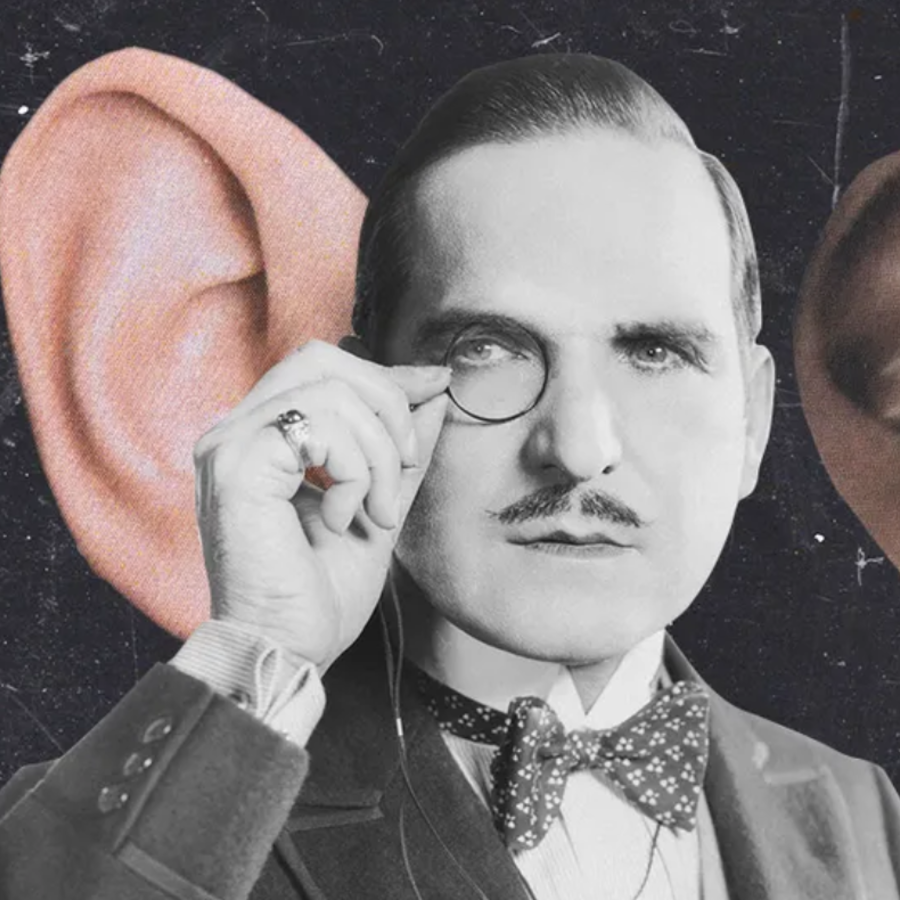
Listening is not the same as hearing.
Most people are already preparing their reply while the other person is still speaking. But real understanding requires a different mindset: interest without haste.
Ask questions.
Clarify.
Observe how a person thinks, not just what they say.
People are not a list of flaws
When we judge too quickly, the brain tends to choose the simplest path: focusing on negatives.
But every person also has another dimension: strengths, values, experiences.
Sometimes all it takes is a shift in focus: not “what’s wrong with them”, but “what’s interesting about them”.
You are not an exception to your own biases
You also have prejudices.
They come from upbringing, past experiences, and environment. And they often work automatically.
But once you recognize them, you begin to regain control.
A second chance is not weakness
First impressions are not always final.
People behave differently depending on their state: stress, fatigue, personal issues.
Giving a second chance means seeing a fuller picture.
A wider social circle = clearer thinking
The more different people you know, the fewer stereotypes you hold.
And you stop dividing people into “understandable” and “ununderstandable”.
Acceptance does not mean agreement
Acceptance does not mean you have to like everything about someone.
It means seeing reality without oversimplifying it too quickly.