A defined body doesn’t necessarily come from living on chicken breast, endless runs, and workouts that leave you completely exhausted. If your goal is to get rid of excess fat while maintaining or even building muscle, you need a much smarter approach.
In fitness, this is often described as getting “lean.” In reality, it’s about body recomposition — gradually reducing body fat while simultaneously maintaining or increasing muscle mass.
And there’s no magic exercise involved. What works is a combination of strength training, balanced nutrition, enough protein, and a moderate calorie deficit.
Forget the Endless Treadmill
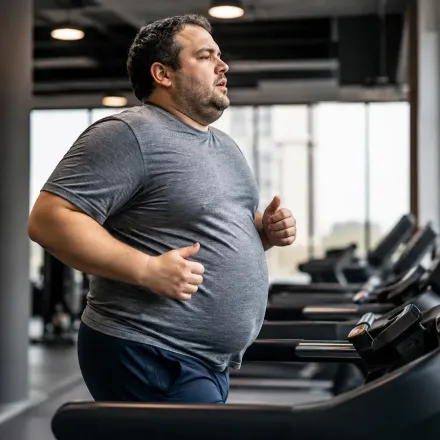
If your first association with losing weight is spending an hour on the treadmill, it’s time to rethink your strategy.
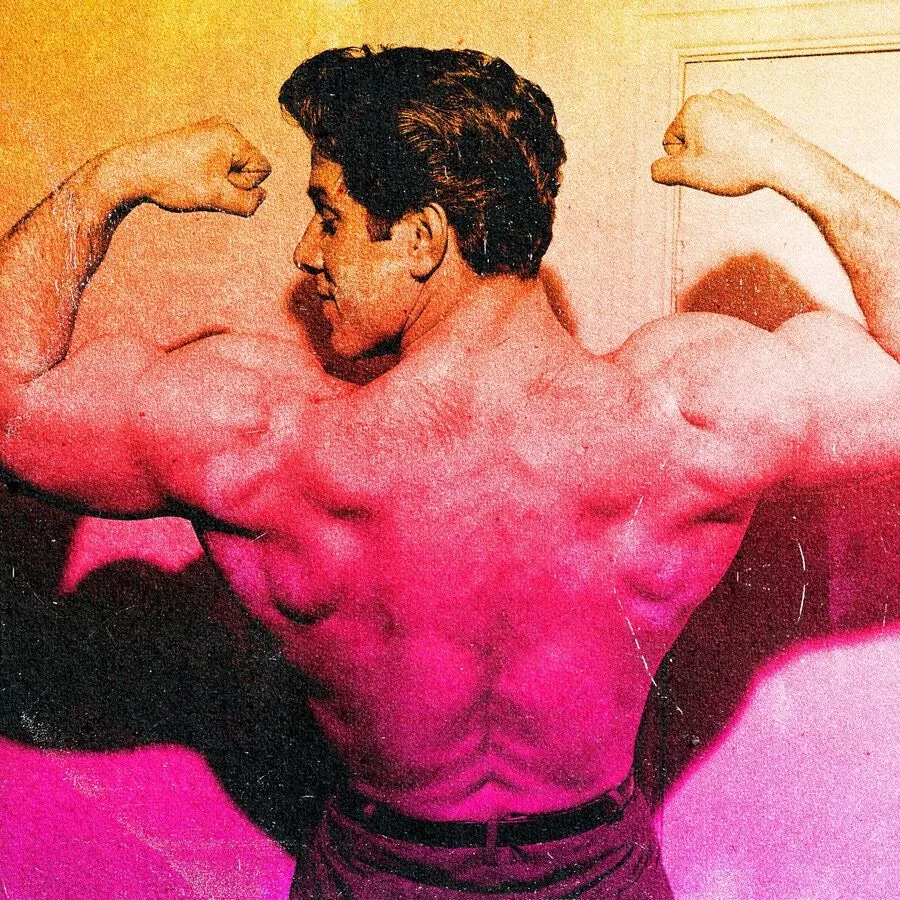
For a defined physique, strength training should be the foundation of your program. The reason is simple: when you lose weight, you need to give your body a stimulus to preserve muscle tissue.
Squats, deadlifts, presses, pull-ups, rows, and other compound exercises allow you to work several major muscle groups at the same time.
There’s another bonus, too. Muscle tissue is metabolically active, so having enough muscle helps your body maintain a higher energy expenditure.
A good starting point is around 3–4 strength-training sessions per week, provided your fitness level and recovery allow for it.
Keep Cardio, but Don’t Turn It Into a Religion
There’s no need to eliminate cardio. It should simply play a supporting rather than leading role.
One practical option is moderate-intensity cardio, particularly Zone 2. This involves sustained activity at approximately 60–70% of your maximum heart rate.
Brisk walking, easy running, cycling, or using an elliptical trainer can be excellent additions to strength workouts.
But you don’t have to turn every workout into a slow-motion marathon. If you enjoy running faster, that’s perfectly fine too. Improving your overall endurance helps your body work more efficiently during physical activity.
The main rule is simple: cardio should support your training program, not interfere with your recovery after strength workouts.
Protein Is Your Main Ally
One of the most common mistakes people make when trying to lose weight is simply cutting their food intake dramatically.
It sounds logical, but there’s a problem: along with fat, your body may also start losing muscle.
That’s why protein becomes particularly important. It is essential for muscle recovery and maintaining muscle tissue.
Your exact needs depend on your weight, body composition, activity level, and goals. As a practical guideline, experts often suggest around 0.8–1.2 grams of protein per pound of your desired body weight (approximately 1.8–2.6 g/kg), although there is no universal number that works for everyone.
Your protein sources can be completely ordinary: eggs, fish, meat, poultry, dairy products, legumes, and other protein-rich foods.
And no, you don’t need to live exclusively on protein shakes.
Your Calorie Deficit Should Be Moderate
This is where the least glamorous, but perhaps most important, part of the story begins.
To lose fat, your body needs to receive less energy than it expends. But that doesn’t mean you need to starve yourself.
For gradual body recomposition, a moderate deficit can be a reasonable target — around 300–500 calories below your maintenance level per day.
Cutting calories too aggressively can negatively affect your workouts, recovery, and overall wellbeing while increasing the risk of losing muscle mass.
The goal is therefore simple: eat slightly less than you burn while still giving your body enough protein, carbohydrates, fats, vitamins, and minerals.
Don’t Underestimate What Happens Outside the Gym
You can spend an hour working out at the gym and then barely get out of your chair for the rest of the day.
And that matters.
Everyday activity — walking, taking the stairs instead of the elevator, going for a walk after meals, or working while standing — also contributes to your total energy expenditure.
That’s why you don’t necessarily need to add another exhausting cardio session every day. Sometimes it’s much easier simply to move more throughout your normal day.
These small habits can make up a significant portion of your overall daily activity.
Why Constantly Switching Between “Bulking and Cutting” May Not Be the Best Idea
The classic approach is familiar to many: first build as much muscle as possible, then drastically reduce calories to get rid of the accumulated fat.
It can work, but it has one obvious drawback — your body is constantly being pushed between extremes.
During a bulking phase, you may gain excess fat along with muscle. During an aggressive cutting phase, you may lose some muscle tissue, experience lower performance, and find yourself constantly thinking about food.
For most people, a slower approach to body recomposition is much more realistic.
Yes, the results may not appear within a few weeks. But you also won’t have to live under constant restrictions.
Your Goal Isn’t to Become Lighter — It’s to Become Stronger and More Defined
The number on the scale can be useful, but it doesn’t tell the whole story.
If you’ve lost fat while simultaneously gaining muscle, your body weight may change very little. Meanwhile, the mirror, your body measurements, strength levels, and the way your clothes fit may reveal much more noticeable progress.
That’s why you shouldn’t judge your results solely by the principle of “a few kilos less.”
Set a different goal instead: less fat, more muscle, better physical fitness, and sustainable habits.
The Formula for a Defined Body Without Going Overboard
If you reduce everything to a few simple rules, the formula looks surprisingly straightforward:
strength training 3–4 times a week + enough protein + a moderate calorie deficit + 1–2 cardio sessions if you want them + daily activity + adequate recovery.
You don’t need to search for a secret exercise, an extreme diet, or the latest fitness magic trick.
The best physique is usually not built with the toughest possible program, but with one you can stick to for months and years.
And that’s the real secret: being in good shape isn’t a short-term project for summer. It’s the result of a system that gradually becomes your normal way of life.