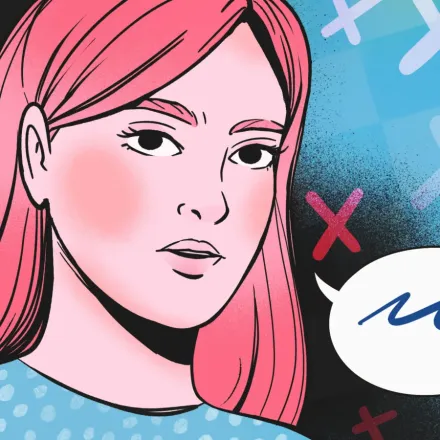
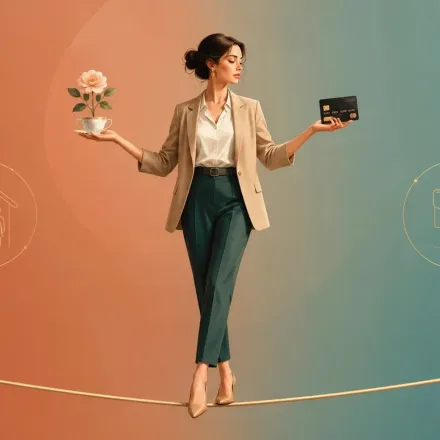
Idealization in a relationship looks beautiful only at the beginning. It feels like you’re inside a movie where she is the “perfect woman” and you finally have all the answers. But real people don’t have a “default perfect mode.” And the longer you live in this illusion, the more you lose contact not only with her, but with yourself.
The problem is that idealization rarely feels like a problem. On the contrary — it disguises itself as love, care, and “I just accept her as she is.” But sometimes you’re not accepting the person — you’re accepting a convenient version of them.
Here are the signs you’re already inside this trap.
You constantly excuse her behavior
Coldness? Manipulation? Emotional distance?
You don’t see a problem — you look for an explanation.
“She’s just tired”, “she’s going through a rough time”, “she doesn’t mean it”.
Where it leads:
You slowly stop listening to your own emotions. Boundaries fade, and things become normal that you once wouldn’t accept.
You wait for her to change
You’re not with the person in front of you.
You’re with the person she “will become later”.
“She’ll understand eventually”, “she’ll change over time”, “love will fix everything”.
Where it leads:
You build a relationship with an idea, not with reality.
Her life becomes more important than yours
You adjust your schedule, cancel plans, and prioritize her mood over your goals.
Where it leads:
You gradually lose yourself in the role of supporting her life.
You fear losing her more than losing yourself
The thought of a breakup makes you anxious even if you’re unhappy.
Where it leads:
The relationship becomes a necessity, not a choice.
You ignore your discomfort
You normalize anxiety and tension as “just how it is.”
Where it leads:
Accumulated emotions eventually explode.
You defend the relationship against common sense
Others warn you, but you automatically take her side.
Where it leads:
You are left alone with your doubts.
You take all the blame
Everything becomes “your fault”.
Where it leads:
Self-esteem drops and real issues remain unresolved.
You’re afraid to express dissatisfaction
You stay silent to preserve the “perfect image.”
Where it leads:
Emotions build up and later explode.
You believe you’d be worse off without her
She becomes your emotional center.
Where it leads:
Emotional dependence develops.
You only see the good in her
You filter reality through rose-colored glasses.
Where it leads:
Reality eventually returns — and hits harder.