A man whose anger is boiling inside is often seen as dangerous or out of control. But in reality, anger is not the enemy. Anger is a natural human emotion and does not make you weak or inadequate. The problem isn’t the emotion itself—it’s how you handle it. The same impulse can either destroy everything around you or become fuel for growth and strength. Let’s explore how to turn anger into a personal tool without harming yourself or others.
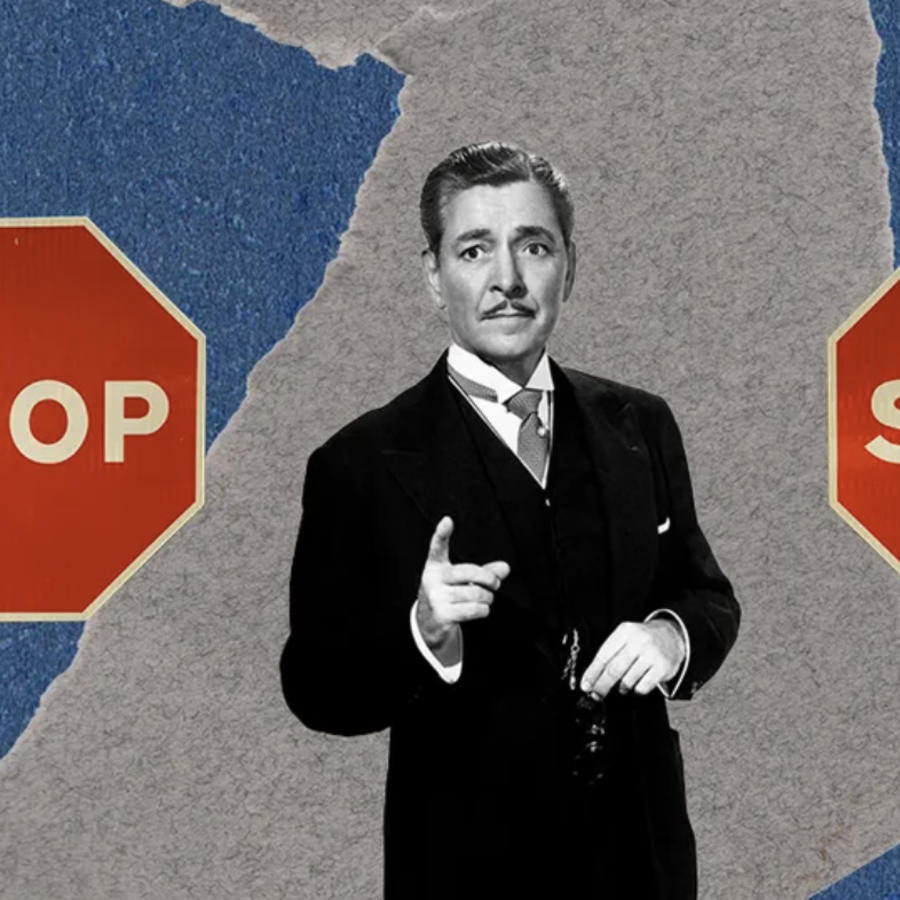
Master the “Stop” Technique
When you feel anger rising, it’s important not to cross the point of no return. The “Stop” technique is simple: physically pause, stop the argument or conversation. Take three deep, slow breaths, holding your breath for a few seconds. Say to yourself: “I’m angry, but I choose to act wisely.” Your brain needs a pause to switch from emotion to conscious behavior. This is the moment when a mature man distinguishes himself from an impulsive one.
Write Down What Hurt You
Suppressed anger doesn’t disappear—it waits for the right moment to explode. Write down everything you think, without censorship, in a notebook or your phone. No one will see it, so don’t hold back. For example:
“I’m furious. My friend canceled our meeting again. It hurts and I’m disappointed. I need to stop being always available.”
When anger is poured onto paper, it loses its destructive power, and you start to understand what really hurt you and what needs to change.
Move Your Body
Anger is adrenaline and cortisol; muscles are tense. If you sit and stew in anger, emotions grow. Do some push-ups, squats, go for a run, take a brisk walk, or do an intense cleaning session. Any movement helps the muscles relax, and as your body calms, so does your mind.
The “Three Questions” Method
When the wave of anger subsides, ask yourself:
- What exactly made me so angry?
- Why did it affect me?
- What can I and want to do about it?
For example: “I got upset because my girlfriend didn’t keep her word. I’m angry because reliability matters to me. I need to discuss my expectations.” A mini-analysis turns the emotion into conscious behavior instead of endless boiling.
Learn to Talk About Anger
Getting angry is not a crime. You can talk about it respectfully toward yourself and others.
“When you interrupted me in the meeting, I felt irritated because it’s important for me to be heard.”
This way, you don’t trigger defensiveness and give a chance for understanding and change.
“Anger Inventory”
Once a week, review when and why you got angry. Note situations, topics, and people who trigger irritation. Over time, you’ll notice recurring patterns and can change either your approach or your behavior.
Turn Anger into Action
Anger is often a reaction to helplessness. But you have a choice: use it to make changes. Annoyed by your reflection? Make a workout plan. Relationship problems? Set boundaries. Angry at yourself? Analyze and act. Direct your energy toward solutions, not blame.
Time-Out Is Your Ally
You don’t have to deal with the emotion immediately. Use the phrase:
“I’m too angry; I need time to talk calmly.”
Take a walk, drink some water, switch your focus. In 10–20 minutes, you can act calmly rather than destructively.
Your Personal “Anti-Anger Kit”
Create a list of actions that help you regain calm: contrast shower, exercise, tea, music, dark-humor videos, or a conversation with an understanding person. Save it in your phone notes—your mini “first-aid kit” for inner explosions.
Watch Your Anger Habits
If anger becomes a constant companion, you lash out at loved ones, live under tension—this is a sign of overload. Therapy is not a weakness; it’s a mature choice that helps you stop living on the edge and improve your relationship with yourself and others.