Fatigue has become such a normal part of everyday life that many men simply accept it as the baseline. Morning coffee, afternoon coffee, another one after lunch — and yet it still feels like the internal battery has long been running on low power mode. But sometimes the problem isn’t lack of sleep or stress. The cause can be much simpler — iron deficiency.
This essential trace element is responsible for transporting oxygen throughout the body. When there isn’t enough of it, the body starts to function as if it’s running at reduced capacity: energy disappears faster, focus declines, and workouts feel more draining than energizing.
Why Iron Matters Even for Those Who Don’t Exercise
Many people mistakenly believe that only professional athletes or those with anemia need to monitor their iron levels. In reality, this mineral is essential for everyone.
Iron is involved in the production of hemoglobin — the protein that carries oxygen from the lungs to all the cells in the body. When iron is lacking, cells quite literally receive less fuel to function.
The first signs of deficiency often seem harmless:
- constant fatigue;
- sleepiness even after a full night’s rest;
- reduced stamina;
- difficulty concentrating;
- worsening physical performance.
Many men attribute these symptoms to age or overwork, even though sometimes all it takes is a simple adjustment of diet.
Ferritin — a Hidden Energy Reserve
If hemoglobin shows how much iron is actively working right now, ferritin reflects your stored reserves for the future.
Think of a car fuel system. Hemoglobin is the fuel in the engine, while ferritin is the reserve gasoline in the tank. When iron intake from food decreases, the body begins to use its stored reserves.
That’s why a person may still have normal hemoglobin levels but already feel exhausted due to low ferritin.
Champions Among Iron-Rich Foods
Iron comes in two forms:
- heme iron (from animal products);
- non-heme iron (from plant-based foods).
Heme iron is absorbed much more efficiently, which is why it is considered a key ally of male energy.
Top Animal-Based Sources
Pork liver is one of the absolute leaders.
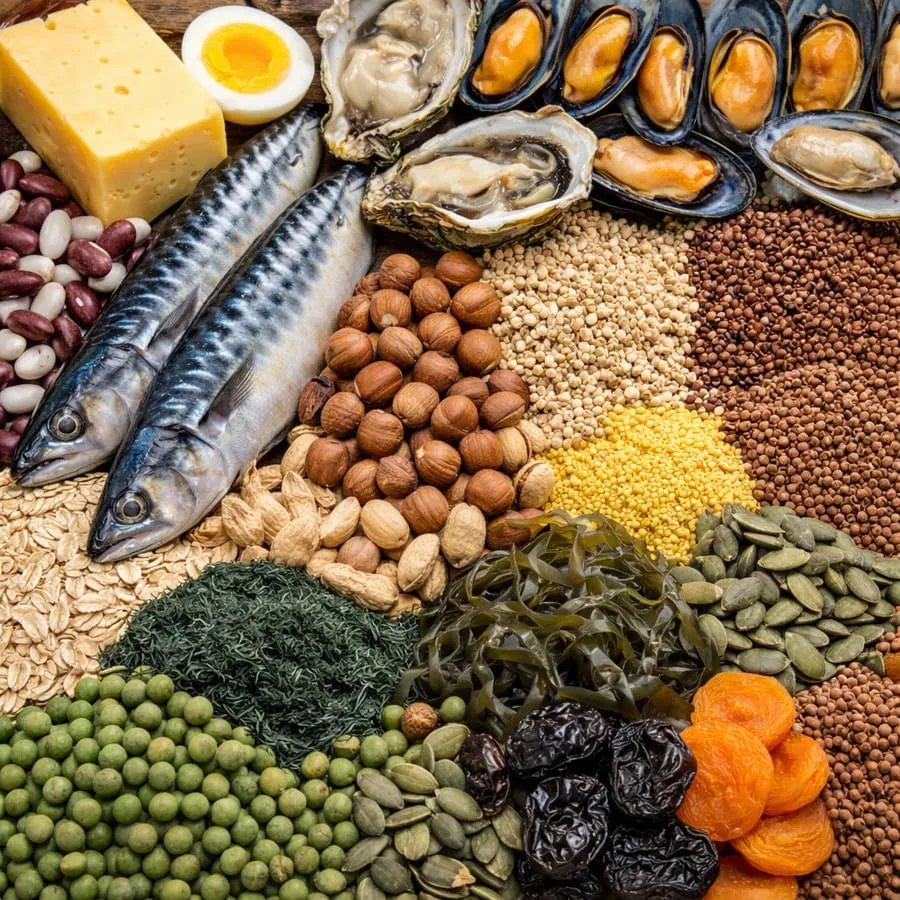
Other iron-rich foods include:
- hard cheese;
- beef liver;
- oysters and mussels;
- egg yolks;
- beef tongue;
- turkey;
- beef;
- mackerel;
- chicken.
Seafood deserves special attention. Oysters have long been considered a “men’s food,” and not only because of romantic myths. They truly contain a significant amount of beneficial micronutrients, including iron.
Plant-Based Sources Can Also Surprise You
Even if you try to reduce meat in your diet, that doesn’t mean you have to give up iron.
Top plant-based sources include:
- beans;
- hazelnuts;
- oat flakes;
- spirulina;
- millet;
- peas;
- seaweed;
- pumpkin seeds;
- dried apricots and prunes;
- lentils.
Dark chocolate also contains a fairly decent amount of iron. Good news for those who consider dessert an essential part of life.
Why Eating Iron-Rich Foods Alone Isn’t Enough
This is where it gets interesting.
The body doesn’t absorb all the iron that ends up on your plate. You can eat the right foods and still only get part of the benefit.
There is a simple way to improve absorption — combine iron-rich foods with vitamin C–rich products.
Ideal partners include:
- citrus fruits;
- bell peppers;
- tomatoes;
- berries.
For example, a salad with beef and sweet peppers will be more effective than the same piece of meat without vegetables.
What Prevents the Body from Getting the Full Benefit
There are foods that can hinder iron absorption.
These include:
- tea;
- coffee;
- milk;
- some dairy products high in calcium.
This doesn’t mean you need to give them up entirely. It just means it’s better not to wash down a liver meal with a large cup of coffee.