There’s a phrase almost every man has said at least once in his life: “Running isn’t for me.” It sounds convincing, almost final. Like a verdict. But the truth is much simpler and far less dramatic: in most cases, the problem isn’t you. The problem is how you started.
And this is not a motivational story. It’s physiology.
Why running feels like torture at first
Many people first meet running at school: fitness tests, a stopwatch, shortness of breath, a burning throat, a stitch in the side, a red face, and one single wish — for it to end as quickly as possible.
After that, the brain draws a logical conclusion: running = discomfort.
Then 10–20 years pass. And a person tries running again — usually for different reasons: fitness, weight, endurance, “I need to start working out.” And everything repeats: too fast, too hard, too painful.
A track and field coach explains it simply: even if a person doesn’t have a natural “predisposition” for running, it doesn’t mean they are not suited for it. It only means the body simply hasn’t been prepared.
Why “I’m not made for running” is a myth
Yes, people have different endurance levels, muscle fiber types, and aerobic bases. But that is not a verdict.
Running works differently: it is not only for the chosen few. It is for those who adapt gradually.
Orlova emphasizes that even if progress is slow, running still:
- trains the heart and blood vessels
- improves endurance
- builds a long-term health foundation for years ahead
And most importantly: the human body is already “built” for movement. The only question is dosage.
The main reason people quit running
It’s not lack of talent. Not “bad shape.” And not even excess weight.
But three simple mistakes.
1. Starting too fast
Most beginners run as if they are taking a timed test. The result: within 3–5 minutes, shortness of breath, heart rate above 160, and a strong urge to stop.
The problem is that this is no longer training — it’s stress for the body.
For most beginners, a “slow pace” is almost walking speed. And that is completely normal.
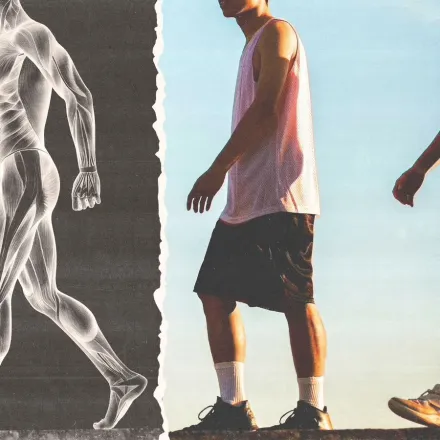
Even slow running activates an important mechanism: the flight phase, when both feet are briefly off the ground. This is what separates running from walking and triggers adaptations in the ligaments and cardiovascular system.
2. Too much volume too soon
Classic mistake: “I’ll run 5 km every day.”
After 2–3 weeks, enthusiasm disappears. After a month, fatigue appears. Then comes injury or a “recovery break,” which often becomes the end of the habit.
The body does not like sudden jumps, especially ligaments, joints, and tendons.
3. Poor timing of meals
A heavy meal before running often leads to cramps and an unpleasant feeling in the stomach. It’s not dangerous, but it is uncomfortable.
How to start running without quitting after the first session
This is where the important part begins. Because the start changes everything.
Start with walking (seriously)
The first 1–2 sessions are simply 20–30 minutes of brisk walking. No pressure, no pace goals.
You are simply getting your body used to movement.
Then run “like you walk”
Ideal structure:
- 3 minutes of very slow running
- 2 minutes of walking
- repeat 5–6 times
Or even simpler: 1 minute running, 4 minutes walking.
The goal is not speed. The goal is to avoid stressing the body.
Simple rule: you should be able to talk
If you can talk while running, you are at the right pace. If you can’t, you are going too fast.
This is called “conversational pace,” and even experienced athletes use it for about 80% of their training.
How to start enjoying running
1. Slow progress is an advantage
After 2–3 months, you’ll notice breathing becomes easier, your legs feel lighter, and distances feel less intimidating.
That’s when the real enjoyment of running begins.
2. Shoes matter more than you think
You don’t need professional models. You need comfort.
Simple rule: if they feel like house slippers, they’re the right ones.
3. Music is a legal cheat code
The right playlist really reduces fatigue. The brain shifts from “this is hard” to “this feels good.”
4. Running with others is stronger than willpower
People rarely quit when they are part of a community.