Some things never go out of style. They simply wait for the right moment to step back into the spotlight. Sony has decided to remind everyone who remembers cassette players, favourite albums and the kind of music you could take with you wherever you went.
In a world where wireless headphones compete for every last minute of battery life and manufacturers are constantly coming up with new ways to connect, Sony is taking an unexpected step backwards while confidently looking ahead. The Japanese company has revived the iconic Walkman headphone design with its MDR-3R model. This is more than just an attempt to cash in on nostalgia. It is a return to an era when music was personal and headphones were an essential part of individual style.
A Design from the Past That Still Has Character
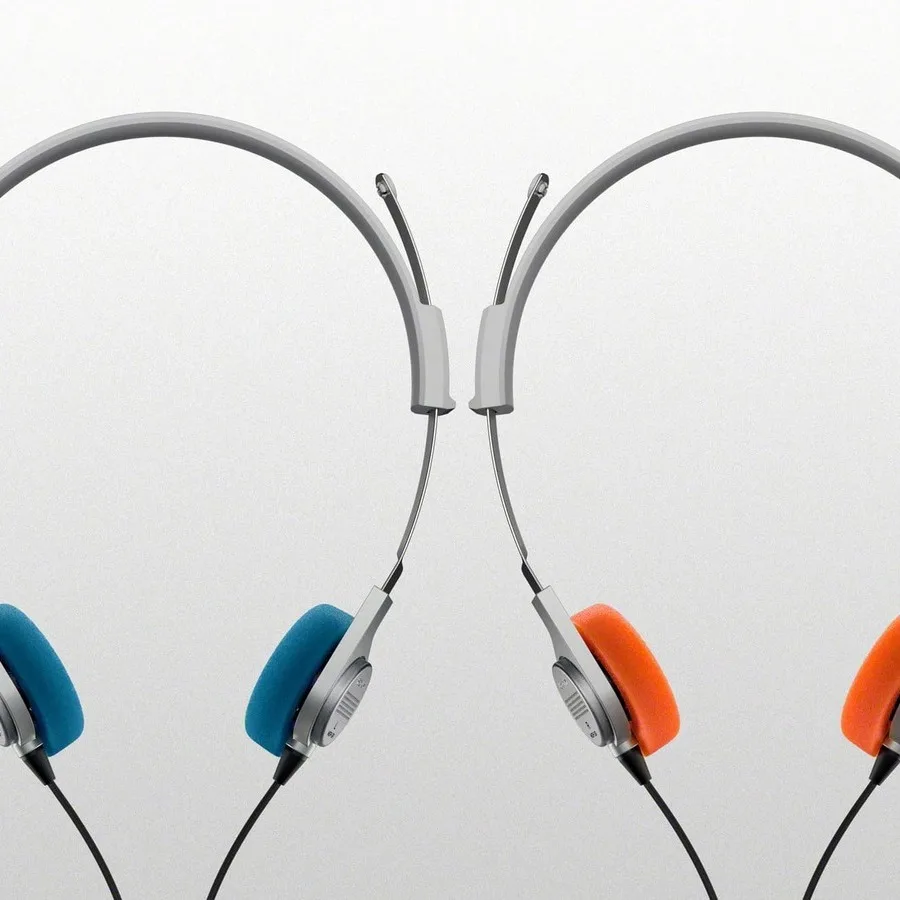
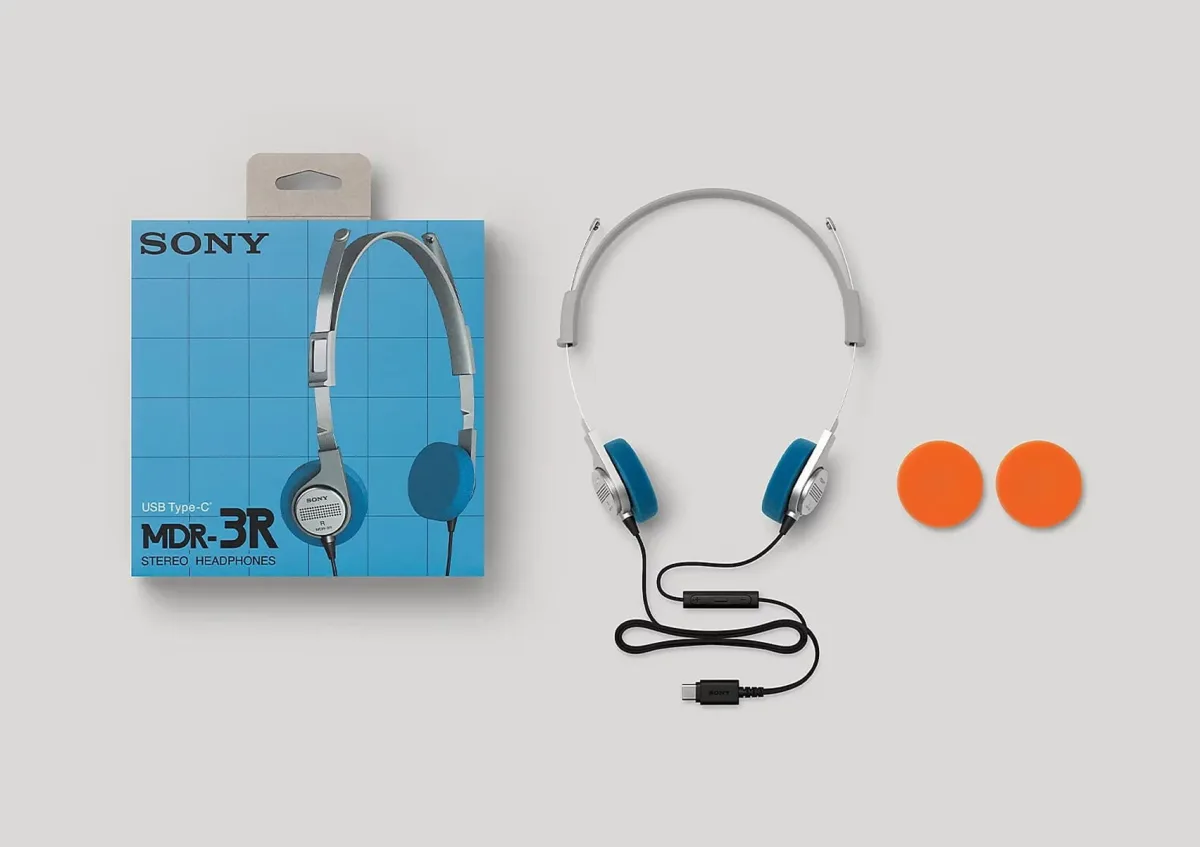
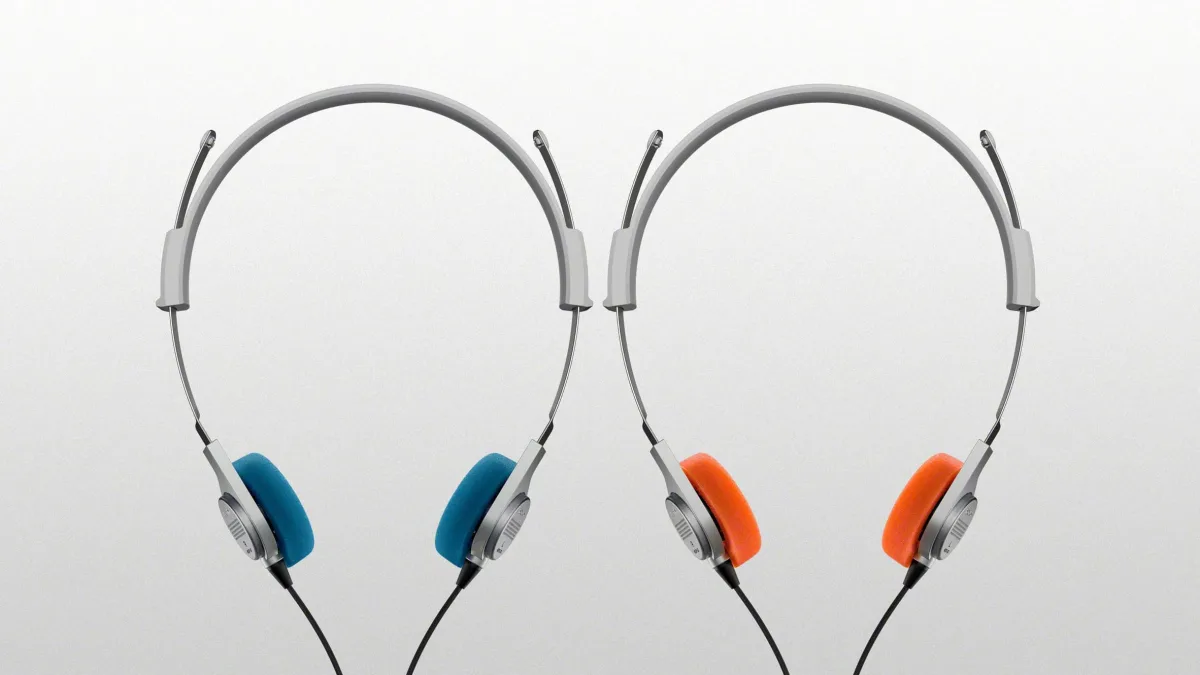
If you remember the first portable Walkman cassette players, the new MDR-3R headphones will give you an immediate sense of déjà vu. Their slim headband, sliding metal arms and compact ear pads closely reproduce the look of the original MDR-3s model, which debuted alongside the first Walkman in 1979.
There are no unnecessary details or flashy technological flourishes here. The slim construction looks light and understated, while the metal elements give the headphones that unmistakable retro character so highly valued by fans of vintage design today.
One particularly appealing detail is the set of interchangeable foam ear pads, available in different colours. They bring back the headphones’ instantly recognisable 1980s look while allowing users to personalise the accessory. At a time when most gadgets seem to look alike, a detail like this has a charm of its own.
USB-C Instead of Cassette Romance
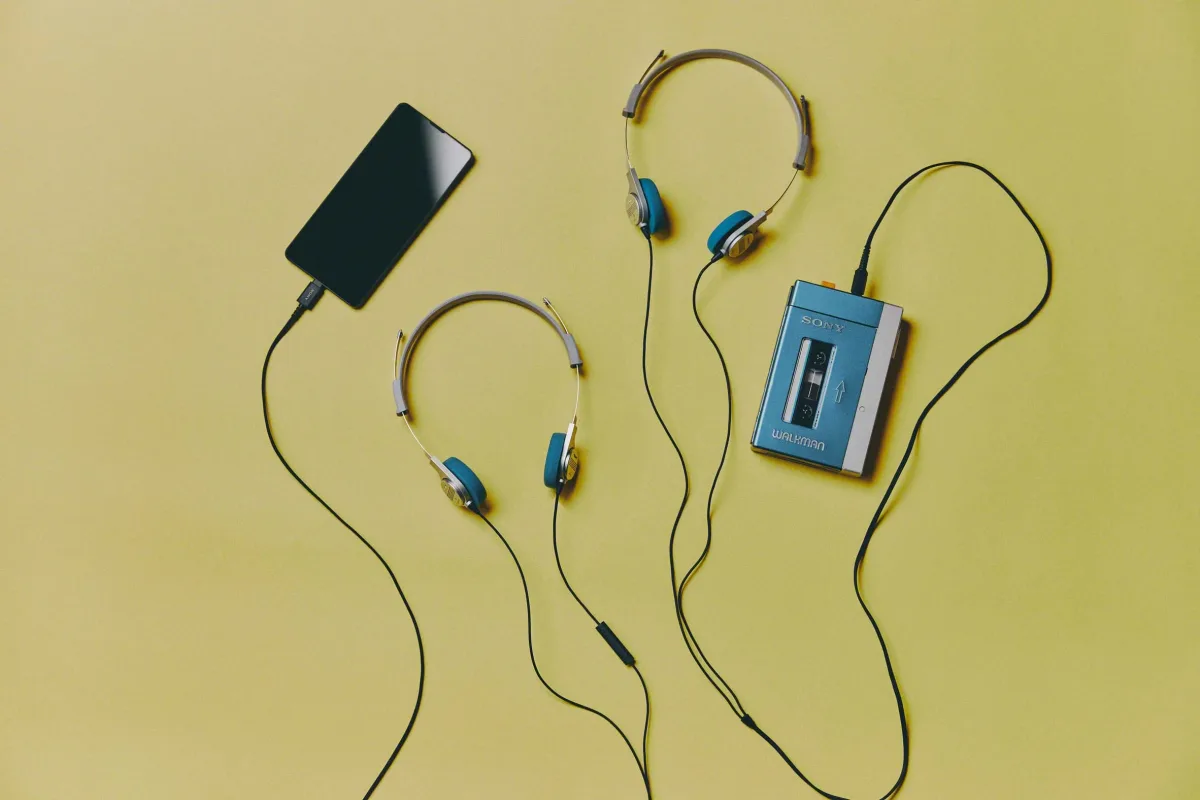
Of course, Sony has no intention of turning its latest release into a museum piece. The main modern upgrade is a USB-C connector, allowing the MDR-3R to connect to most current devices equipped with the corresponding port.
So this is not simply a reproduction of a pair of headphones from the past. It is an attempt to adapt a familiar design to modern digital life. No searching for a charging case, no waiting for the headphones to pair with your smartphone. Just plug in the cable and press play.
That very simplicity is once again becoming an advantage. Sony points out that users are rediscovering wired headphones: they do not need charging or wireless pairing with a device. Simply plug them in and enjoy your favourite tracks.
Why Are Wired Headphones Back in Fashion?
Not so long ago, cables seemed like relics of the past. Wireless models became symbols of freedom: no wires, greater mobility and convenience on the go or at the gym. But those advantages also brought a few new frustrations — charging, connection issues, compatibility concerns and the risk of losing one of the earbuds.
Now the pendulum is gradually swinging in the opposite direction. Wired headphones are once again becoming a distinctive style accessory, and their straightforward construction is no longer seen as a drawback but as a deliberate choice.
There is something pleasantly rebellious about it. While everyone else is trying to get rid of cables, you simply plug in your headphones and listen to music. No unnecessary settings, no technological rituals.
Walkman: More Than Just a Music Player
The original MDR-3s headphones became part of the history of portable music. They appeared at a time when the Walkman transformed the very way people listened to music. Favourite songs were no longer tied to a home stereo system or a car radio. Music could accompany you on a walk, on public transport or on your way to work.
The Walkman is associated with an entire cultural image: a cassette in your pocket, headphones on your head, your gaze drifting out of a bus window and a personal soundtrack to an ordinary day. For some, these are cherished personal memories. For younger generations, they represent an aesthetic being rediscovered through vintage clothing, analogue technology and retro design.
That is precisely why the return of the MDR-3R feels so natural. Sony reminds us that truly successful design does not need to be constantly reinvented. Sometimes, all it takes is preserving what has worked for decades and adding one important modern detail.
Nostalgia with a Practical Purpose
The MDR-3R is an interesting example of how the past can fit seamlessly into the present. Its main appeal is not an attempt to impress users with a long list of features. Instead, Sony is betting on a recognisable silhouette, straightforward connectivity and an aesthetic that has survived several generations of technology.
These are headphones for people who value more than just technical specifications. They appreciate the character of the things they own. They prefer a gadget with a distinct personality over yet another anonymous accessory. And they believe that good style does not need constant reinvention.
Sometimes, the best technological innovation is simply remembering why we fell in love with technology in the first place. Sony brings the Walkman back in a new form and proves that a cable does not have to be a symbol of the past. It can still be a thoroughly modern statement of personal style.