In life, there are moments after which it feels like you’ve turned the page — but in reality, it’s not a new chapter, it’s a completely different book. A breakup, the loss of a loved one, illness, relocation, the collapse of plans you had invested everything in. In such periods, the world doesn’t just change — it pulls the ground out from under your feet.
And the most dangerous part is not the event itself. It’s the inner feeling: “nothing normal will ever exist again.”
But the truth is different: life doesn’t end. It simply becomes different. And the only question is whether you will learn to live in it.
Allow yourself to feel the loss
The first thing you want to do after a shock is “pull yourself together,” pretend everything is fine, or shut off your emotions. But that’s a trap.
Grief is not weakness or a system failure. It is a normal response to losing something important: a person, a future, a role, a dream, stability.
You can be angry, silent, shout, withdraw, or talk it out. Everyone has their own way. And none of them is “right” or “wrong.”
The strong are not those who feel nothing. They are those who don’t run away from what they feel.
See what you still have
When the first wave of pain settles, something else appears — important, but often invisible.
You suddenly realize life hasn’t disappeared completely. It has simply narrowed down to pain.
But somewhere there are still friends, work, skills, routines, small things that keep you afloat.
And this is not “comfort.” It is a foundation. One you can build on — even when it feels like there’s nothing left to build.
Regain a sense of control
When reality falls apart, the mind looks for something stable. And it’s important not to get stuck in helplessness.
Ask yourself simply: what can I actually do right now?
Not “fix my life.” But concrete things: who to talk to, what to resolve, what to step away from, who to ask for help.
Control in these moments is not about big decisions. It’s about small actions that return the feeling that you still have some agency.
Don’t demand quick recovery
It’s tempting to “skip” the pain. To be strong on schedule. To return to life as before — just faster.
But it doesn’t work that way.
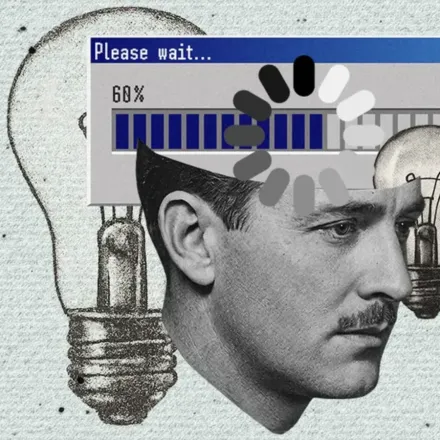
You are not a machine that can be restarted. You are a person rebuilding from within.
And this process does not tolerate rush. There are no deadlines. Only the pace you can handle today.
And that is enough.
Look for new opportunities where you didn’t expect them
Irreversible changes take something important — but sometimes they also open doors you would never have opened yourself.
A breakup can bring freedom. Losing a job can push you toward something of your own. A move can become a fresh start.
This is not romanticizing pain. It’s understanding that reality is often bigger than our plans.
And sometimes life breaks the script just to show a different one.
Learn flexibility
People who handle change best are not the strongest. They are the most flexible.
They adapt, change direction, try new things, without clinging to a single version of “how things should be.”
Flexibility is not chaos. It is the ability not to break when reality and expectations don’t match.
Don’t go through it alone
A common mistake is: “I can handle this on my own.”
But in difficult periods, isolation only increases internal pressure.
Sometimes a single meaningful conversation or someone else’s similar story provides more support than dozens of internal monologues.
You don’t have to carry everything alone. This is not a test of solitude.
Keep moving, even slowly
The most dangerous thing after a major shock is stopping.
When life shrinks to thoughts and pain, movement becomes medicine. Any movement: work, sports, daily tasks, learning, new activities.
Not for “success.” But so you don’t get stuck inside your own state.
Because even slow movement is still movement.
Acceptance is not defeat
Accepting change does not mean giving up.
It means honestly recognizing: “my life has changed, and I am learning to live under new conditions.”
And that is where real maturity begins.
Not in avoiding pain. But in going through it without losing yourself.
Because you are not what happened to you.
You are the one coming out of it.