Some habits make you stronger. Others quietly steal your energy, focus, and confidence. Anxious habits fall into the second category. They don’t seem dangerous: a cup of coffee, endless scrolling, “just one more thought.” But it’s these small actions that keep you constantly on edge.
The good news: it’s not your character, and it’s not a life sentence. It’s a pattern. And any pattern can be rewritten.
How Anxiety Becomes a Habit
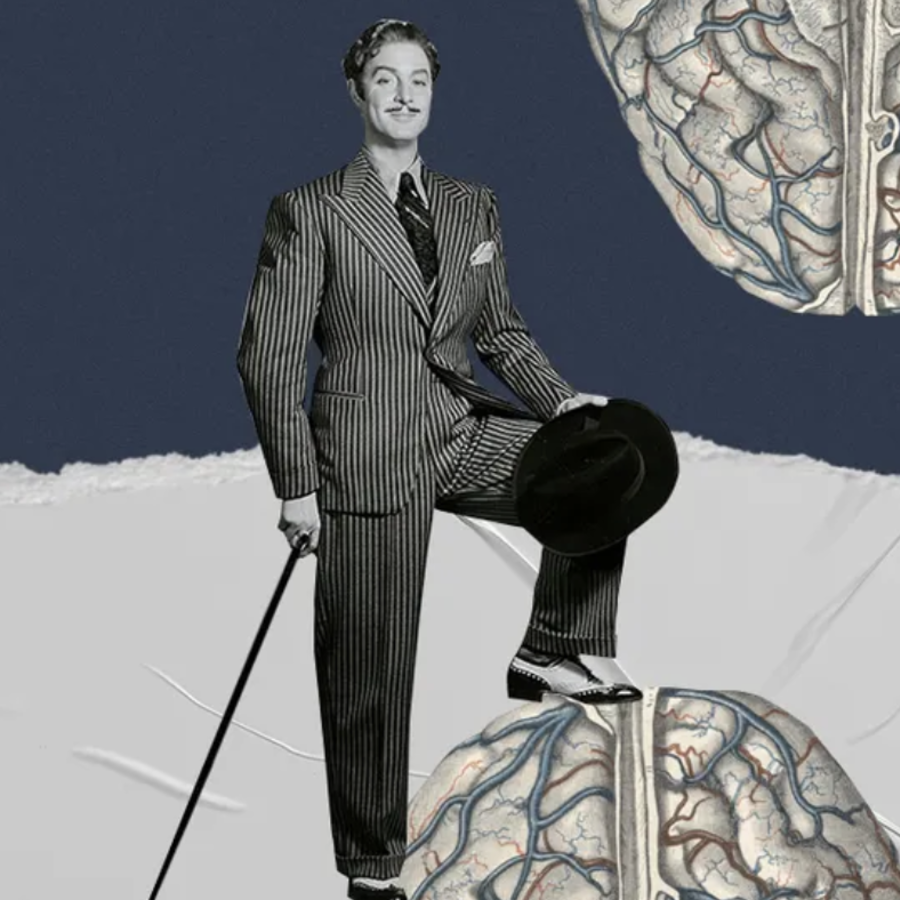
The male brain is pragmatic. It looks for quick solutions. Stress? Find a way to reduce it. Fast and with minimal effort.
The problem is that “quick” rarely equals “effective.”
- Overloaded at work – grab your phone.
- Nervous – pour a coffee.
- Feeling tense – binge on shows or scroll through news.
For a moment, it feels better. The brain notes: “Oh, that works.”
Next time, it suggests the same solution.
This starts the cycle:
Trigger → Reaction → Short Relief → Repeat.
Eventually, you stop choosing – you just act. Automatically.
The Most Dangerous Illusion
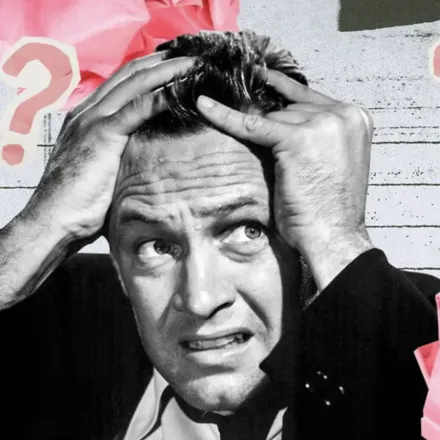
The main trap of anxious habits is the feeling that you’re “doing something.”
You think, analyze, run scenarios…
But in reality, you’re standing still.
Anxiety gives the illusion of control.
But it’s not control. It’s noise.
The more noise, the less clarity.
Two Types of Habits That Hold You Back
1. External
Everything you do with your hands to mask anxiety:
- Endless scrolling
- Stress eating
- Binge-watching shows late into the night
- Even sports, if it’s an escape rather than growth
They give a quick effect.
But they bring you back to the same place – only more exhausted.
2. Internal
This is where the real mind game begins:
- Ruminating over situations
- “What if…” thinking
- Constant self-analysis
- Harsh self-criticism
It may look like trying to figure things out.
In reality – it’s a vicious cycle.
You think you’re looking for a solution.
But you’re actually reinforcing anxiety.
Why You Keep Doing It
Because the brain remembers not the result, but the feeling of relief.
Even if an hour later you feel worse, it remembers:
“For a minute it felt better – so we repeat it.”
This is the mechanism of habit.
How to Break the Cycle
No magic. Only practical steps.
1. Catch the Moment
Break the habit into three parts:
- Trigger (what started it)
- Action (what you did)
- Result (what you felt)
Start noticing.
Without this, you’ll always be on autopilot.
2. Don’t Run – Observe
When anxiety hits, don’t rush to suppress it.
Notice:
Tension in your body, your breath, your thoughts.
A simple but powerful shift:
You’re no longer inside the reaction – you start seeing it.
3. Replace, Don’t Remove
You can’t just “stop.”
You need to replace:
- Instead of phone – breathing or movement
- Instead of rumination – short action (walk, water, exercise)
- Instead of harmful habit – neutral habit
The brain needs an alternative.
4. Introduce a Pause
10 seconds before reacting.
Just 10.
That’s enough to:
- Break the automatic pattern
- Activate control
- Make a different choice
5. Create Your Anchor
Find an action that “centers” you:
- Deep breathing
- Shoulder movements
- Short walk
Repeat it – and your brain will start linking it to calmness.
6. Remove Unnecessary Triggers
If your phone is a problem, put it out of reach.
If coffee is a trigger, limit access.
The harder it is to reach the habit – the less often it gets activated.
7. Don’t Expect Perfection
You will slip up. And more than once.
It’s normal.
The difference between weakness and growth comes down to one thing:
Do you get back into the process?