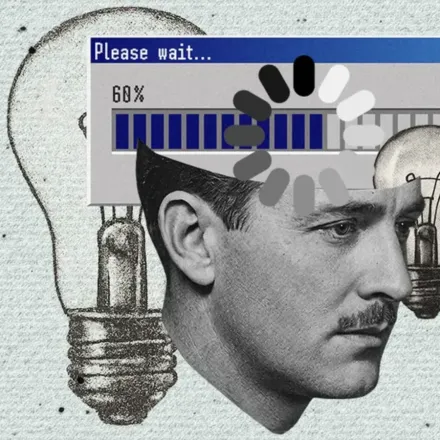
In the men’s world, being able to realistically assess risks is important. But when fear and negativity start dictating your life, it stops being useful and becomes a psychological trap. Here are ten signs your mind is working against you, and it’s time to change your perspective.
You Interpret Neutral Situations as Negative
Friend not responding to a message? Boss didn’t greet you? If you immediately assume it’s your fault, that’s a pessimist’s habit. The brain fills in missing details in the worst possible way. Often, this stems from childhood trauma or criticism.
You Frequently Use Absolute Words: “Never” and “Always”
“I always mess everything up,” “Nobody understands me”—these phrases make thinking black and white. Any mistake becomes proof of your inadequacy, while successes are ignored. Life is far more complex than “all or nothing.”
You Don’t Believe Good Moments Can Last
Yes, difficulties come and go. But if joy is seen as temporary and suffering as permanent, your mindset creates a pessimistic reality. At a party, you think about when the fun will end; in a relationship, you look for a catch—feeding your anxiety.
You Suspect Hidden Motives in Everyone
Colleague helps? Boss compliments you? A pessimist sees a hidden agenda everywhere. People are different, and not everyone plays double games. Constantly seeking threats steals the joy of connection and trust in others.
You Rehearse Conflicts That Don’t Exist Yet
Preparing arguments before a conversation is normal, but pessimism turns it into endless conflict scenarios. You waste energy on imaginary disputes and approach people tense, even though no real threat exists.
You Only Think About What Could Go Wrong
Planning a trip? You first imagine rain, car breakdowns, lost reservations. The brain searches for danger, and even pleasant events feel threatening. You watch the sunset, but think about tomorrow’s rain.
You Filter Events Through Negativity
Good moments pass unnoticed, while failures stick in your memory. In a presentation, you remember one mistake and forget dozens of successful lines. In relationships, you focus on problems, and happy moments are attributed to chance.
You’re Convinced Efforts Are Useless
“Why bother? Nothing will change anyway”—this is learned helplessness. If you believe you don’t control your life, you stop trying. Every action feels pointless, and inaction reinforces pessimistic thinking.
You Undervalue Your Achievements in Advance
Even if you accomplish something, pessimism devalues the result: “Just got lucky,” “The boss didn’t expect much.” Met someone new? You think they’ll soon lose interest. This mindset undermines confidence and robs you of the satisfaction of success.
You See the World as a Hostile Place
News seems like proof of decline, the future feels uncertain and dangerous, and neutral events are interpreted as threats. You live in a constant state of defense, as if the world is ready to strike at any moment, and it drains your energy.