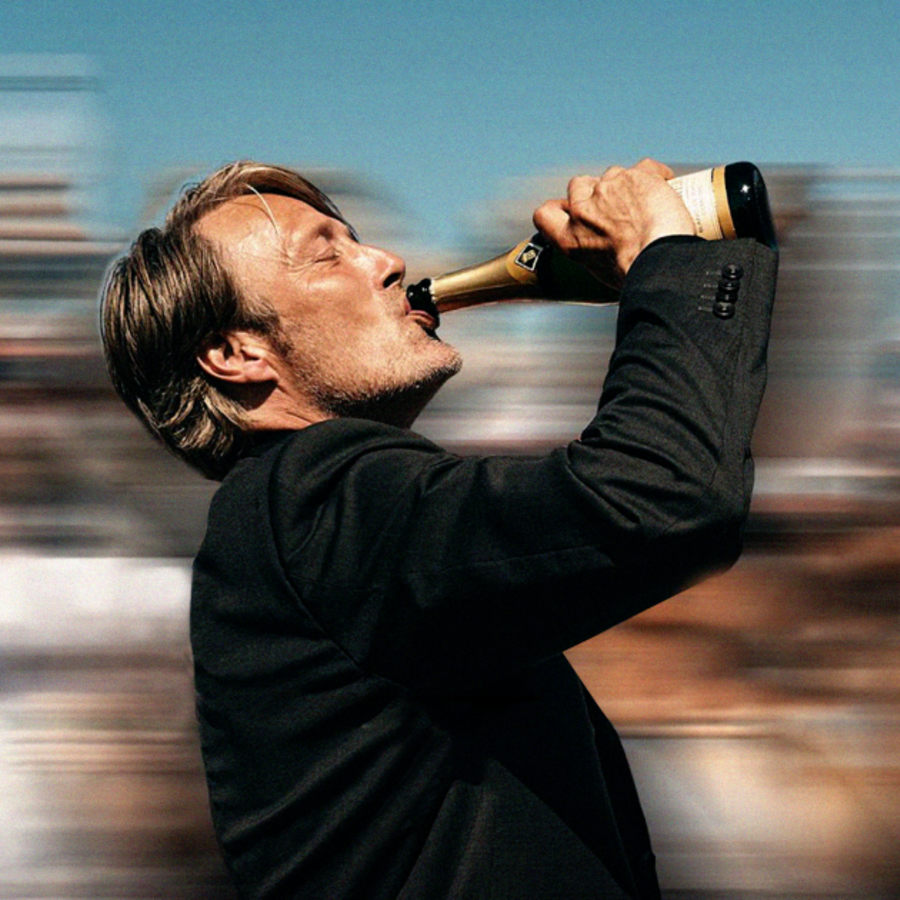
Alcohol is a strange thing. It’s not just a drink, not just something you have at parties or a way to “relax after a long day.” It’s a tiny chemical conductor that changes how we feel, think, and perceive reality within minutes.
And the most interesting part: the brain loves it. Sometimes too much.
Pleasure without effort: the reward system at work
When you drink alcohol, the brain activates an ancient reward system. Ethanol triggers dopamine release — the neurotransmitter that says: “this felt good, do it again.”
A simple loop forms:
drink → feel better → brain remembers → desire returns
At the same time, the brain releases natural morphine-like chemicals that create relaxation and mild euphoria.
No wonder the brain learns this effect quickly.
Anxiety on pause: alcohol as a “noise filter”
Imagine your brain as a room full of overlapping radio stations: thoughts, worries, plans, doubts.
Alcohol enhances GABA activity — the main inhibitory neurotransmitter. In simple terms, it lowers the volume of internal noise.
The problems don’t disappear — they just become quieter.
The world becomes simpler – and riskier
Alcohol also reduces glutamate activity, which is responsible for focus and critical thinking.
- thoughts become simpler
- doubts fade
- people seem nicer
- life feels easier than it really is
The brain “removes filters.” The world feels better — but also distorted.
Why it can become reinforcing
With regular use, the brain adapts.
- “drink → feel good” weakens
- “don’t drink → feel bad” strengthens
Alcohol stops being pleasure and becomes a way to restore normality.
A surprising player: the gut
Modern research shows the gut also plays a role.
Trillions of bacteria influence stress, mood, and brain function.
Imbalance can increase stress, and alcohol becomes a temporary escape.
More than habit
Specific brain proteins can increase how strongly alcohol is perceived as a meaningful stimulus.
That’s why cravings differ between people.
The paradox
Alcohol:
- creates pleasure
- reduces anxiety
- simplifies reality
- and reinforces its own desire
This is not just willpower — it’s brain chemistry.