There comes a moment when you suddenly realize: your body no longer forgives chaotic eating. Late-night burgers, sugary “energy drinks”, snacks grabbed on the run — all of it starts working against you, quietly but steadily. And this is exactly where a concept inspired by Northern peoples steps in.
The Nordic diet is not just another “Instagram fitness trend”. It is a nutritional system born from a harsh climate, simple food, and — according to research — the physiology of people who survived for centuries where others simply wouldn’t.
And yes, today it’s considered one of the most practical ways to bring order to your diet without extremism.
Why everyone suddenly talks about “Viking food”
Scientists have long been asking an interesting question: how did Scandinavian populations become so physically strong? The answer, as usual, is not magic — it’s on the plate.
According to nutritionist and physiologist Dr. Colin Robertson, we’ve reached a point where industrial food is no longer just convenience — but a risk factor. Ultra-processed products, hidden sugars, additives, microplastics — this is no longer theory, but data.
Against this backdrop, the Nordic model looks almost provocatively simple:
clean food, understandable fats, minimal unnecessary noise.
What the Nordic diet actually is
In simple terms, it’s the Scandinavian version of the Mediterranean diet — but with a colder character.
The foundation is the same: whole foods, seasonality, minimal processed products. But there are key differences that change the whole picture.
Fats: rapeseed oil instead of olive oil
Instead of the classic Mediterranean focus on olive oil, the Nordic diet more often uses rapeseed oil. It provides a more balanced ratio of omega-3 to omega-6 fatty acids and contains less saturated fat.
In plain terms: this is not about dieting for the sake of dieting — it’s fuel that doesn’t overload the system.
The fish that makes you more “northern”
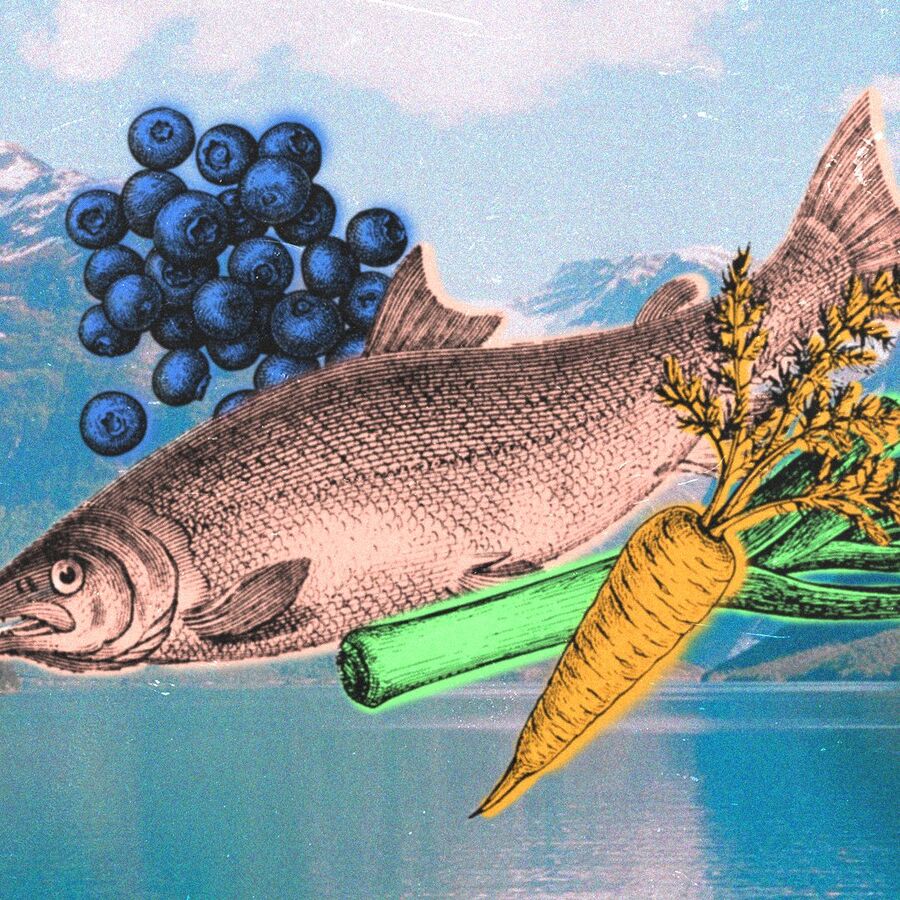
While the Mediterranean diet prefers leaner fish like sea bass or cod, the Nordic version focuses on fatty fish:
- salmon
- mackerel
- herring
- anchovies
And it makes sense: these foods are rich in fatty acids linked to heart health, recovery, and energy levels.
Simply put — this is food that doesn’t just fill you up, but rebuilds you after overload.
Unpolished vegetables: root crops instead of “empty salads”
There’s no attempt here to make food look pretty.
The Nordic diet chooses honest food:
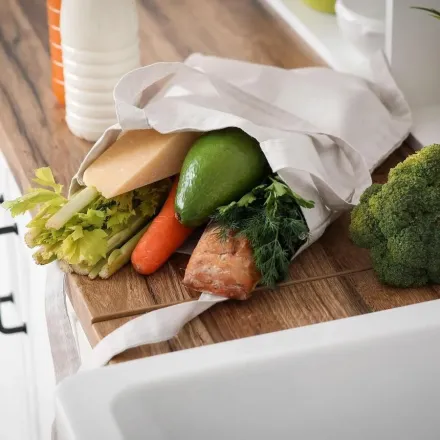
beetroot, carrots, turnips, potatoes, cabbage.
This is not “Instagram food”. It’s a stable energy base.
Plus berries:
blueberries, raspberries, strawberries.
And no — they are not dessert. They are part of recovery and the microbiome system.
The secret rarely talked about: your gut matters more than abs
One of the key effects of this diet is its impact on the microbiome.
Fermented foods, whole grains, and fiber act like an internal ecosystem that performs better when you stop feeding it constant sugar and ultra-processed food.
And this is not abstract. It means:
- more stable energy
- fewer post-meal crashes
- steadier mood
- better appetite control
Why it works right now
We live in an era where food is extremely convenient — and equally aggressive toward the body.
And here’s the paradox: the simpler the return to real food becomes, the stronger the results.
The Nordic diet doesn’t require religion, strict rules, or perfect control. It requires something else: common sense.
Not “all or nothing”, but: “what can I add to this meal to make it cleaner?”
How to start without extremes
The most important idea: you don’t need to become “100% Scandinavian”.
Start small:
- add a root vegetable to every meal
- replace part of your meat intake with fish 2–3 times a week
- introduce whole grains (oats, rye, barley)
- add berries instead of sugary desserts
That’s it.
No radical moves. No “new life starting Monday”.