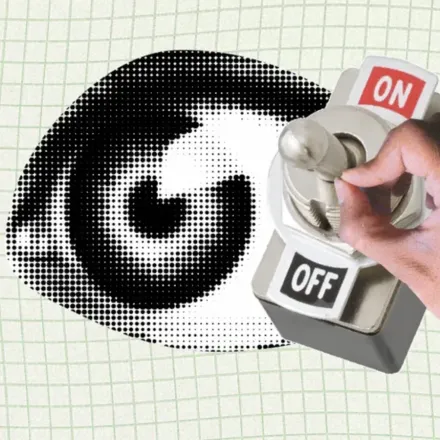
The nine-second method, associated with communication advice from attorney and communication expert Jefferson Fisher, is based on a simple idea: pause before responding in a tense situation. Nine seconds can help you regain control of your emotions, choose your words more carefully, and prevent a disagreement from turning into a full-blown argument.
1. The Nine-Second Rule: Don't Respond Immediately
When someone provokes you, your natural instinct may be to defend yourself right away. But an impulsive response can make the situation worse. Pause, take a breath, and ask yourself what you want to achieve with your reply.
This isn't about ignoring the problem or suppressing your feelings. It's about not letting someone else dictate how you react.
Try saying: "I want to make sure I understand you before I respond. Give me a moment to think about it."
2. When You're Arguing With Your Partner
In relationships, arguments often arise not just because of what is said, but because of how it is said. Accusations like "You never listen to me" or "You always do this" can quickly put the other person on the defensive.
Instead of looking for someone to blame, talk about your feelings and what you need. Listening doesn't mean agreeing with everything. It means trying to understand before passing judgment.
Try saying: "I don't want us to argue just to figure out who's right. I want us to find a solution that works for both of us."
3. When You Have a Difficult or Toxic Boss
At work, responding aggressively can have consequences. But that doesn't mean you have to put up with humiliating comments or unreasonable demands. The key is to set boundaries calmly and professionally.
Avoid getting drawn into a power struggle. Ask for specific examples, clarify expectations, and keep the conversation focused on the facts.
Try saying: "I'm willing to discuss how I can improve my work. It would help if we focused on specific examples and the steps I can take moving forward."
4. When a Coworker Interrupts You or Starts Gossiping
Constant interruptions can make you feel as though your opinion doesn't matter. Workplace gossip, meanwhile, can create misunderstandings and damage professional relationships.
You don't need to respond with sarcasm or join conversations that could hurt someone else. You can politely reclaim the floor and make it clear that you don't want to participate in rumors.
Try saying: "Let me finish my thought, and then I'd be happy to hear your perspective."
If the conversation turns into gossip, you can add: "I'd rather speak directly with the person involved than jump to conclusions without knowing the whole story."
5. When Your Neighbors Are Too Noisy
Constant noise can test anyone's patience. However, showing up at your neighbor's door in anger or immediately making accusations is unlikely to help you reach an agreement.
Explain the problem clearly and specifically, without insults or sweeping accusations. If possible, suggest a practical and reasonable solution.
Try saying: "Hi, I wanted to mention that I've been hearing quite a bit of noise lately, especially in the evenings. Could we find a way to keep things quieter during quiet hours?"
6. When a Friend Says, "I'm Just Joking"
Sometimes people make hurtful comments and then excuse them by saying they were only joking. You don't have to laugh at something that makes you uncomfortable just to prove you have a sense of humor.
Express your boundary without attacking the other person. You can acknowledge that they may not have meant any harm while still explaining how their comment made you feel.
Try saying: "I understand that you may have meant it as a joke, but it didn't feel good to me. I'd appreciate it if you didn't make comments like that again."
7. When Family Conflicts Bring Up Old Wounds
Family arguments can become especially emotional because they're rarely just about the issue at hand. Old memories, past accusations, and years of unresolved hurt can quickly enter the conversation.
Try to stay focused on the current issue instead of using past mistakes as ammunition. If emotions run too high, suggest taking a break and returning to the conversation when you're both calmer.
Try saying: "I know there are things from the past that still hurt us, but I'd like us to talk about what's happening now without hurting each other even more."
8. When Your Parents Criticize Your Choices
Criticism from parents can affect us even well into adulthood. Sometimes it comes from a place of concern, but that doesn't mean you have to accept every opinion or justify every decision you make.
You can appreciate their concern while reminding them that you have the right to choose your own path.
Try saying: "I know you care about me, and I appreciate your advice. Still, I need to make this decision for myself and take responsibility for the consequences."
9. Not Every Argument Is Worth Winning
Before getting into an argument, ask yourself whether it's really worth it. Is resolving the issue important? Is there something you can learn? Or are you simply trying to prove that you're right?
Choosing not to respond to every provocation isn't a sign of weakness. Sometimes, walking away from an unproductive argument is the smartest decision you can make. You can stand by your beliefs without raising your voice and set boundaries without humiliating anyone.
True Victory Means Being in Control of Yourself
The nine-second method isn't a magic formula, and it doesn't guarantee that the other person will change their behavior. It's a practical way to create a small space between what happens and how you respond.
The next time a conversation becomes tense, pause, take a breath, and choose your words intentionally. You can't always control how other people behave, but you can decide how you respond.
And remember: if a situation involves threats, intimidation, or physical violence, your safety should come first. Seek help and support rather than trying to win the argument.