But there's a catch. Almost every major technological breakthrough comes with unintended side effects. Sometimes they're so significant that you start to wonder: have we really made our lives better, or have we simply traded old problems for new ones?
Here are five inventions that did an excellent job of solving their original problems while creating a whole new set of unexpected challenges.
1. The Car: Freedom of Movement That Ends in a Traffic Jam
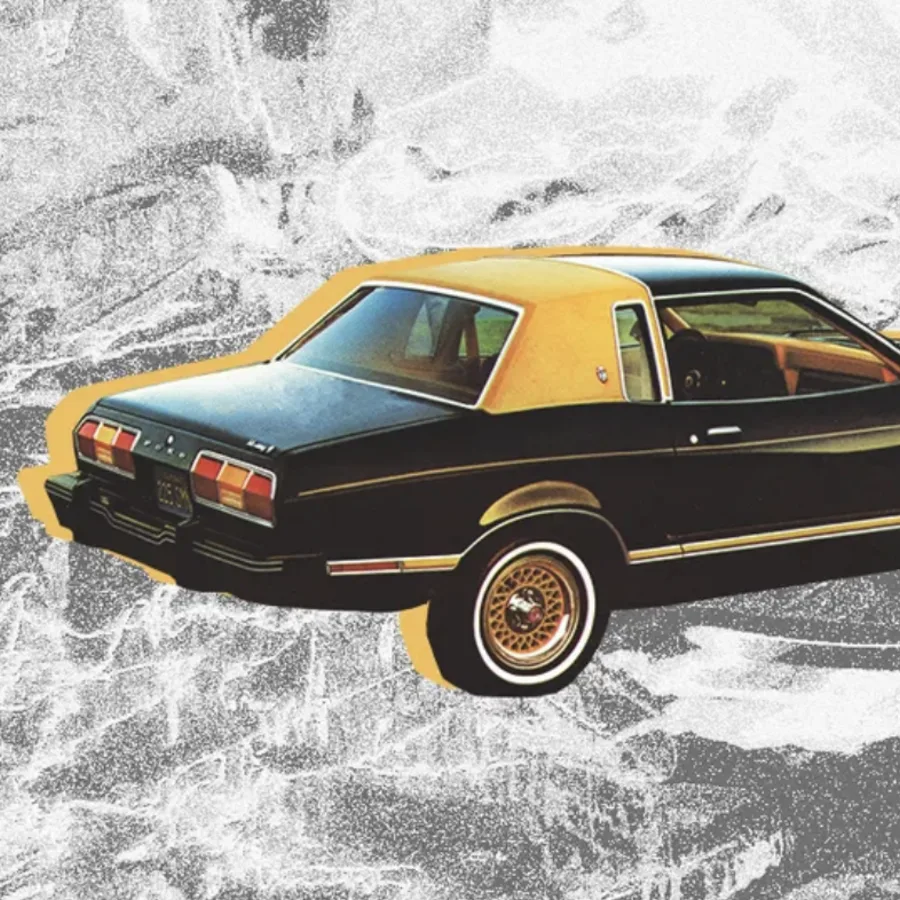
The automobile gave people something they could once only dream of: freedom from distance. There's no longer any need to live close to your workplace, a grocery store, or your favorite restaurant. You can live outside the city, work downtown, and spend your weekends heading to the beach, the mountains, or simply exploring unfamiliar roads in search of adventure.
Private transportation also created an enormous industry. Mechanics, drivers, delivery workers, taxi drivers, engineers, designers, factory workers, and auto repair specialists — millions of people owe their careers to the automobile.
Now let's take a look at the other side of the story.
The more cars appear on the roads, the less room there is for them to move freely. Cities are gradually turning into enormous parking lots, residential courtyards are filling up with vehicles, sidewalks are giving way to roads, and finding an available parking space sometimes feels like a competitive sport.
The irony is that a means of transportation designed to save us time regularly forces us to sit still for hours. In major cities, morning and evening rush-hour traffic can turn even a short journey into a serious test of patience.
There's also the environmental impact. Exhaust fumes, air pollution, engine noise, and constant traffic affect the quality of life of millions of people. Then there's the road accident toll: according to the World Health Organization, approximately 1.19 million people worldwide die in road traffic crashes every year.
It's a rather strange situation: we invented the car to reach our destinations faster, but built cities where walking is sometimes the easier option. And these days, we increasingly dream not of a more powerful engine, but of an open road.
2. Social Media and Messaging Apps: Always Connected, but Not Always Close
There was a time when talking to someone in another country meant arranging a phone call, finding a phone booth, or waiting for a letter. Today, all it takes is opening a messaging app to text a friend on the other side of the world, send a photo, record a voice message, or arrange a video call.
Communication has become faster, cheaper, and more accessible. Distance is no longer a major obstacle to staying in touch.
But along with this convenience, a strange habit has emerged: we've started expecting other people to be available all the time.
You send a message — why aren't they replying? They were online but didn't write back? They read your message and said nothing? Sound familiar? Even when someone is simply busy, we can come up with dozens of explanations and check our phones far more often than necessary.
Messaging apps have created the illusion of constant presence. These days, a delayed response can sometimes feel almost like a personal insult, even though just a few decades ago, nobody expected a friend to be ready for a conversation around the clock.
Social media has played its own curious trick on us. It allows us to stay in touch with hundreds of people, follow the lives of acquaintances, and find like-minded individuals anywhere in the world. But having a long contact list doesn't necessarily mean having meaningful relationships.
You can have a thousand friends on social media and still have nobody to go for a simple walk with. You can look at your acquaintances' photos every day and go months without finding the time to meet them in person.
In the end, technology designed to bring people closer sometimes creates even more distance between them. We've learned to send messages instantly, but we're increasingly putting off real conversations until later.
3. The Smartphone: The Whole World in Your Pocket, Constantly Distracting You
The modern smartphone is a genuine technological Swiss Army knife. Packed into one compact device are a phone, a camera, a video recorder, a GPS navigator, a music player, a clock, a gaming console, a calendar, a notebook, and dozens of other gadgets that we once had to buy separately.
We can use it to work, study, pay for purchases, order food, book tickets, and communicate with people. It almost seems as though modern life would grind to a halt without a smartphone.
However, there's a price to pay for all that versatility: our attention.
The phone has become the first thing we reach for when we wake up and the last thing we put down before going to sleep. The moment we have a few spare minutes, our hand automatically reaches for that familiar rectangle in our pocket.
Waiting in line at the store? Smartphone. Riding public transportation? Smartphone. Taking a break between work tasks? Of course, smartphone.
In the past, boredom was a perfectly normal part of life. You could simply look out the window, think about your plans, reflect on the day, or let your mind wander. Now, every spare moment can instantly be filled with videos, news, messages, or an endless stream of recommended content.
Another problem is the increasingly blurred line between work and personal life. Even after getting home, you're effectively still at work if messages keep coming in from colleagues, managers, or clients. Officially, the workday is over, but mentally, you're still available.
And here's the interesting part: smartphones don't necessarily steal a lot of our time all at once. They do it in small doses — a few minutes at a time, dozens of times a day. By the time evening arrives, you may not even remember what you spent all those hours doing.
4. Plastic Packaging: A Cheap Solution with a Very High Cost
Plastic has become one of the most important materials of modern civilization. It's lightweight, inexpensive, durable, and easy to manufacture and transport. Plastic packaging makes products easier to store, ship, and sell. It has helped make many goods more affordable and transformed the way we consume them.
At first glance, it seems like the perfect invention.
The problem begins once the packaging has served its purpose. A bottle, bag, or container may be used for just a few minutes, yet remain in the environment for decades or even centuries.
We've grown accustomed to treating disposable packaging as something practically free. You buy a drink, finish it, throw away the bottle, and forget about it. But for nature, that's far from the end of the story.
Plastic waste piles up in landfills, finds its way into rivers and oceans, pollutes the soil, and threatens wildlife. Over time, plastic breaks down into increasingly tiny particles, including microplastics, which are being detected in water, soil, food, and living organisms.
The scale of the problem is striking: according to estimates by the Organisation for Economic Co-operation and Development, only a small share of plastic waste is recycled worldwide. A significant amount ends up in landfills, is incinerated, or escapes into the environment.
The situation is especially obvious in tourist destinations. Just yesterday, there was a clean beach, crystal-clear water, and a beautiful landscape. Today, after a wave of holidaymakers has passed through, plastic bags, cups, bottles, and other rubbish are left behind.
Plastic has made packaging cheap for manufacturers and convenient for consumers. But the real price of that convenience is often paid not by the people who enjoy it, but by the environment and future generations.
5. Bank Cards and Cashless Payments: Shopping Is Easier, but Keeping Track of Spending Is Harder
There was a time when going shopping began with a simple ritual: checking your wallet, making sure you had enough money, and taking it with you. Today, everything is much easier. A bank card or smartphone is all you need to pay almost anywhere.
Cashless payments have made shopping faster, more convenient, and safer. There's no need to carry large amounts of cash, look for smaller bills, or worry about accidentally losing your wallet. You can also transfer money to someone instantly or pay for something online.
But there's a psychological catch: when money exists only as numbers on a screen, spending it becomes much easier.
Paying with cash creates a tangible sense of spending. You can see the amount in your wallet shrinking and physically appreciate how much money you're handing over. With a cashless payment, that moment is almost invisible. Tap your card, press a button — and the purchase is already yours.
Now add online stores, saved payment details, one-click purchases, recurring subscriptions, and personalized recommendations. Everything is designed to remove as many obstacles as possible between wanting something and actually buying it.
You spot something interesting — you order it. You remember you need new headphones — you add them to your cart. You come across a discount — why not take advantage of it? Each individual purchase may seem insignificant, but by the end of the month, the total can come as an unpleasant surprise.
Credit limits, installment plans, and consumer loans are another story. They can genuinely be useful when you need to make a major purchase or deal with an unexpected situation. But the ease of getting credit can tempt people to spend money they haven't actually earned yet.
Gradually, this can lead to the dangerous habit of living beyond your means. And one day, you may realize that a significant portion of your salary is no longer going toward living your life, but toward paying off purchases you made in the past.