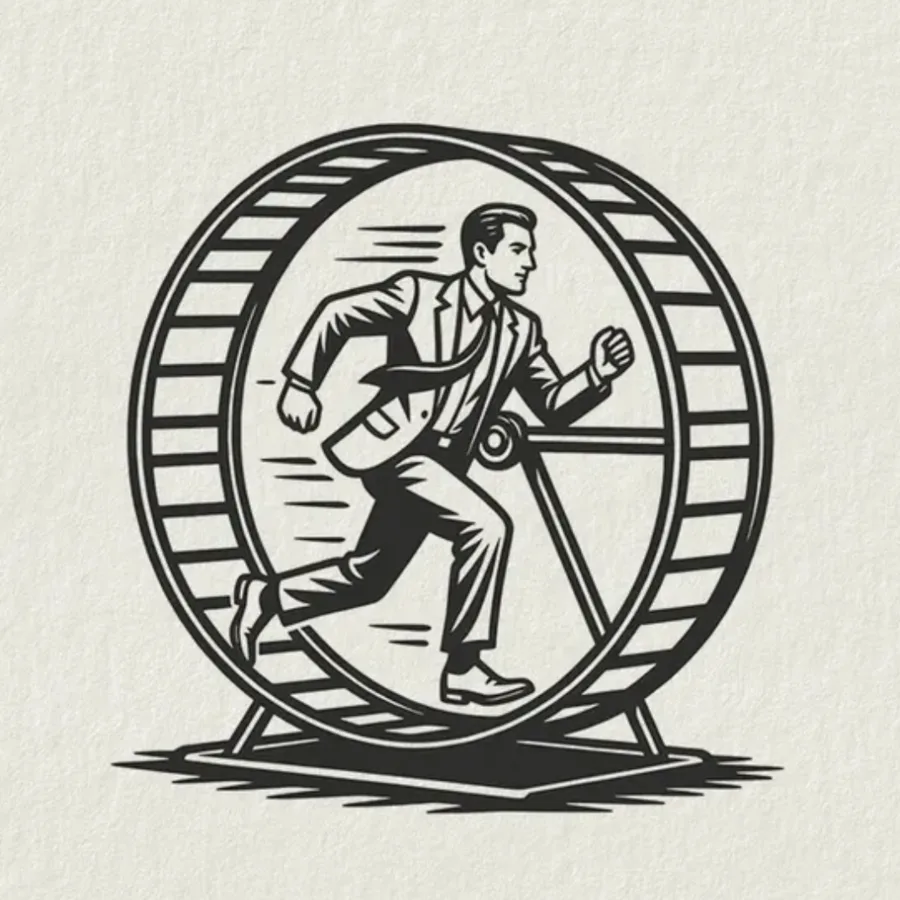
Being great at your job is no longer enough. In today’s workplace, promotions go not only to people who consistently deliver excellent results, but also to those who earn trust, command respect, and are easy to work with.
The surprising part is that careers are often held back not by professional mistakes, but by communication habits. One unhealthy communication pattern can keep you stuck in the same position for years, even if you work harder than everyone else.
If you want to climb the career ladder faster, land more exciting projects, and earn more money, it’s time to get rid of these ten mistakes.
Staying silent about problems and hoping they’ll disappear
Many men believe a good employee is someone who never brings up problems. So they stay quiet when they notice risks or mistakes.
That’s one of the most dangerous strategies you can have.
If a deadline is slipping, a client is unhappy, or a project is heading in the wrong direction, managers value the person who raises concerns early far more than the person who silently watches things fall apart.
A true professional doesn’t hide problems — he brings them forward together with a possible solution.
Looking for someone to blame instead of looking for a solution
Phrases like “That’s not my responsibility” or “Nobody told me” may be completely true.
But they rarely help your professional reputation.
Leadership starts with one question: “What can I do to improve this situation?” That mindset is exactly what good managers notice.
Working only when someone gives you instructions
If you always wait for detailed directions, you’ll always remain an executor.
The people who get promoted are the ones who:
- identify problems on their own;
- suggest solutions;
- work confidently without constant supervision.
Taking initiative doesn’t mean doing someone else’s job. It means thinking beyond your job description.
Being afraid to ask questions
Many people stay quiet because they don’t want to look inexperienced.
The result?
- They misunderstand the task.
- They waste hours on unnecessary work.
- They make avoidable mistakes because expectations weren’t clear.
One smart question at the beginning can save dozens of hours later.
Asking questions isn’t a weakness — it’s a sign of responsibility.
Taking every piece of feedback personally
No one enjoys criticism.
But there’s a huge difference between criticism of who you are and feedback about the work you’ve done.
If every comment makes you defensive or offended, your growth slows down.
Strong professionals know how to listen to uncomfortable feedback and turn it into a tool for improvement.
Trying to be the “nice guy” for everyone
Wanting everyone to like you is a trap.
You say yes to every request, work overtime, take on other people’s responsibilities, and sacrifice your weekends.
At first, it feels like the path to promotion.
In reality, it’s often the fastest path to burnout.
Managers value people who honestly assess their workload and consistently deliver results much more than people who never say “no.”
Not understanding how your work impacts the company
If you only focus on your own task list, your thinking stays limited.
Ask yourself:
Why does my role exist?
How does my work help other teams?
What changes if I complete this task faster or better?
Once you start seeing the bigger picture, you begin generating ideas that create real business value.
Not building strong relationships within your team
Careers are built through people.
Even if you’re an introvert who prefers working independently, basic communication is essential.
You don’t have to become best friends with everyone in the office or attend every company event.
Simple habits are enough:
- keep your promises;
- reply on time;
- be polite;
- respect other people’s time.
Those are the people everyone wants to work with again.
Keeping your achievements to yourself
There’s a common myth that great work always gets noticed.
In reality, it often doesn’t.
Your manager doesn’t see every hour you spend working. They only see results when those results are communicated.
This isn’t about bragging.
It’s about sharing facts:
- what you accomplished;
- what results you achieved;
- what changed because of your work.
That’s professional communication, not self-promotion.
Letting emotions control your decisions
Unrealistic deadlines, harsh criticism, and conflicts between departments will test your patience on a regular basis.
Those moments are exactly when your professional reputation is built.
If you raise your voice, react impulsively, or immediately become defensive, people will remember your reaction more than the problem itself.
Instead, pause and ask yourself one simple question:
“What decision is most helpful right now for me and for the team?”
Staying calm under pressure is one of the most valuable qualities of a man who wants to become a leader.