Until recently, tattoos were associated with two things: the desire to leave an important symbol on your skin and the willingness to endure pain to achieve the desired result. For some people, the pain was an essential part of the ritual, while for others it was the main reason they never dared to get their first tattoo.
However, this dilemma may soon become a thing of the past. In the United Kingdom, a technology has been introduced that is already being called the world’s first painless tattoo application system. Although it is unlikely to replace traditional tattoo studios, the innovation has given the entire industry a serious reason to rethink its future.
Not a Tattoo Machine, but a Patch
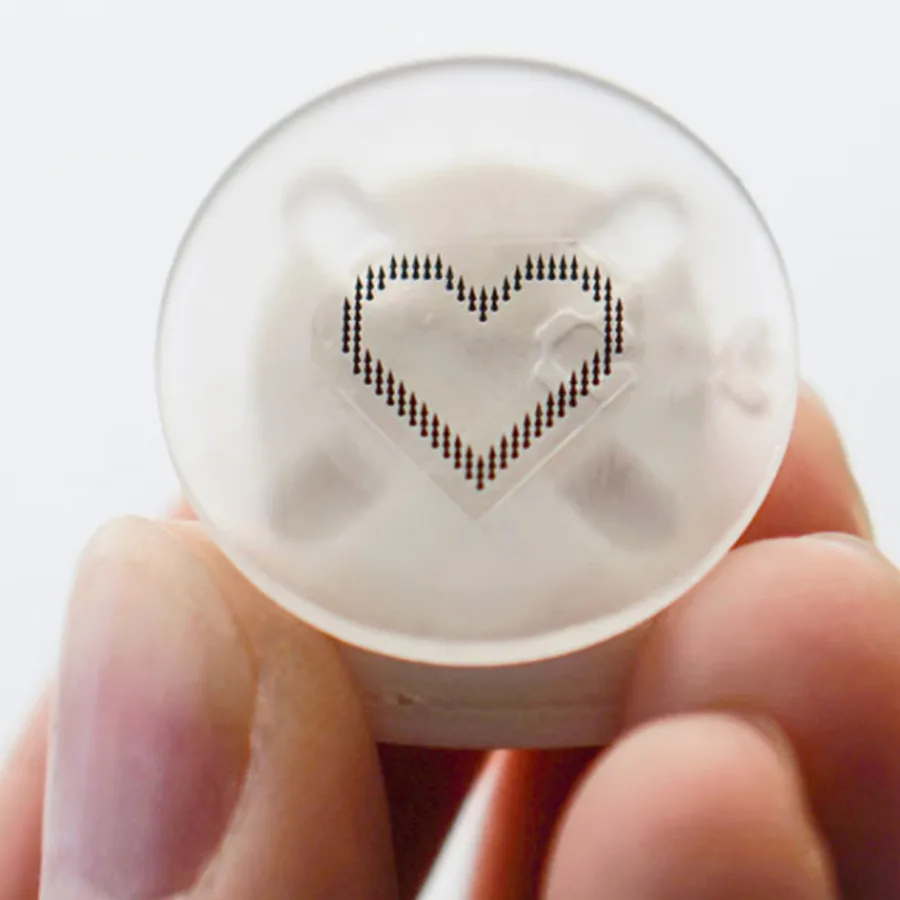
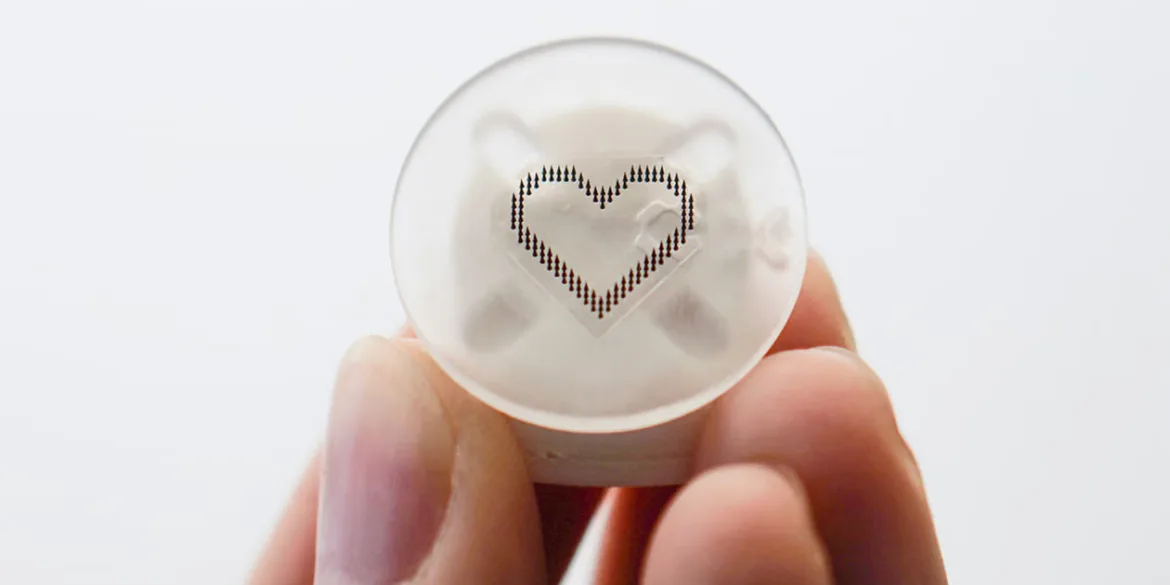
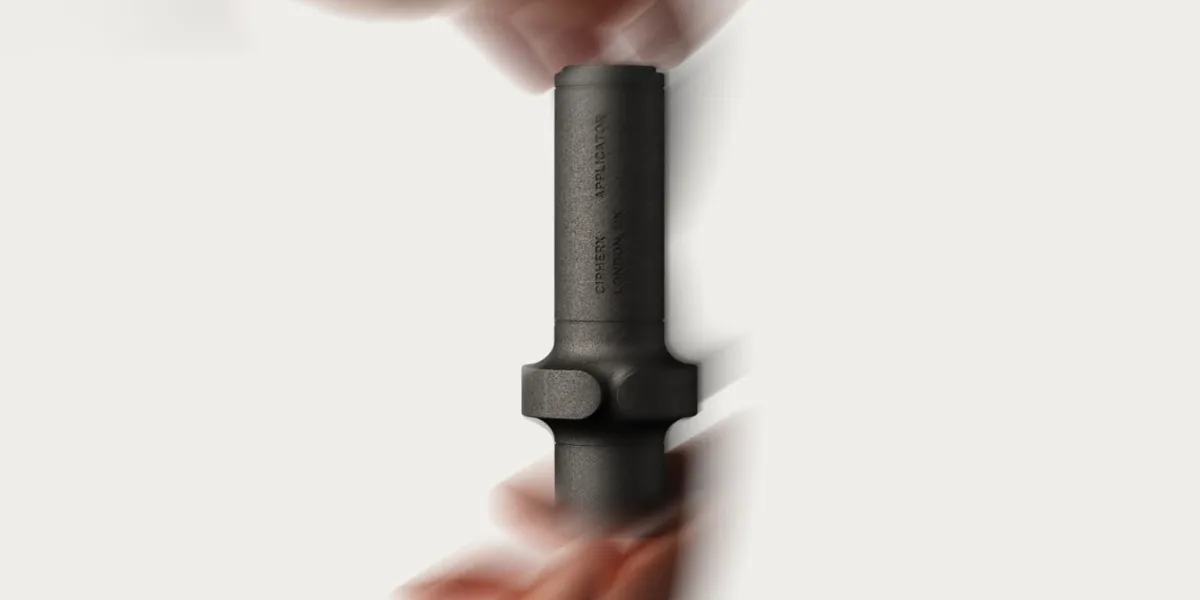
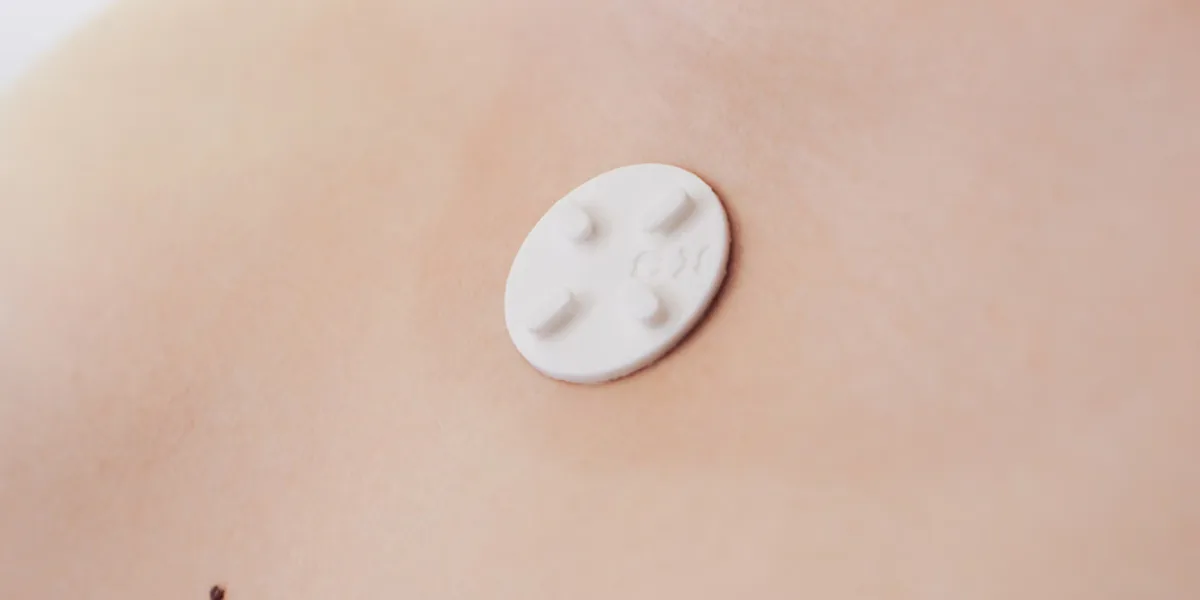
Instead of the familiar tattoo machine, the new system uses a special patch containing micro-needles filled with pigment. Using a compact applicator, the patch is pressed firmly against the skin and remains in place for around 10–15 minutes.
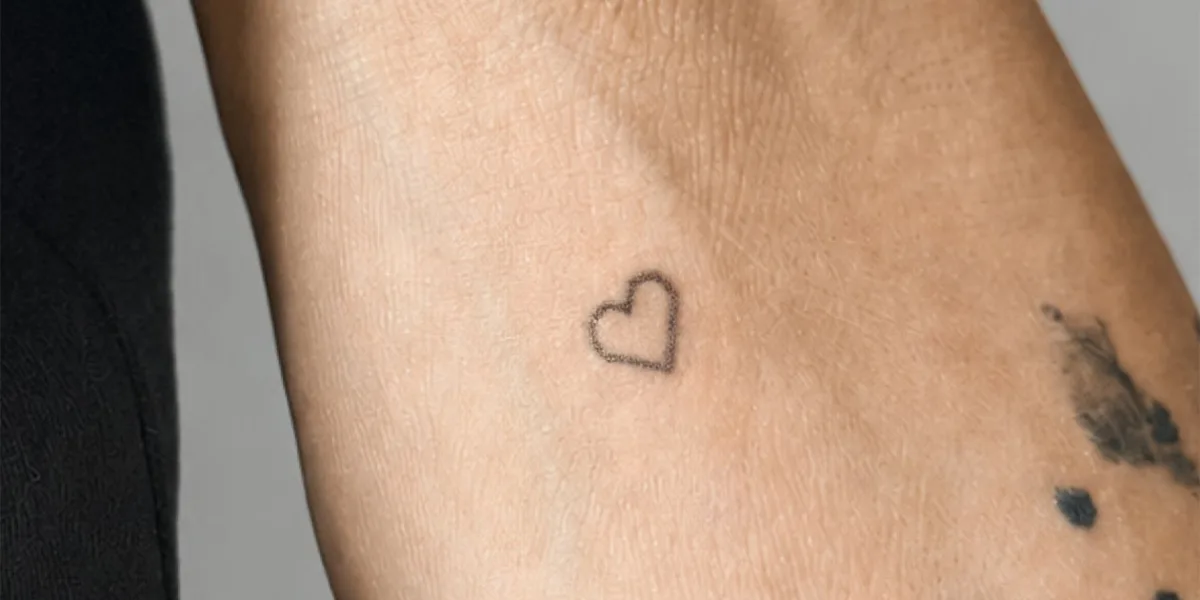
During this time, the microscopic needles gradually dissolve, delivering the pigment into the upper layers of the skin. Immediately after removing the patch, the image appears quite pale, but over the following days the pigment fully develops and the design takes on its final appearance.
The most impressive part is that the person experiences almost no pain, as the process is completely different from traditional tattooing, which involves hundreds of needle punctures into the skin.
An Idea Born from Fear
The irony is that this revolutionary technology was created by someone who personally dislikes blood and needles.
Ferdinand Kohlé, founder of the British startup CipherX, previously worked in the fields of design and pharmaceuticals. His own fear became the motivation to explore micro-needle technology, which has already been widely used in cosmetics to deliver active ingredients into the skin.
What began as a personal curiosity gradually transformed into a large-scale engineering project combining modern materials, medical research, design, and advanced manufacturing technologies.
Less Hassle After the Procedure
Another major advantage of the new method is the much simpler aftercare process.
After a traditional tattoo, people usually need to change bandages regularly, apply special creams, and carefully monitor the healing process. With this new technology, everything becomes much easier.
All that is required is keeping the treated area clean during the first 24 hours and avoiding intense workouts, saunas, and hot baths for a few days. No complicated procedures or lengthy recovery period are necessary.
No Large-Scale Masterpieces Yet
However, it is still too early to expect painless tattoo sleeves or huge artistic compositions created with this technology.
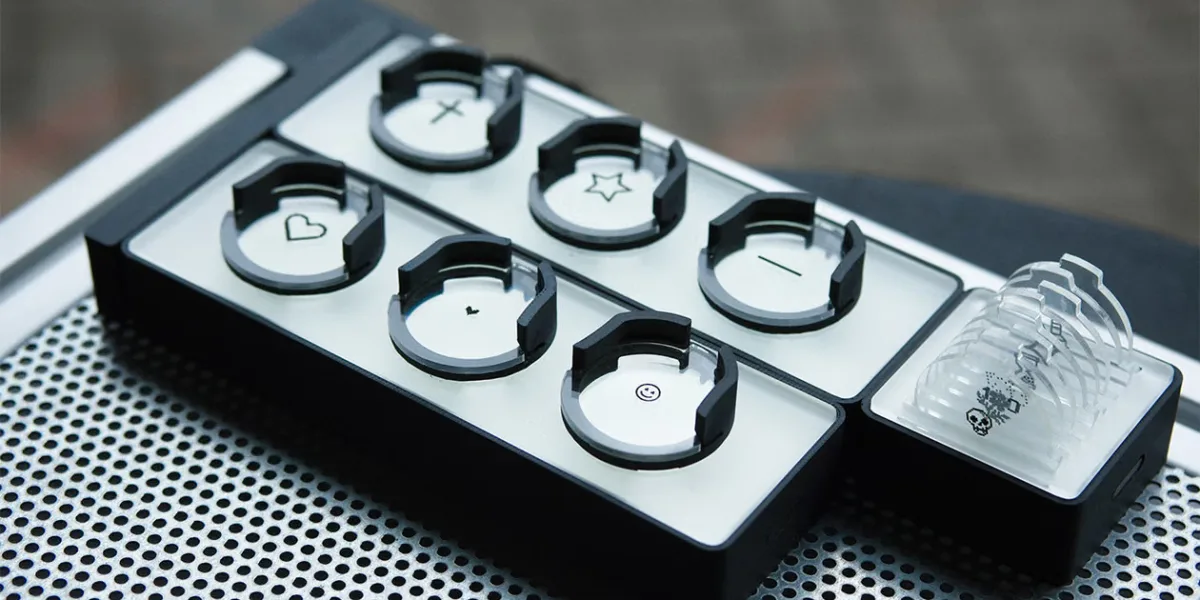
The system is designed for small symbolic designs. Customers can currently choose from ready-made sketches, ranging from simple smiley faces to unusual minimalist illustrations. Interestingly, one of the most popular options has already become... the image of an ordinary chair.
In the future, the company plans to collaborate with professional tattoo artists, but even then the technology will remain focused mainly on compact designs rather than large-scale artistic projects.
The Future Could Be Even More Exciting
The most ambitious possibilities of this development go far beyond aesthetics.
Engineers are already exploring the potential of next-generation medical tattoos. Imagine a tattoo that changes color depending on body temperature, ultraviolet radiation levels, or other physiological indicators. Such technology could become a completely new way to monitor health without the need for complex medical devices.
For now, it sounds like something from a science-fiction movie, but just a few years ago, the idea of a completely painless tattoo also seemed impossible.